
How To
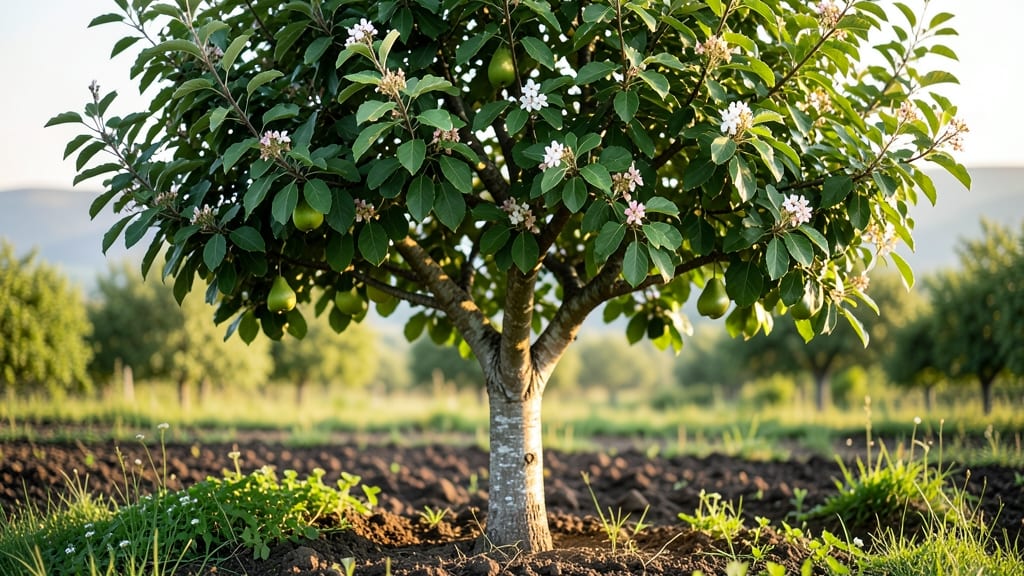
A pear tree’s mature height can vary dramatically—how tall does a pear tree grow?—from a compact 8 feet to towering 50 feet, depending on the variety and growing conditions you choose.
Picture this: a Bartlett pear tree stretching toward your roof, while a Patten dwarf stays neatly at waist height—both producing the same sweet fruit. The difference? Rootstock, pruning, and a little patience.
If you’re working with limited space, dwarf varieties are the game-changer, fitting containers or small yards. But even standard trees can be managed with smart pruning to keep them in check.
Below, we’ll break down the exact heights by variety, the factors that influence growth, and how to pick the perfect pear tree for your space.
Whether you’re dreaming of a backyard orchard or a single tree in a pot, knowing how tall your pear tree will grow is the first step to a successful harvest.

Pear tree height by variety: dwarf to standard sizes explained
When planning your orchard or backyard fruit garden, understanding pear tree height is crucial. The size of your tree isn’t just about aesthetics—it determines your harvest accessibility, pruning needs, and even the rootstock you’ll need to select.
Dwarf varieties can stay as short as 8 feet, while standard trees may reach 50 feet or more, making them unsuitable for small yards.
Most home gardeners choose between three height categories: dwarf, semi-dwarf, and standard. Each category offers different benefits, from space-saving dwarfs to prolific fruit production from standard trees. The key to controlling size lies in the rootstock—the underlying tree onto which the desired variety is grafted.
For example, a 'Patten' pear grafted onto Quince A rootstock will stay compact, while the same variety on seedling rootstock could grow twice as tall.
Below, we’ve organized popular pear tree varieties by their mature height, including their ideal spacing and rootstock recommendations. This comparison will help you visualize which size fits your space and gardening goals.