
How To
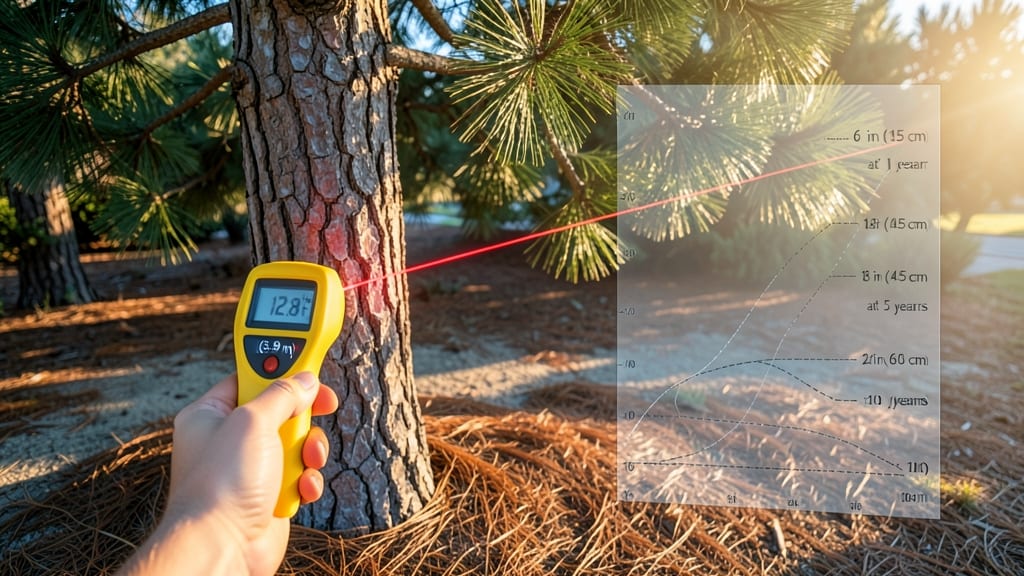
A pine tree’s how tall does a pine tree grow per year can turn a small sapling into a towering giant in just a few years—but how fast depends on the species, soil, and care you provide.
Picture this: You plant a 3-foot pine tree in your yard, and within a decade, it’s blocking sunlight for your entire neighborhood. That’s the power of fast-growing varieties like the Lodgepole Pine, which can shoot up 3 feet per year under ideal conditions.
But not all pines grow that quickly—some barely budge beyond a foot annually. If you’re planning a privacy screen or a future timber source, knowing these growth patterns is your secret weapon.
Growth rates aren’t just about species, though. Soil drainage, sunlight exposure, and even your watering habits can double—or halve—how much your 🌲 pine tree grows each year.
In this guide, I’ll break down the fastest-growing pines, how to estimate your tree’s potential, and the common mistakes that stall growth before it even starts.
Ready to turn your backyard into a forest? Let’s dive into the numbers, care tips, and species breakdown so you can pick the perfect pine—and watch it reach for the sky.

Fastest-growing pine tree species and their annual height increases
If you're dreaming of a towering pine tree that grows faster than your neighbor's bamboo, you're in the right place. Some pine species can grow 3 feet per year or more under ideal conditions, making them perfect for privacy screens or quick shade solutions.
However, not all pines grow at the same speed—some barely reach 6 inches annually. The key is choosing the right species for your climate and soil type, then providing the optimal growing conditions.
Before you rush to the nursery, though, it's crucial to understand that nursery growth claims can sometimes be exaggerated. A 5-foot-per-year label might only apply to perfect conditions, while your backyard might yield half that growth.
I'll break down the fastest-growing pine species, their documented growth rates, and how to verify what nurseries promise so you can set realistic expectations for your landscape.
Comparison Table: Fastest-Growing Pine Tree Species
| Species | Annual Growth Rate (ft) | Mature Height (ft) | Ideal Climate Zones | Notes |
|---|---|---|---|---|
| Slash Pine | 2.5–4 | 60–100 | 6–10 | Fastest-growing pine; thrives in sandy soils |
| Lodgepole Pine | 2–3.5 | 50–100 | 2–7 | Cold-hardy; grows well in poor soils |
| Ponderosa Pine | 1.5–3 | 100–200 | 4–9 | Slow start but fast later; drought-tolerant |
| Eastern White Pine | 1–2.5 | 50–80 | 3–8 | Adaptable; good for urban areas |
| Virginia Pine | 0.5–1.5 | 40–60 | 5–9 | Slow but long-lived; great for erosion control |
| Scots Pine | 1–2 | 50–80 | 2–7 | Cold-resistant; good for windbreaks |
| Jack Pine | 0.75–1.5 | 40–60 | 2–6 | Slow but fire-resistant; thrives in poor soils |
| Shortleaf Pine | 1–2 | 60–80 | 6–9 | Moderate growth; drought-tolerant |
| Pinyon Pine | 0.25–0.75 | 10–30 | 5–9 | Slowest-growing; great for small spaces |
| Loblolly Pine | 2–3.5 | 70–100 | 7–10 | Fast-growing; popular for timber |
The Slash Pine and Lodge
How to estimate your pine tree’s annual growth rate before planting
Nursery tags often promise 3 feet of growth per year for pine trees, but real-world conditions can slash that number by 50%. To avoid overestimating your tree's future height, I’ll show you how to adjust those growth rates using soil quality, sunlight exposure, and your local climate.
Even fast-growing species like Lodgepole Pine may only reach 1.5 feet/year in poor conditions.
Start by checking your USDA hardiness zone—growth rates drop by 20-30% in colder zones (e.g., Zone 4 vs. Zone 8). For example, a Ponderosa Pine might grow 2 feet/year in Zone 7 but only 1 foot/year in Zone 5.
Use the table below to tweak nursery estimates based on your specific conditions.
For example, if a nursery claims a Slash Pine grows 3 feet/year but your Zone 6 garden has clay soil and only 5 hours of sun, adjust the rate to 1.5 feet/year.
Multiply the nursery’s estimate by 0.7 (30% reduction for zone) × 0.6 (40% reduction for sunlight) = 1.08 feet, then round down.
Test your soil drainage first—dig a 1-foot hole and fill it with water. If it drains in <2 hours, your soil is ideal. If it pools for hours, amend with sand or compost before planting. Poor drainage can reduce growth by up to 50%, even for drought-tolerant species like Pinyon Pine.
Pro tip: Use a growth multiplier chart from your state’s extension service (e.g., University of California or Penn State) for local adjustments. For instance, Virginia Pine in Florida may grow 2.5 feet/year, but the same species in Maine might only reach 1 foot/year.
Finally, account for first-year shock. Young pine trees often grow only 50% of their expected rate in their first year. Plan for slower initial growth, especially if transplanting from a nursery container—root-bound trees struggle to establish.