
How To
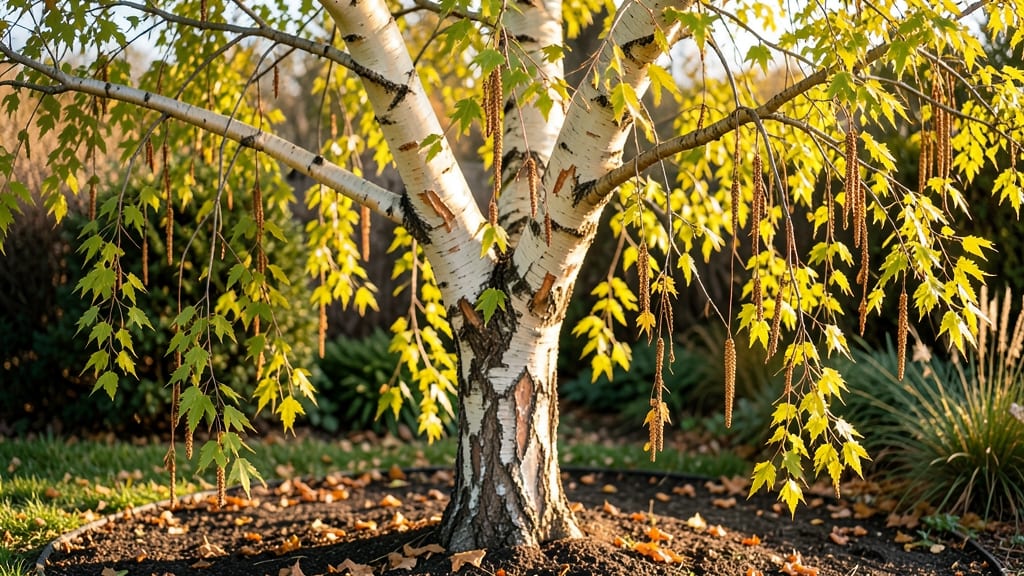
River birch tree height by variety: mature size ranges and growth rates
The river birch tree (Betula nigra) is a landscape favorite, known for its striking peeling bark and adaptability to wet soils. But if you're planning your yard layout, knowing how tall it grows is crucial.
On average, river birches reach 30 to 40 feet at maturity, but varieties like 'Heritage' or 'White Frost' may stay slightly shorter. Their growth rate is moderate, adding about 12 to 24 inches per year under ideal conditions.
Unlike other birch species like the paper birch, which can grow even taller, river birches offer a more manageable size with a spreading canopy of 30 to 50 feet. This makes them perfect for large gardens, ponds, or as a focal point near water features.
Their height and form also provide excellent shade and wildlife habitat, making them a multi-functional choice for outdoor spaces.
Soil conditions play a huge role in determining how tall your river birch grows. These trees thrive in moist, well-drained soil, especially near water sources. In USDA zones 5 through 9, they grow best with consistent moisture, though they tolerate brief dry spells once established.
For optimal growth, amend clay or sandy soils with compost to improve water retention and nutrient availability.
Climate also affects height. In warmer zones (7-9), river birches grow faster due to longer growing seasons, while in cooler zones (5-6), their growth may slow slightly. However, they remain hardy and adaptable.
If you're in a drought-prone area, mulching around the base helps retain moisture and encourages steady growth toward their full mature height.
When comparing river birch to other birch species, it’s clear why it’s a favorite. While paper birch can reach 50-75 feet, river birch offers a more manageable size with better urban adaptability.
Their exfoliating bark and golden fall foliage also make them stand out in landscapes where other trees might struggle with waterlogged soil.
If you're concerned about height, choose a dwarf variety
How to maximize or control river birch tree height through pruning and care
The river birch tree (Betula nigra) is a stunning landscape feature, but its height can vary dramatically based on your care approach. Whether you want to encourage its natural 30-40 foot stature or keep it compact, strategic pruning and soil management are key.
The secret lies in understanding when and how to prune, along with optimizing growing conditions for your specific goals.
For maximizing height, focus on creating ideal growing conditions—rich, moist soil and full sun—while avoiding heavy pruning that could stunt vertical growth. If you're working with a small yard, however, you'll need a different approach to control its size without sacrificing its beauty.
Let's explore the techniques that work best for each scenario.
⚠️ River Birch Height Reality Check
Mature river birch trees typically reach 30-40 feet tall, but their growth rate and final height depend on soil quality, water availability, and pruning habits. In poor soil or with heavy pruning, they may only reach 20-25 feet. For compact varieties like 'Fastigiata,' expect 20-30 feet max—never assume dwarf labels mean under 20 feet!
To maximize height, prune only when necessary—focus on removing dead or diseased branches in late winter or early spring. Avoid cutting back more than 25% of the canopy at once, as this can slow vertical growth.
Instead, let the tree grow naturally and shape it lightly to maintain an open, airy form that encourages upward energy.
For controlling height, prune in late winter before new growth begins. Cut back 1/3 of the tallest branches each year to redirect energy toward lateral growth. This method works best for young trees—once they reach maturity, height control becomes much harder.
Always use clean, sharp tools and sterilize them with rubbing alcohol to prevent disease.
Soil management plays a critical role in height control. River birches thrive in moist, well-draining soil with a pH of 5.0-7.0. For compact growth, amend heavy clay soil with organic matter like compost or peat moss.
Avoid over-fertilizing with nitrogen, which can spur excessive vertical growth. Instead, use a balanced 10-10-10 fertilizer in early spring.
Watering habits also influence height. Young trees need deep watering weekly during their first two years, while established trees tolerate drought better. Water deeply in the morning to reduce fungal risks, and mulch around the base with 3-4 inches of wood chips to retain moisture and regulate soil temperature.
Common mistakes that stunt growth include over-pruning, using dull tools that tear bark, and planting in compacted or waterlogged soil. Never top a river birch—this practice creates unsightly stubs and encourages weak, disease-prone growth. Instead, focus on selective pruning and proper site preparation for the best results.