
How To
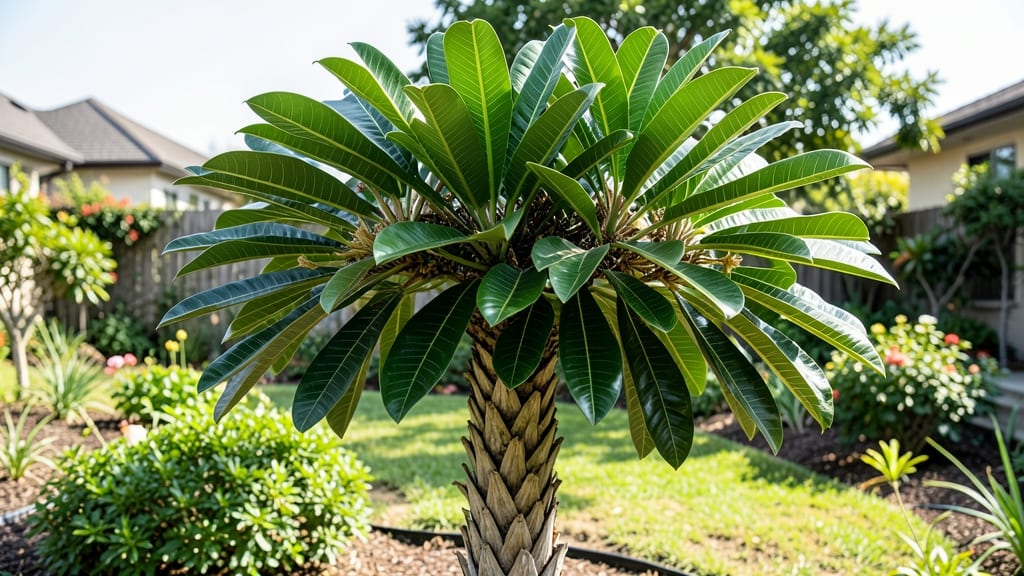
A money tree 💰 typically grows between 3 and 10 feet tall indoors, but its height depends entirely on how you care for it—and whether you're willing to prune.
Picture this: your Money Tree stretching toward the ceiling, its braided trunk becoming a statement piece in your living room. But here’s the catch—without the right light, soil, or pruning routine, it might stay a stubborn 3-foot shrub instead.
The difference between a ceiling-high giant and a compact accent plant often comes down to one key factor you might be overlooking.
Indoor Money Trees rarely reach their outdoor potential (where they can hit 15–20 feet in tropical climates), but with bright, indirect light and a little strategic trimming, you can coax it into the 6–10-foot range—or keep it petite for shelves and tables.
Below, I’ll break down exactly how to control its growth, from pot size to pruning secrets, so you get the height (or compactness) you want.
Ready to turn your Money Tree into a statement piece—or a manageable houseplant? Let’s dive into the factors that shape its height and how to guide it toward your ideal size.

Money tree height limits: how tall can it grow indoors?
Your money tree (Pachira aquatica) has a natural indoor height range of 3 to 10 feet, but achieving that ceiling-height potential depends entirely on your care routine.
Unlike its outdoor cousins that can soar to 15–20 feet in tropical climates, indoor money trees grow slower due to limited light and controlled environments. The good news?
With the right approach, you can guide its growth to match your space—whether that's a compact tabletop plant or a statement-room tree.
Most money trees sold as houseplants start as 1–2 foot seedlings and reach maturity between 3–6 years indoors. However, their final height isn't set in stone—it's shaped by factors like light exposure, pruning habits, and pot size.
For example, a money tree in a small pot with bright indirect light might max out at 4 feet, while the same plant in a large container with optimal care could easily hit 8–10 feet.
| Growth Stage | Indoor Height Range | Average Growth Rate | Key Care Factors |
|---|---|---|---|
| Year 1 | 1–2 ft | 6–12 inches | Bright light, weekly watering |
| Year 2 | 2–4 ft | 12–24 inches | Prune for shape, upgrade pot |
| Year 3+ | 3–6 ft (mature) | 6–12 inches/year | High humidity, seasonal feeding |
| Max Indoor Height | 6–10 ft | N/A (varies by care) | Ideal light, minimal pruning |
If you're aiming for a taller money tree, focus on these three critical elements: light placement, pot size, and minimal pruning. A money tree in a 12-inch pot with east-facing window light will grow 20–30% taller than one in a 6-inch pot with low light.
The key is to avoid over-potting—root-bound plants grow faster vertically until they reach their genetic height limit.
For a shorter, bushier money tree, adopt the opposite approach: heavy pruning every 3–4 months and regular pinching of new growth. This encourages lateral branches and keeps the plant compact.
Many gardeners use this technique to create money tree bonsai-style plants that stay under 3 feet while maintaining a full, lush appearance.
One common misconception is that money trees grow slowly by nature. In reality, they can add 6–12 inches per year indoors with ideal conditions. The slowest growth typically occurs in winter months when natural light decreases.
To counteract this, supplement with a grow light for 4–6 hours daily during short-day seasons—this can boost growth by up to 40%.
Pro tip: Track your money tree's growth by marking the stem height on a measuring tape attached to the pot. Record measurements every 3 months to spot trends.
For example, if your plant grows only 2 inches in summer but 8 inches in spring, you'll know to adjust light or humidity during slower seasons.
Remember, a money tree's height isn't just about aesthetics—it reflects its overall health. A stunted money tree (under 3 feet) often signals low light or poor drainage, while a lanky one (over 6 feet) may need more pruning or larger leaves.
Balance is key to achieving that perfect 4–6 foot mature size most gardeners desire.
5 Key factors that control money tree growth height
Your money tree (Pachira aquatica) doesn't grow toward the ceiling by accident—its height is directly controlled by five key factors. Understanding these will help you manage its growth for a balanced, thriving plant that fits your space.
Let's explore how each factor influences vertical growth and what you can do to guide it.
First, light exposure is the most critical factor. Money trees thrive in bright, indirect light (6-8 hours daily), which fuels steady upward growth. Too little light slows growth, while too much direct sun can scorch leaves, stunting overall development.
Place your plant near an east or west-facing window for ideal conditions.
Here’s how these five factors directly impact your money tree’s height:
- 1 Light Exposure: 6-8 hours of bright indirect light fuels vertical growth. Low light reduces height by 30-50%.
- 2 Pruning Techniques: Pinching back new growth encourages bushier growth, reducing height by 20-40% if done regularly.
- 3 Pot Size: Root-bound plants grow taller faster. Upgrading pots by 2-3 inches can increase height by 1-2 feet/year.
- 4 Humidity Levels: 40-60% humidity supports healthy growth. Dry air slows height growth by 15-30%.
- 5 Seasonal Changes: Growth peaks in spring and summer (up to 6 inches/month) and slows in fall and winter.
Next, pruning techniques play a pivotal role. Regularly pinching back new growth at the tips encourages lateral branches to form, reducing overall height while creating a fuller shape. For a taller money tree, avoid heavy pruning—focus on shaping rather than trimming.
Use clean, sharp scissors to make cuts just above a leaf node for the best results.
Don’t overlook the importance of pot size. Money trees grow faster when slightly root-bound, but overly crowded roots can stress the plant. Choose a pot that’s 2-3 inches larger in diameter than the current one to support steady vertical growth.
Terracotta pots with drainage holes are ideal for preventing root rot, which can stunt growth.
Humidity levels also impact how tall your money tree grows. These tropical plants thrive in 40-60% humidity, mimicking their natural rainforest environment. Low humidity causes slower growth and brown leaf tips.
Use a humidifier or place the pot on a pebble tray with water to maintain optimal moisture levels in the air.
Finally, seasonal changes dictate growth spurts. Your money tree will grow most rapidly during spring and summer, adding up to 6 inches per month with ideal care. In fall and winter, growth slows dramatically, often halting completely.
Adjust your care routine to support seasonal shifts—reduce watering slightly in winter but keep the soil lightly moist to avoid dormancy-related stress.