
Leaf Blower
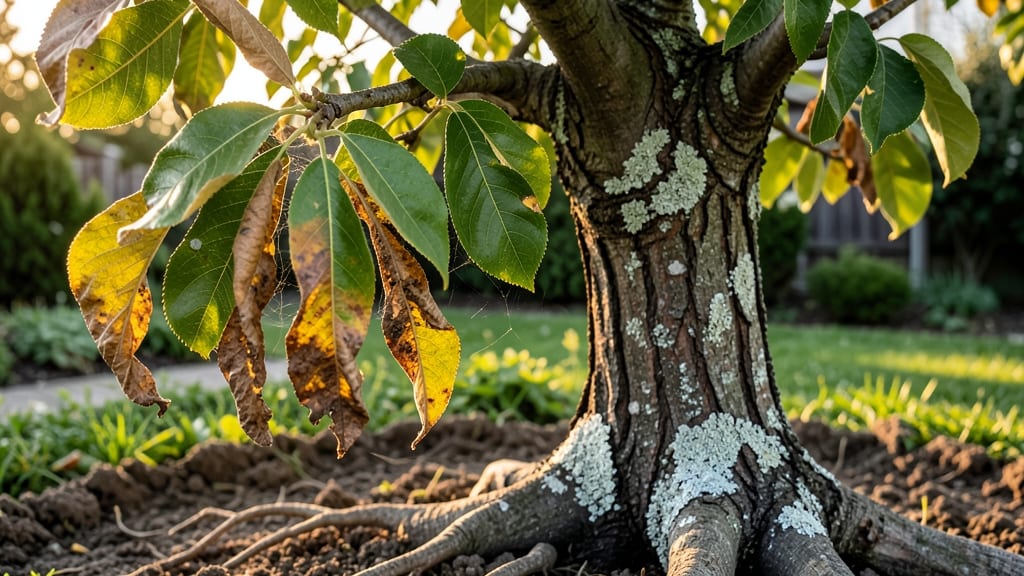
Your peach tree’s leaf wilt might signal trouble—but there’s still time to turn things around. 🌿 I’ve nursed back more wilted peach trees than I’d like to admit, and the fix often comes down to a few targeted steps that address the real cause, whether it’s fungal pressure, drought stress, or hidden pests.
First, diagnose the problem: check for yellow spots (bacterial leaf spot), sticky residue (aphids), or dry soil (underwatering). Most wilt isn’t just "stress"—it’s a specific issue begging for a solution.
I’ll walk you through quick tests to narrow it down in under 10 minutes, so you’re not guessing with expensive treatments.
The good news? Even severely wilted trees can bounce back with the right care. We’re talking deep watering routines, organic sprays (like neem oil), and pruning to improve airflow—all methods that work without harsh chemicals. By the end of 2 weeks, you’ll see new growth pushing through.
This approach works for both young trees and mature ones, whether your peach tree is in a home garden or a small orchard. Let’s get your tree back to its vibrant, fruiting self—no panic required.
Root Causes Of Leaf Drooping
Understanding why your peach tree’s leaves are wilting starts with identifying the primary stressors disrupting its health. Each cause triggers a different response in the tree, from nutrient starvation to cellular damage.
Below, we break down the most common culprits—and why they happen—so you can pinpoint the issue and act fast.
---
Peach trees are sensitive to moisture imbalances, and both overwatering and drought can cause wilting leaves. Here’s how it works:
- Underwatering (Drought Stress): - When soil moisture drops below 30-40%, roots struggle to absorb water, leading to wilting as leaves lose turgor pressure (the internal water pressure that keeps them firm). - Symptoms: Leaves curl, edges brown, and droop even in the morning (not just evening). - Why it happens: - Shallow root systems (common in young trees) can’t reach deep water. - Clay or compacted soil prevents water penetration. - Lack of mulch accelerates evaporation.
- Overwatering (Root Suffocation): - Waterlogged roots can’t breathe—oxygen depletion forces them to stop absorbing nutrients, causing wilting. - Symptoms: Yellowing leaves, soggy soil, and wilting that worsens after rain. - Why it happens: - Poor drainage (e.g., planting in a low spot or heavy clay). - Excessive irrigation (e.g., sprinklers running too long). - Fungal infections (like Phytophthora) thrive in wet roots, blocking water uptake.
💡 Pro Tip: Stick your finger 2-3 inches into the soil—if it’s dry, water deeply. If it’s muddy, hold off until it drains.
---
Peach trees are hardy but not heat- or cold-resistant—sudden temperature swings disrupt their photosynthesis and transpiration (water movement through leaves).
- Heat Stress (Wilting in Hot Weather): - Temperatures above 90°F (32°C) cause stomata (leaf pores) to close to prevent water loss, but this stops nutrient transport, leading to wilting. - Symptoms: Leaves droop midday but recover at night (unless severe). - Why it happens: - Lack of shade exposes trees to direct sun. - Windburn increases water loss (transpiration spikes). - Poor soil moisture worsens the effect.
- Cold Stress (Winter or Late-Freeze Damage): - Frost below 28°F (-2°C) damages cell membranes, causing water leakage and wilting. - Symptoms: Leaves turn brown or black, then wilt; buds may die if frozen. - Why it happens: - Late spring frosts after buds swell (peach trees bloom early). - Poor winter mulching leaves roots exposed to freezing temps. - Wind chill accelerates damage in young trees.
✨ Quick Fix: Provide shade cloth in summer or burlap wraps for young trees in winter. Water deeply before a heatwave to boost resilience.
---
Pathogens like fungi and bacteria invade peach trees through wounds, roots, or leaves, clogging xylem vessels (the tree’s water highways) and causing wilting.
- Common Culprits: - Verticillium or Fusarium Wilt (Fungal): - Symptoms: One-sided wilting, yellowing veins, and black streaks in stems (fungus blocks water). - Why it happens: - Infected soil (from old plant debris). - Root damage (from grafting or tools) gives fungi entry. - Bacterial Leaf Scorch: - Symptoms: Marginal leaf browning, wilting, and oozing sap from edges. - Why it happens: - Sap-sucking insects (like leafhoppers) spread bacteria. - Overhead watering splashes bacteria onto leaves.
- How to Confirm: - Scrape a stem—if you see black streaks, it’s likely fungal wilt. - Check for insects (tiny black bugs on undersides of leaves).
🎯 Prevention: Remove infected leaves immediately, sterilize pruners with 70% alcohol, and avoid overhead watering.
---
What’s happening below ground often explains why leaves wilt above. Pests and root issues disrupt water/nutrient flow, leading to collapse.
- Root Rot (Fungal Overgrowth): - Symptoms: Mushrooms at the base, soft, black roots, and sudden wilting (even with wet soil). - Why it happens: - Overwatering + poor drainage = fungal feast. - Girdling roots (roots growing in circles) strangle the tree.
- Nematodes (Microscopic Worms): - Symptoms: Stunted growth, yellowing leaves, and wilting despite water. - Why it happens: - Tiny worms burrow into roots, blocking nutrient absorption. - Common in compacted or sandy soil.
- Borers & Beetles (Above-Ground Attack): - Peach tree borers (larvae) chew xylem, causing sudden wilting. - Symptoms: Sawdust-like frass near the trunk, oozing sap.
🔥 Action Step: Dig 6 inches around the base—healthy roots are white/firm; rotten roots are mushy and brown.
--- Wilting can signal nutrient starvation, especially if leaves show yellowing (chlorosis) or purpling (phosphorus deficiency).
- Key Deficiencies: - Potassium (K) Deficiency: - Symptoms: Leaf edges brown, wilting, and weak stems. - Why it happens: Potassium regulates water balance—without it, leaves can’t retain moisture. - Magnesium (Mg) Deficiency: - Symptoms: Yellow patches between veins, wilting in hot weather. - Why it happens: Magnesium is mobile in the tree, so old leaves show symptoms first. - Nitrogen (N) Deficiency: - Symptoms: Pale green leaves, stunted growth, and wilting under stress.
📊 Soil Test Tip: Use a DIY test kit or send a sample to a cooperative extension service to confirm deficiencies before fertilizing.
--- Sometimes, external forces physically damage leaves or disrupt their structure, leading to wilting.
- Windburn: - Why it happens: High winds dry leaves faster than they can absorb water. - Symptoms: Scorched edges, wilting, and premature leaf drop.
- Hail Damage: - Why it happens: Bruised cells can’t photosynthesize, causing wilting and black spots.
- Air Pollution (Ozone/Sulfur Dioxide): - Why it happens: Toxic gases (from cars, factories) clog stomata, reducing water uptake. - Symptoms: Stippling (tiny white/yellow dots), wilting, and premature leaf fall.
🌿 Solution: Protect trees with windbreaks or relocate if pollution is severe.
Reviving Your Tree’s Health
When your peach tree’s leaves start wilting, acting fast is key to saving its vigor. Below, we’ve mapped out practical solutions for the most common causes—from fungal infections to environmental stress—along with preventive tips to keep your tree thriving.
Follow these steps to nurse your tree back to full, lush life.
---
Fungal infections often cause wilting, yellowing, or dark spots on leaves. If you spot these symptoms, act quickly to stop the spread.
#### 🔥 Step 1: Prune Infected Leaves - Remove all visibly diseased leaves, branches, or fruit using sterilized pruners (wipe with rubbing alcohol between cuts). - Dispose of infected debris in a sealed trash bag—do not compost it. - Pro Tip: 💡 Prune in the early morning when humidity is lower to reduce fungal spores in the air.
#### 🍳 Step 2: Apply Fungicide - Copper-based fungicides (like copper sulfate) or neem oil are effective for organic control. - Chemical options: Products with myclobutanil or propiconazole (follow label instructions). - Spray undersides of leaves (where fungi often hide) and repeat every 7–14 days until new growth appears.
#### 👨🍳 Step 3: Improve Air Circulation - Thin out dense branches to allow sunlight and airflow. - Space trees at least 10–15 feet apart if replanting. - Pro Tip: 🌡️ Avoid overhead watering—use drip irrigation or soaker hoses to keep leaves dry.
#### 🎯 Prevention Tips ✨ Sanitize tools before and after pruning. ✨ Water in the morning so leaves dry quickly. ✨ Plant resistant varieties (e.g., ‘Redhaven’ or ‘Elberta’ peaches tolerate disease better).
---
Wilting can also stem from root issues—either too much or too little water. Check the soil first!
#### 🔥 Step 1: Check Soil Moisture - Stick your finger 2–3 inches deep into the soil. If it’s bone-dry, it’s time to water. If soggy, hold off. - Pro Tip: 🌡️ Use a moisture meter for accuracy—peach trees prefer consistently moist but not waterlogged soil.
#### 🍳 Step 2: Adjust Watering Practices - Underwatered? Water deeply 1–2 times per week (depending on climate). Aim for 1–1.5 inches per week. - Overwatered? Let the soil dry out slightly between waterings.
Improve drainage by: - Adding organic matter (compost or aged manure). - Planting on a slight slope to avoid pooling.
#### 👨🍳 Step 3: Mulch Properly - Apply 2–4 inches of mulch (wood chips, straw) around the base (not touching the trunk) to retain moisture. - Pro Tip: ✨ Refresh mulch annually to maintain effectiveness.
#### 🎯 Prevention Tips ✨ Water at the base (not leaves) to prevent fungal growth. ✨ Monitor weather—adjust watering during heatwaves or droughts. ✨ Avoid compacted soil—loosen with a garden fork if needed.
---
Peach trees can wilt if exposed to sudden heatwaves or intense sun without acclimation.
#### 🔥 Step 1: Provide Temporary Shade - Use shade cloth (30–50%) or a lightweight tarp during extreme heat (100°F+). - Pro Tip: 🌡️ Move shade gradually to avoid shocking the tree.
#### 🍳 Step 2: Increase Humidity - Mist leaves in the early morning (avoid evening to prevent fungi). - Group plants together to create a microclimate with higher humidity. - Use a windbreak (like a fence or hedge) to reduce drying winds.
#### 👨🍳 Step 3: Deep Water & Fertilize - Fertilize with potassium (like potassium sulfate) to help with heat tolerance. - Avoid nitrogen-heavy fertilizers—they promote leafy growth but weaken drought resistance.
#### 🎯 Prevention Tips ✨ Acclimate trees slowly to full sun (especially young trees). ✨ Plant in spring (not late summer) to avoid heat stress. ✨ Choose heat-tolerant varieties (e.g., ‘Contender’ or ‘Relenta’ peaches).
---
Pests like aphids or borers can drain sap, causing wilting. Inspect the tree closely for signs.
#### 🔥 Step 1: Blast Off Pests - Spray with water (strong stream from a hose) to dislodge aphids or spider mites. - Handpick larger pests like peach tree borers (look for sawdust-like frass near the trunk).
#### 🍳 Step 2: Use Natural Repellents - Neem oil or insecticidal soap (apply in the evening). - Beneficial insects: Release ladybugs or lacewings to prey on pests. - Pro Tip: 💡 Diatomaceous earth (food-grade) can kill mites—sprinkle lightly on leaves.
#### 👨🍳 Step 3: Seal Entry Points - For borers, apply borax or copper nail treatment to the trunk (follow safety guidelines). - Prune and burn heavily infested branches.
#### 🎯 Prevention Tips ✨ Monitor trees weekly for early signs of pests. ✨ Encourage biodiversity—healthy soil attracts predator insects. ✨ Remove fallen fruit to reduce pest habitats.
--- Final Note: Most wilting issues are reversible with prompt action. Combine pruning, proper watering, and targeted treatments for the best results. Your peach tree will be back to producing juicy, sweet fruit in no time! 🍑🌿
Frequently asked questions
Why do some peach tree leaves wilt only in the afternoon?
This is often a sign of heat stress or underwatering. When temperatures exceed 90°F (32°C), peach trees close their stomata (leaf pores) to conserve water, causing wilting. If leaves recover by evening, it’s likely temporary stress. Check soil moisture—if it’s dry 2-3 inches deep, water deeply in the morning to prevent this daily pattern.
Can overwatering cause peach tree leaf wilt even when the soil looks moist?
Waterlogged roots can’t absorb oxygen, leading to wilting even with damp soil. Look for yellowing leaves or mushrooms at the base—signs of root rot. Improve drainage by adding organic matter (compost) or creating a slight slope around the tree. Let the top 1-2 inches of soil dry between waterings to prevent suffocation.
How do I tell if my peach tree’s wilt is from pests vs. disease?
Check for physical signs: Pests (like aphids or borers) often leave sticky residue, holes, or sawdust-like frass near the trunk. Diseases (like bacterial leaf spot) cause dark spots with yellow halos or oozing sap. Scrape stems—black streaks indicate fungal wilt. Start with neem oil for pests or copper fungicide for diseases.
Will pruning help a severely wilted peach tree recover?
Yes, but focus on removing dead/diseased branches first. Thin out 20-30% of dense foliage to improve airflow and reduce stress. Prune in early morning on dry days to prevent fungal spread. Avoid heavy pruning—stressed trees need energy to recover, not extra wounds. Combine pruning with deep watering and mulching for best results.
How long does it take for a peach tree to recover from leaf wilt?
With proper care, you’ll often see improvement in 1-2 weeks. Minor wilting from heat or drought may resolve faster, while fungal diseases or root issues can take 4-6 weeks. Consistency is key—maintain deep watering, pruning, and treatment schedules until new growth appears. Monitor progress weekly and adjust treatments as needed.