
Propagation
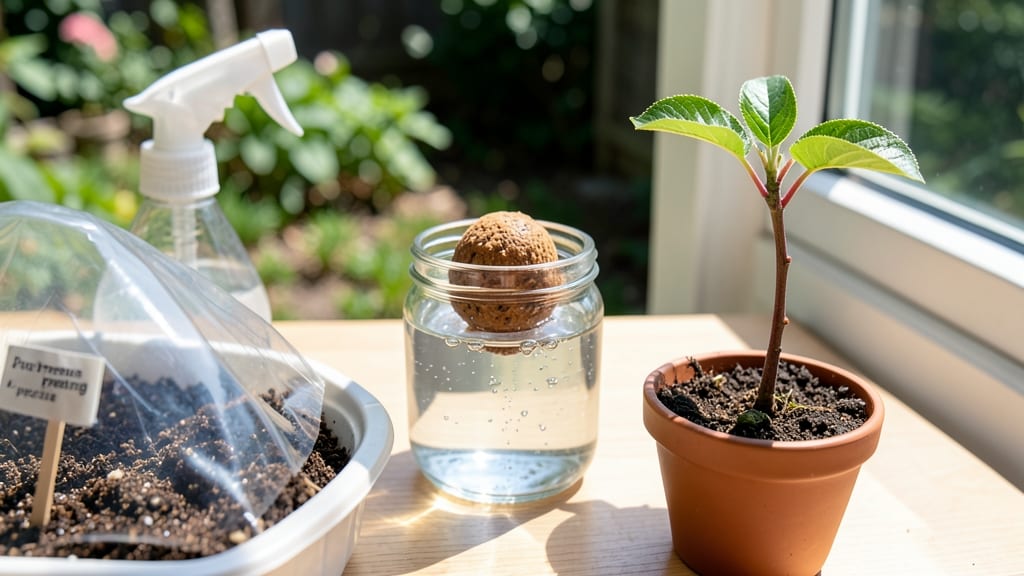
How to germinate a peach tree seed takes three months of cold treatment before you even plant it—trust me, the wait is worth it for that first homegrown peach. 🌱 I’ve watched seeds sprout after what felt like an eternity, only to produce a tree that now casts shade over my backyard. The key is mimicking nature’s winter chill, which breaks the seed’s dormancy and kickstarts growth. Most people skip the stratification step and wonder why their pit stays stubbornly dormant. You’ll need a damp paper towel, a plastic bag, and a fridge—no fancy equipment, just patience. After 8-12 weeks in the cold, the seed will finally crack open, signaling it’s ready for soil. The real magic happens when you plant it in a warm, sunny spot and keep the soil consistently moist but not soggy. By spring, you’ll see a tiny shoot pushing through the dirt, and within 3-5 years, that seed could bear fruit. The first harvest might not rival store-bought peaches, but the satisfaction of biting into one you grew? Priceless. Plus, the tree’s delicate pink blossoms in spring make every step worthwhile. This method works for any stone fruit seed—plums, cherries, even apricots—so don’t toss those pits. Just remember: slow and steady wins the orchard.
📚 In This Guide
- What you need
- Instructions
- Tips and common mistakes
- Wrapping up and next steps
What you need
- ● Peach pit (seed) – Fresh, firm, and not cracked (1-2 pits per attempt). Avoid pits from store-bought peaches (they’re often treated to prevent sprouting).
- ● Paper towel or coffee filter – 2-3 sheets (enough to wrap the pit snugly).
- ● Plastic bag (ziplock or resealable) – Small to medium size (8x10 inches or larger).
- ● Spray bottle with water – For gentle misting (avoid soaking).
- ● Small container or pot – 4-6 inches deep with drainage holes (e.g., nursery pot or yogurt cup with holes poked in the bottom).
- ● Well-draining potting mix – Seed-starting mix or a blend of 50% peat moss and 50% perlite/sand (1-2 cups).
- ○ Heat source (optional but helpful) – A seedling heat mat (70-85°F) or a warm spot (e.g., on top of a fridge).
- ● Fungicide – A light dose (like hydrogen peroxide 3%) to prevent mold during germination.
- ● Humidity dome or plastic wrap – To maintain moisture if your space is dry.
- ● Grow lights – If natural light is limited (12-16 hours/day once sprouted).
- ● Label or marker – To track planting dates and varieties.
- ● Patience and a journal – Germination can take 4-12 weeks—document progress!
Step-by-step instructions for germinating a peach tree seed
Here's how I've successfully sprouted peach tree seeds—it takes time, but the payoff is worth it.
🌱 Step 1: Extract and Prepare the Seed
Start by carefully removing the seed from a fresh, ripe peach. Cut the fruit open and scoop out the pit, making sure not to damage the seed inside. Rinse it under cool water to remove any remaining fruit residue—this prevents mold during germination. Let the seed dry completely for 24 hours at room temperature.
Once dry, place the seed between two paper towels and fold them so the seed is snug but not crushed. Put the wrapped seed in a plastic bag and seal it loosely—just enough to hold moisture in. Store the bag in a warm, dark place like on top of your fridge or in a seedling heat mat set to 70-75°F.
Check the seed daily. You'll see the first signs of germination in 2-4 weeks when the seed splits open and a tiny white root emerges. This is your cue to move quickly to the next step before the root dries out.
💧 Step 2: Plant the Germinated Seed
When you see that ½-inch root, fill a small pot (at least 4 inches deep) with moistened, well-draining potting mix. I like to use a mix of 50% potting soil and 50% perlite to ensure good drainage—peach tree roots hate soggy conditions. Make a small hole in the center, about 1 inch deep, and gently place the seed with its root pointing downward.
Cover the seed lightly with soil, pressing down just enough to hold it in place. Water the pot gently until the soil feels evenly moist but not waterlogged. Place the pot in a bright, indirect light spot—direct sun can scorch the delicate new sprout. Keep the soil consistently moist, but never soggy, by checking the top inch daily.
You'll notice the first true leaves appear in 4-6 weeks. These will be small and round, signaling that the seedling has successfully established its root system and is ready for more light.
☀️ Step 3: Provide Light and Care for the Seedling
Once the seedling has 2-3 sets of true leaves, it’s time to move it to a sunnier location. Peach trees thrive in full sun (6-8 hours daily), so place it near a south-facing window or under a grow light. If using a grow light, keep it 4-6 inches above the plant and provide 14-16 hours of light daily.
Water the seedling when the top inch of soil feels dry to the touch. Overwatering is the biggest mistake here—peach tree seedlings are prone to root rot. I use a spray bottle for gentle watering to avoid disturbing the soil around the roots. Fertilize lightly with a balanced, water-soluble fertilizer (like 10-10-10) diluted to half-strength every 4-6 weeks once the seedling is 3-4 inches tall.
Watch for leggy growth—a sign the seedling isn’t getting enough light. If the stem stretches too tall and thin, it’s time to adjust the light source or rotate the pot to encourage even growth. Strong seedlings will have thick stems and dark green leaves.
🪴 Step 4: Transplant to a Larger Pot
When the seedling reaches 6-8 inches tall and has a sturdy root system, it’s ready for its first repotting. Choose a pot that’s 2-3 inches larger in diameter and fill it with fresh potting mix. Gently remove the seedling from its current pot, loosen the roots with your fingers, and place it in the center of the new pot.
Fill in around the roots with soil, pressing down lightly to eliminate air pockets. Water thoroughly after transplanting to help the roots settle into their new home. Place the pot back in a sunny spot and continue with the same care routine—watering when the top inch of soil is dry and fertilizing every 4-6 weeks.
This is also the time to start hardening off the seedling if you plan to plant it outdoors. Begin by placing it outside in a sheltered spot for 1-2 hours the first day, gradually increasing the time over 1-2 weeks until it can tolerate full sun and outdoor conditions.
Tips & tricks for germinating a peach tree seed
These small adjustments can make all the difference between a thriving seedling and a failed experiment.
Moisture Management: During the 24-hour drying period in Step 1, place the seed on a paper towel over a wire rack instead of directly on a plate. This allows air to circulate underneath, preventing mold while still letting the seed dry completely. After planting, use a spray bottle to water the soil—it gives you more control than pouring from above, which can disturb the delicate root system.
Germination Timing: The 2-4 week window for germination can feel like an eternity, but consistency is key. Mark your calendar when you start the process—some seeds germinate in just 2 weeks, while others take the full 4 weeks. If you don't see a root after 4 weeks, gently check the seed again. Sometimes the root emerges from the opposite end than expected, so don't assume it's not happening if you don't see immediate progress.
Light Transition: When moving your seedling to full sun in Step 3, do it gradually over 3-5 days rather than all at once. Start with 2 hours of morning sun, then slowly increase by 1-2 hours each day. This prevents sunburn on the tender leaves. If you're using a grow light, position it so the light source is slightly off-center—this encourages the seedling to grow toward the light naturally, creating a stronger stem.
Hardening Off: The 1-2 hour outdoor acclimation in Step 4 is crucial, but don't rush it. If your weather forecast predicts rain or strong winds, delay the process. On cloudy days, you can extend the outdoor time to 3-4 hours since the seedlings won't be exposed to intense sunlight. Always place the pot in a sheltered spot like under a patio cover or against a wall to protect from direct wind.
Pro Tips for Germinate A Peach Tree Seed
- These small adjustments can make all the difference between a thriving seedling and a failed experiment.
- Moisture Management: During the 24-hour drying period in Step 1, place the seed on a paper towel over a wire rack ins...
- Germination Timing: The 2-4 week window for germination can feel like an eternity, but consistency is key. Mark your ...
Frequently asked questions
Got questions about germinating a peach tree seed? You’re not alone—this process can feel like waiting for a slow-cooked pot of chili! Here are answers to the most common queries to help you navigate the journey with confidence.
How long does it take for a peach seed to germinate?
A peach seed typically takes 2–4 weeks to sprout after stratification (cold treatment). Once planted in soil, germination can take an additional 1–3 weeks, depending on warmth and moisture. Be patient—consistent moisture and a warm environment (65–75°F) speed things up!
Do I really need to stratify the seed?
Yes! Stratification mimics winter conditions, breaking the seed’s dormancy. Without it, your seed may never sprout. Skip this step, and you’ll likely end up with a stubborn seed that refuses to grow. Pro tip: Place the seed in a damp paper towel in the fridge for 4–6 weeks for best results.
Will my peach seed grow into a true peach tree?
Probably not! Store-bought peaches are often hybrids, so your seedling may grow into a wild, non-fruiting tree or produce small, tasteless fruit. For guaranteed peaches, graft a known variety onto your seedling later. Think of it as a fun experiment with a possible surprise!
What if my seed rots or molds?
Rotting or mold (fuzzy spots, foul smells) means too much moisture or poor airflow. If this happens, discard the seed and try again with a fresh one. Keep seeds in a lightly damp (not soggy) environment, and use sterilized soil or a paper towel to prevent contamination.
Can I germinate a peach pit in water like avocado seeds?
Nope! Peach pits are hard seeds and won’t sprout in water like avocado pits. The seed coat is too thick—you need stratification and soil (or a paper towel) to break it down. Try the cold treatment method instead for best results.
What’s the best time of year to start?
Start indoors in late winter or early spring (after stratification) so seedlings have time to grow before outdoor planting. If you’re impatient, you can plant stratified seeds directly in the ground in early spring (after frost risk passes), but indoor starts give them a head start!
Wrapping up and next steps
Germinating a peach tree seed is a rewarding journey that blends patience with promise—your future orchard starts with a single stone! 🌱 While the process takes time (3–5 years for fruit), each step strengthens your green thumb and deepens your connection to nature. Don’t let the wait discourage you—celebrate small wins, like that first sprout breaking through soil.
Ready to take the next step? Once your seedling grows into a sturdy sapling, transplant it into a sunny spot and nurture it with care. Soon, you’ll be harvesting homegrown peaches—all thanks to that tiny seed you believed in!