
Propagation
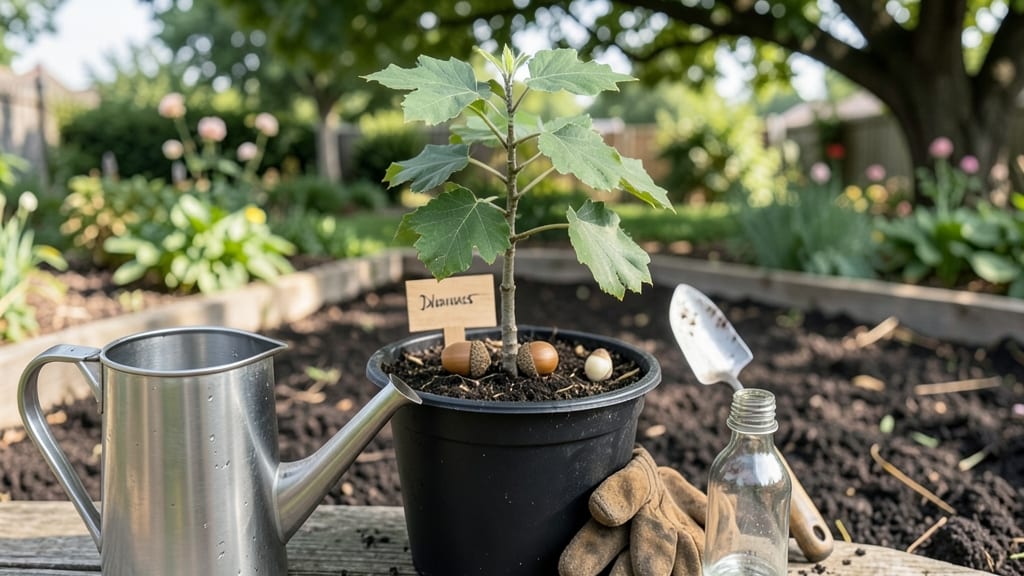
To grow a white oak tree from acorn, you'll need to stratify the seed for 60-90 days in cold, moist conditions, then plant it 1/3 deep in well-draining soil while keeping the soil consistently moist until germination—usually within 2-4 weeks. White oaks grow slowly but develop strong root systems for long-term stability.
White oak acorns need this cold treatment to break their natural dormancy, mimicking the winter conditions they'd experience in the wild. 🌱 The ideal stratification setup uses a mix of moist peat moss or sand at 34-41°F, with regular checks to prevent mold.
Once sprouted, these seedlings thrive in full sunlight and sandy loam soil, though they can adapt to various conditions once established. I've found that planting in early spring after stratification gives young oaks the best head start for their first growing season.
After germination, maintain consistent moisture without waterlogging the soil—white oaks hate soggy roots. Transplanting too soon can shock delicate root systems, so I recommend keeping seedlings in their nursery pots for at least a year before moving them outdoors permanently.
Patience pays off: these trees may take decades to reach maturity, but their longevity makes every step worthwhile.
💡 In This Article
- Stratification Process for White Oak Acorns
- Optimal Planting Conditions for Young White Oak Seedlings
Stratification process for white oak acorns
Cold stratification mimics the natural winter cycle that white oak acorns experience in the wild, breaking their dormancy through a carefully controlled process. White oak seeds produce a chemical called abscisic acid during dormancy, which prevents germination until environmental conditions are right.
When you expose the acorns to 34-41°F temperatures for 60-90 days, this chemical gradually breaks down, allowing the seed to recognize spring-like conditions and begin growth. Without this step, germination rates drop dramatically—often below 20%, compared to 70-90% with proper stratification.
The moisture level during stratification is equally critical. The growing medium (like peat moss or sand) should feel like a well-wrung sponge—damp but not soggy. Too little moisture prevents metabolic processes, while too much causes mold or rot.
I've found that wrapping acorns in damp paper towels inside a sealed plastic bag works well, with weekly checks to refresh moisture. The key is consistency: fluctuations in temperature or moisture can shock the seeds and reduce viability.
Think of it like preparing for winter hibernation—everything must be just right for the seed to "wake up" properly.
Temperature control is where many growers struggle. A refrigerator's vegetable crisper (around 38°F) works for most setups, but avoid freezer sections where temps drop below 32°F. For larger batches, consider a seed stratification chamber or even a buried container in a shady garden spot.
The goal is to keep conditions stable enough to simulate a natural forest floor, where acorns would gradually warm as spring approaches. This gradual warming is what triggers the final germination hormones in the seed—something that happens automatically in nature but requires our careful attention in cultivation.
What most people don't realize is that white oak acorns contain tannins, which act as natural preservatives but can inhibit germination if not properly stratified. These compounds need time to break down during cold treatment.
That's why freshly fallen acorns (from the previous autumn) often germinate better than older ones—less tannin buildup means less dormancy to overcome. When you see that tiny white root emerge after 2-4 weeks, you'll know your stratification paid off.
That first root growth is nature's way of saying "the waiting is over."
For best results, start stratification in late fall (October-November) to mimic natural timing. This gives you a head start on spring planting. The seed's internal clock is calibrated to this seasonal rhythm, which is why timing matters.
I've seen acorns that were stratified too early (in summer) fail to germinate properly—they get confused by the unnatural timing. The cold period must align with the seed's biological expectations for successful dormancy breaking.
One advanced technique worth mentioning is double stratification: after the initial cold period, some growers expose the seeds to a brief warm period (around 70°F for 1-2 weeks) before returning them to cold. This mimics the temperature fluctuations of early spring and can boost germination rates further.
However, this requires more precise temperature control and isn't necessary for beginners. For most gardeners, the standard 60-90 day cold treatment will yield excellent results with proper moisture management.