
Planting
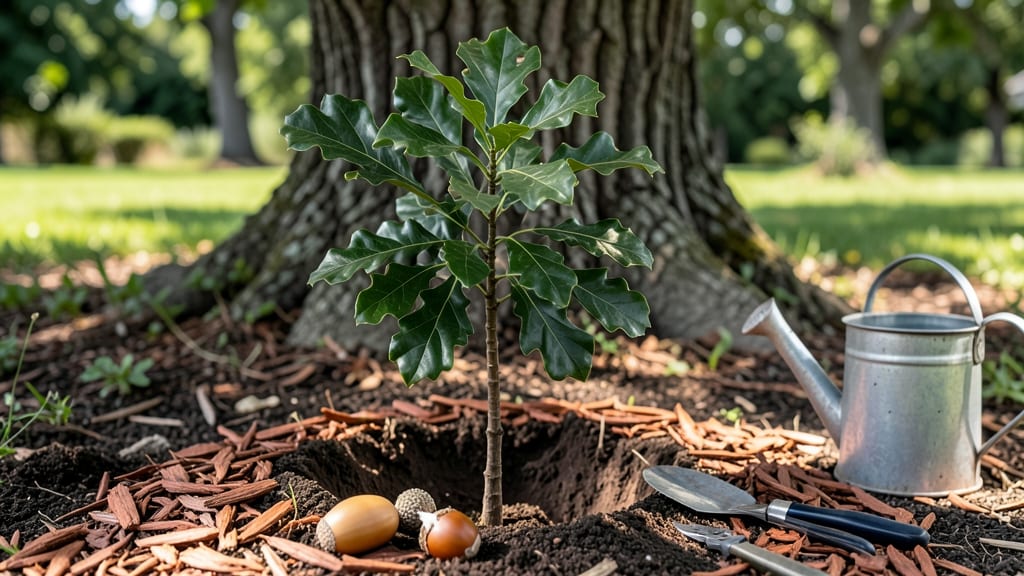
How to plant a live oak tree from acorn means you're betting on decades of growth—but the first step is simple: find a plump, undamaged acorn and let nature do half the work. 🌱 I’ve watched acorns sprout in my yard, and the key is patience: germination can take months, but once it starts, those taproots grow like nothing else. The real magic happens underground, where a single acorn can become a tree with a 60-foot canopy.
You’ll need a few basics: a deep container (at least 12 inches tall) for the first year, well-draining soil mix (equal parts sand, perlite, and potting soil), and a sunny spot that mimics the oak’s natural habitat.
Live oaks hate soggy roots, so if your soil stays damp, plant on a slight mound or improve drainage. The acorn should sit just below the soil surface—no deeper than 1 inch—with the pointed end up. Water lightly after planting, then let it dry out between waterings.
Here’s where the waiting begins: most acorns sprout within 2–6 weeks, but some take months. Once the seedling emerges, move it to a shady, protected spot for its first year—direct sun will scorch those tender leaves.
By year 2, you can transplant it to its permanent home, but remember: live oaks grow slowly. Give it space (50+ feet from structures) and time (20+ years for meaningful shade), and you’ll have a legacy tree.
The biggest mistake? Rushing. Live oaks don’t like to be disturbed, so avoid repotting or moving them until they’re at least 2 feet tall. Mulch around the base to retain moisture, and watch for fungal issues—keep the soil around the trunk dry to prevent rot.
In 50 years, that tiny acorn could be providing shade for your grandkids. Now, grab a handful of acorns and get started.
📚 In This Guide
- What you need
- Instructions
- Tips and common mistakes
- Wrapping up and next steps
What you need
- ● Mature live oak acorns (5–10, collected in fall; ensure they’re plump and free of cracks or mold).
- ● Well-draining potting mix (1–2 gallons; blend of peat moss, perlite, and sand for aeration).
- ● Small pots or seed trays (3–4 inches deep, with drainage holes; 1 per acorn).
- ● Spray bottle (for gentle watering to avoid displacing soil).
- ● Plastic wrap or humidity dome (to retain moisture during germination).
- ● Garden trowel or small shovel (for transplanting seedlings later).
- ● Sunny outdoor location or grow light (6+ hours of indirect sunlight daily).
- ● Watering can or hose with a gentle nozzle (for consistent moisture).
- ● Acorn leach solution (soak acorns in water for 24–48 hours to speed up germination).
- ● Fungicide (mild) (to prevent mold if humidity is high).
- ● Mulch (shredded bark or pine straw) (for transplanting seedlings outdoors).
- ● Tree collar protector (to shield young trunks from pests).
- ● pH test kit (ideal soil pH: 5.0–7.0 for live oaks).
Step-by-step instructions for growing a live oak from acorn
This is how I’ve nurtured live oak seedlings into towering giants—start with a single acorn and watch nature’s patience unfold.
🌱 Step 1: Collect and Prepare the Acorns
Gather acorns from mature live oak trees in late fall, when they’ve fallen naturally. Avoid acorns from young trees—they’re less likely to germinate. I store them in a breathable mesh bag in the refrigerator until planting, which mimics winter dormancy. This trick prevents premature sprouting and keeps them viable for months.
Before planting, soak the acorns in warm water for 24 hours to soften the hard shell. This step is critical—without it, the seedling may struggle to break through. After soaking, place each acorn in a small pot filled with moistened potting mix (not garden soil—it’s too dense). Press the acorn ½ inch deep into the soil, pointy end up, just enough to cover it lightly.
💧 Step 2: Create the Ideal Germination Environment
Live oak acorns need warmth and consistency to germinate. I place the pots in a seedling heat mat set to 75-85°F—this mimics the forest floor’s natural warmth. Without a heat mat, germination can take 6-12 months instead of 4-6 weeks. Keep the soil evenly moist (not soggy) by misting lightly every 2-3 days until you see the first signs of growth.
The real test comes when the radicle (the first root) breaks through the shell. You’ll notice the acorn’s pointed end split open—this is your cue to stop soaking and let nature take over. Once the seedling reaches 2 inches tall, it’s ready to move to a larger container with well-draining soil.
☀️ Step 3: Transition to Sunlight and Outdoor Conditions
After the seedling has 4-6 true leaves (not the initial seed leaves), it’s time to harden it off. Start by placing it outside in partial shade for 2-3 hours the first day, gradually increasing exposure over 2 weeks. Live oaks thrive in full sun, but young seedlings can scorch if moved too quickly.
I plant them in a 5-gallon container with a mix of potting soil and sand to prevent root rot. The key here is patience—live oaks grow slowly. Water deeply once a week (more in extreme heat) and watch for new leaf growth as your signal that the roots are establishing. After 1-2 years, you can transplant to the ground, but only in USDA Zones 7-10—these trees hate frost.
⏰ Step 4: Long-Term Care for a Mighty Canopy
Once planted outdoors, live oak seedlings need deep watering every 10-14 days—they’re drought-tolerant but not drought-proof. Mulch around the base with 2-3 inches of wood chips to retain moisture and protect roots from temperature swings. In their first year, I shield young trees from strong winds with a temporary stake to prevent root damage.
Here’s the thing—live oaks grow 1-2 feet per year when young, but their real magic happens decades later. Prune only to remove dead branches in late winter, and avoid heavy trimming, which stresses the tree. With time, your tiny acorn will cast shade for generations—just like the ancient oaks that inspired you.
Tips & tricks for growing a live oak from acorn
Real talk: Growing a live oak from an acorn is all about patience and precision. Here's how to avoid the pitfalls I learned from watching my first batch struggle.
Acorn Selection: Don't just grab any acorn—look for ones that are plump, heavy for their size, and free of cracks or holes. The larger the acorn, the better chance it has of germinating. I've found that acorns from mature trees (at least 30 years old) have the highest success rate. Store them in a mesh bag in the fridge for up to 6 months if you can't plant them immediately.
Soaking Strategy: The 24-hour soak is non-negotiable for breaking that tough shell. Use warm (not hot) water to speed up the process, and change the water halfway through if it starts looking cloudy. After soaking, let the acorns dry slightly before planting—they should feel damp but not wet. This prevents mold from forming in the soil.
Heat Mat Hack: If you don't have a seedling heat mat, try placing your pots on top of your refrigerator (not inside) where it's naturally warm. The 75-85°F range is crucial—any cooler and germination slows dramatically. I've seen acorns take over a year to sprout when kept at room temperature (around 68°F) instead of using heat.
Transplant Timing: Wait until your seedling reaches exactly 2 inches tall before moving it to a larger container. This gives it enough strength to handle the transition. When repotting, use a mix of potting soil and sand (about 70% soil, 30% sand) to prevent compaction. The roots need room to breathe as they establish.
Pro Tips for Plant A Live Oak Tree From Acorn
- Real talk: Growing a live oak from an acorn is all about patience and precision.
- Acorn Selection: Don't just grab any acorn—look for ones that are plump, heavy for their size, and free of cracks or holes.
- Soaking Strategy: The 24-hour soak is non-negotiable for breaking that tough shell.
Frequently asked questions
Got questions about growing a live oak from an acorn? You’re not alone—this process takes time and care! Here are answers to the most common queries to help you succeed.
How long does it take for an acorn to sprout?
With the right conditions (moisture, warmth, and patience), an acorn can sprout in 4–8 weeks. Some may take longer, especially if stored improperly. Keep the soil consistently damp and place the pot in a warm, shaded spot to speed up germination.
Can I plant an acorn directly in the ground?
While possible, container planting first is highly recommended for better control over moisture and protection from pests. Once the seedling grows 6–12 inches tall (usually 1–2 years), you can transplant it outdoors. Direct planting often leads to poor survival rates.
Will squirrels or animals steal my acorns?
Acorns are a favorite snack for squirrels, raccoons, and birds. To protect your acorn, plant it in a small pot or bury it deep (3–4 inches) in the soil with a wire mesh cage over the top. Alternatively, use a seedling tray indoors until sprouting.
When is the best time to plant a live oak acorn?
The ideal time is late summer to early fall (August–October), mimicking nature’s timing. Planting in spring works too, but fall-acorn seedlings have a head start before winter. Avoid planting in extreme heat or cold—consistent soil temps (60–70°F) are key!
What if my acorn doesn’t sprout? Troubleshooting tips
Don’t lose hope! Common issues include:
- Dry soil: Acorns need constant moisture—mist the soil daily.
- Old or infertile acorns: Use fresh, plump acorns from healthy trees.
- Poor drainage: Ensure pots have drainage holes to prevent rot.
- Temperature stress: Keep the pot in a warm, shaded area (not direct sun).
Wrapping up and next steps
Growing a live oak tree from an acorn is a rewarding journey that blends patience with nature’s magic! 🌳 By following these steps—from selecting the right acorn to nurturing your sapling—you’re not just planting a tree; you’re cultivating a legacy.
Remember, consistency and care are key, and soon, you’ll watch your tiny acorn transform into a towering oak.
Ready to take the next step? Mark your calendar for seasonal planting times in your region, and keep an eye on your acorn’s progress. Who knows? In years to come, you might just be the one sharing shade under your majestic live oak! 🌱✨