
Container Gardens
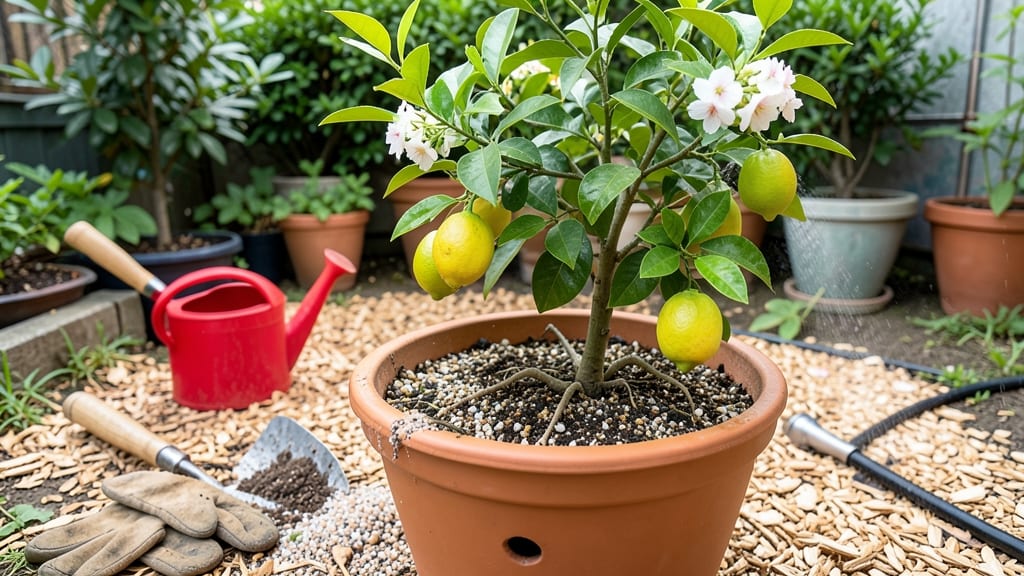
Planting a Meyer lemon tree in a pot brings sunshine to your balcony or patio year-round. 🌿 The secret to success lies in mimicking its Mediterranean roots—well-draining soil, a pot with drainage holes, and a sunny spot that keeps it happy through all four seasons.
I’ve grown these citrus trees for years, and the key is starting with the right setup to avoid the common pitfalls like root rot or stunted growth.
You’ll need a 15- to 20-gallon pot (bigger is better for mature trees), a mix of potting soil and perlite or sand for drainage, and a location with 6+ hours of sunlight daily.
Meyer lemons thrive in containers but need consistent care—water when the top inch of soil feels dry, and fertilize monthly during spring and summer with a citrus-specific feed. The first year is all about establishing strong roots, so don’t rush the growth.
By following these steps, you’ll end up with a fragrant, productive tree that rewards you with sweet, juicy lemons—even in winter. The leaves stay glossy, the branches fill out, and you’ll avoid the heartbreak of a tree that struggles or dies from poor drainage.
It’s a game-changer for small spaces, and the smell of fresh citrus in your home is unbeatable.
Once your tree is planted, keep an eye out for yellowing leaves (a sign of overwatering) or sparse foliage (a cry for more light). Repot every 2-3 years to refresh the soil and give roots room to grow.
With patience, your Meyer lemon will become the star of your container garden, producing fruit for years to come.
📚 In This Guide
- What you need
- Instructions
- Tips and common mistakes
- Wrapping up and next steps
What you need
- ● Meyer lemon tree (bare-root or potted, 1-3 years old for best results)
- ● Large container or pot (15–25 gallons, with drainage holes; minimum 18" diameter for mature trees)
- ● Well-draining potting mix (citrus-specific mix or a blend of 50% potting soil, 30% perlite, and 20% coarse sand)
- ● Slow-release citrus fertilizer (look for balanced NPK or high-nitrogen for young trees)
- ● Drainage material (gravel, pebbles, or broken pottery for the pot’s base)
- ● Watering can or hose with gentle spray nozzle
- ● Garden trowel or small shovel
- ● Pruning shears (for shaping or trimming)
- ● pH testing kit (ideal range: 6.0–7.0)
- ● Mulch (organic, like straw or bark chips, to retain moisture)
- ● Support stake (if planting in a windy area)
- ● 🌡️ Choose a pot with wheels if you plan to move it seasonally for sunlight or temperature control.
- ● ✨ Avoid plastic pots—terracotta or fabric pots breathe better and prevent root rot.
- ● 🔥 If repotting, increase pot size by 2–4 inches in diameter every 2–3 years.
Step-by-step instructions for planting a Meyer lemon tree in a pot
With the right container and care, you’ll enjoy homegrown lemons year-round—here’s how to set it up right.
🪴 Step 1: Choose the Right Container and Drainage
Select a 5-gallon pot or larger with drainage holes—Meyer lemons need room for roots to spread and hate soggy soil. I prefer terra cotta because it breathes, but any unglazed ceramic or heavy plastic works. If your pot lacks holes, drill 2-3 additional ones near the bottom to prevent root rot.
Place a 2-inch layer of gravel or broken pottery at the bottom for extra drainage. This creates an air pocket that keeps roots dry between waterings. Skip the saucer if your pot doesn’t drain well—water pooling at the base will suffocate roots overnight.
🌱 Step 2: Use Well-Draining Soil and Plant the Tree
Fill the pot halfway with a mix of 50% potting soil and 50% perlite or coarse sand—this ensures water drains freely while retaining enough moisture. Meyer lemons thrive in slightly acidic soil with a pH of 6.0-7.0, so avoid garden soil, which compacts and traps excess moisture.
Remove the tree from its nursery pot and loosen the roots gently if they’re circling. Place it in the center of your container, ensuring the root flare (where roots meet the trunk) sits just above the soil line. Fill remaining space with your soil mix, pressing lightly to eliminate air pockets but not compacting too tightly.
☀️ Step 3: Position for Maximum Sunlight and Warmth
Meyer lemons demand full sun (6-8 hours daily)—place your pot near a south-facing window or under grow lights if indoors. Without enough light, leaves yellow and growth stalls. I keep mine on a castor stand so I can rotate the pot weekly, ensuring even sunlight exposure and preventing lopsided growth.
Keep the pot in a spot with consistent temperatures above 60°F—cold drafts or sudden temperature drops below 50°F shock the tree. If growing outdoors in winter, move it indoors or protect it with a frost blanket until spring.
💧 Step 4: Water Deeply and Establish a Routine
Water thoroughly until water runs freely from the drainage holes, then wait until the top 1-2 inches of soil feel dry before watering again. Overwatering is the #1 killer of potted citrus—Meyer lemons prefer drier conditions than most houseplants. I use a moisture meter to check, but sticking your finger in the soil works too.
Fertilize every 4-6 weeks in spring and summer with a balanced citrus fertilizer (look for one with equal NPK ratios). In fall and winter, reduce feeding to once every 2-3 months—the tree enters dormancy, and too much fertilizer burns roots. Flush the soil with water monthly to prevent salt buildup from fertilizers.
✂️ Step 5: Prune and Encourage Fruit Production
Prune in late winter or early spring before new growth begins. Remove dead, crossing, or inward-growing branches with sterilized pruning shears, cutting just above a leaf node. This improves airflow and redirects energy to fruit production. I also trim back any leggy growth to maintain a compact, bushy shape—Meyer lemons fruit better when pruned regularly.
Watch for white flowers in spring, which signal potential fruit. If you want lemons, leave 3-4 flowers per cluster—too many fruits drain the tree. Thin excess fruit early to ensure the remaining ones grow larger. Harvest when the fruit turns bright yellow and yields slightly to gentle pressure.
Tips & tricks for perfect Meyer lemon tree growth in pots
A few strategic moves will help your Meyer lemon thrive—here's how to set it up for success from day one.
Container Upgrade: If you're using a plastic pot without drainage, upgrade to terra cotta or drill additional holes—roots need oxygen as much as water, and soggy soil is the silent killer of potted citrus. I've seen Meyer lemons in unglazed ceramic pots last decades because the material naturally wicks away excess moisture. For extra insurance, place your pot on a saucer with pebbles—this creates a secondary drainage layer that prevents water from pooling against the pot's base.
Soil Science: That 50/50 potting soil to perlite mix isn't just arbitrary—it's about balance. The perlite creates air pockets that prevent compaction, while the potting soil provides essential nutrients. Pro tip: Test your soil pH with a simple kit (aim for 6.0-7.0). If your mix runs acidic, add a pinch of dolomitic lime to adjust. I've found that Meyer lemons in slightly acidic soil (around 6.5) produce fruit with the brightest flavor and thickest skins.
Light Strategy: Those 6-8 hours of sunlight aren't just about growth—they're about flavor development. If your south-facing window doesn't get enough direct light, supplement with a full-spectrum grow light for 4-6 hours daily. I position mine about 6 inches above the tree and keep it on a timer. Watch for leaves stretching toward the light (called etiolation)—this means your tree is light-deprived. Rotate your pot weekly to ensure even growth and prevent lopsided development.
Winter Survival: The 60°F minimum isn't just a number—it's about preventing cold shock. If you're growing outdoors in cooler climates, bring your tree indoors before temperatures drop below 55°F. I've had success overwintering mine in a garage with a space heater set to maintain 55-60°F. The key is gradual acclimation: move your tree indoors over several days rather than shocking it with sudden temperature changes. This prevents leaf drop and stress responses.
Pro Tips for Plant A Meyer Lemon Tree In A Pot
- A few strategic moves will help your Meyer lemon thrive—here's how to set it up for success from day one.
- Container Upgrade: If you're using a plastic pot without drainage, upgrade to terra cotta or drill additional holes—roots need oxygen as much as water, and soggy soil is the silent killer of potted citrus.
- Soil Science: That 50/50 potting soil to perlite mix isn't just arbitrary—it's about balance.
Frequently asked questions
Got questions about growing your own Meyer lemon tree in a pot? You’re not alone! Here are some of the most common concerns—and their simple solutions—to help you succeed.
How often should I water my potted Meyer lemon tree?
Water your tree when the top 1–2 inches of soil feel dry. In summer, this might mean watering every 2–3 days, while winter care drops to once a week. Overwatering is the enemy—always use pots with drainage holes to prevent root rot.
Can a Meyer lemon tree survive winter in a pot?
Yes, but with some help! Move your pot indoors (near a sunny window or under grow lights) when temps dip below 40°F (4°C). If you can’t bring it inside, wrap the pot in burlap and mulch the soil. Avoid sudden temperature swings—they stress the tree.
How long does it take for a potted Meyer lemon tree to bear fruit?
Patience is key! With proper care, your tree may produce flowers in 1–2 years, but fruit can take 3–5 years. Young trees focus on growth first. Boost fruiting by hand-pollinating flowers with a soft brush and ensuring it gets 6+ hours of sunlight daily.
What’s the best fertilizer for a Meyer lemon tree in a pot?
Use a balanced citrus fertilizer (like 6-6-6 or 8-3-9) every 4–6 weeks during spring and summer. In fall/winter, switch to a low-nitrogen formula to encourage rest. Pro tip: Mix compost into the soil annually for extra nutrients.
Why are the leaves on my Meyer lemon tree turning yellow?
Yellow leaves usually signal overwatering, nutrient deficiency, or pests. Check the roots—if they’re mushy, cut back on water. For deficiencies, feed with a citrus-specific fertilizer. Inspect for aphids or spider mites (spray with neem oil if needed).
Can I replant my Meyer lemon tree in a larger pot later?
Repot every 2–3 years or when roots circle the pot. Choose a container just 2–4 inches larger in diameter, and refresh the soil with a mix of potting soil and perlite. Spring is the ideal time to avoid stressing the tree.
Wrapping up and next steps
Growing a Meyer lemon tree in a pot is a rewarding journey that brings fresh, sweet citrus to your doorstep—literally! 🌱 With the right container, soil, sunlight, and care, you’ll enjoy fragrant blooms, tangy lemons, and a pop of greenery year-round.
Whether you’re a beginner or a seasoned gardener, this citrus companion is worth the effort.
Now that you’re armed with the know-how, take the plunge and plant your tree today! Start small, stay consistent with watering and pruning, and soon you’ll be harvesting homegrown lemons for lemonade, baking, or gifting. Happy planting—your future lemony adventures await! 🍋✨