
Container Gardens
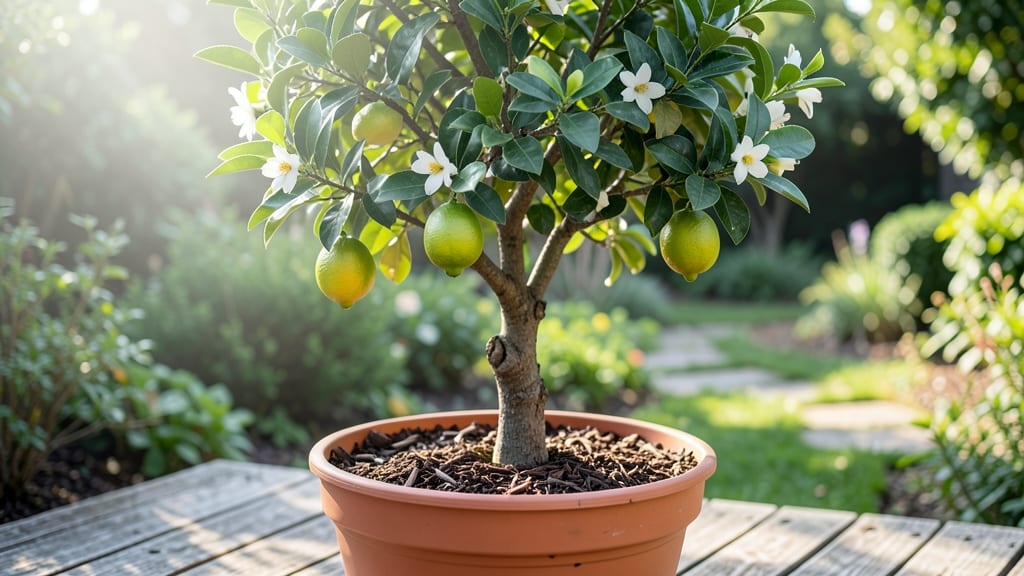
Growing a Meyer lemon tree in a pot means sweet, fragrant fruit on your porch—no backyard needed. 🌱 I’ve wrestled with these citrus trees for years, and the secret to success isn’t just sunlight or water: it’s the right 15-gallon pot, well-draining soil, and a winter routine that keeps roots from freezing.
The payoff? Juicy lemons by late spring, even in an apartment. The first hurdle is choosing the right container—too small and the tree gets root-bound; too big and soil stays soggy.
I use fabric pots for better drainage, filled with a mix of potting soil, perlite, and a handful of citrus fertilizer. Place it where it gets 6-8 hours of sun daily, and you’ll see new growth within weeks.
Winter care is critical: move potted trees indoors when temps drop below 40°F, or wrap the pot in burlap to protect roots. You’ll know you’re doing it right when leaves stay glossy, not yellow, and the tree blooms with tiny white flowers by early summer.
Prune leggy branches in late winter to encourage bushier growth, and feed every 4-6 weeks with citrus-specific fertilizer. The first harvest might be small, but each year, the tree rewards you with more fruit than you’d expect.
This method works for patios, balconies, or sunny windowsills—just adjust sunlight and pot size as needed. The key is patience: Meyer lemons take 2-3 years to bear fruit, but once they do, you’ll never buy store-bought lemons again.
📚 In This Guide
- What you need
- Instructions
- Tips and common mistakes
- Wrapping up and next steps
What you need
- ● Meyer Lemon Tree: A healthy 1- to 3-gallon potted sapling (ensure it’s disease-free and has vibrant green leaves).
- ● Container: Minimum 15–20 gallons (18–24" diameter) for mature trees.
- ● Drainage holes (non-negotiable! Use a drill if repurposing a decorative pot).
- ● Material: Terracotta (breathable), ceramic (durable), or high-quality plastic (lightweight).
- ● Well-Draining Potting Mix: 50% cactus/succulent mix (for aeration).
- ● 30% perlite or pumice (prevents compaction).
- ● 20% compost or worm castings (for nutrients).
- ● Slow-Release Fertilizer: Citrus-specific granules (e.g., 14-14-14 NPK ratio) or organic options like fish emulsion.
- ● Saucer or Tray: To catch excess water (2–3" deeper than the pot’s base).
- ● Hand Trowel (for planting/transplanting).
- ○ Gloves (optional but handy for messy tasks!).
- ● Misting Bottle (to maintain humidity for young trees).
- ○ Support Stake or Trellis (4–6 ft tall; optional for training vertical growth).
- ○ pH Test Kit (optional but helpful—Meyer lemons thrive in 6.0–7.0 pH).
- ● Pruning Shears (sterilized; for shaping and removing dead branches).
- ● Sunlight: 6–8+ hours of direct sun daily (south-facing window or balcony works!).
- ● Temperature: 60–85°F (protect from frost; bring indoors if temps drop below 40°F).
- ● Water Access: Soft, chlorine-free water (let tap water sit 24 hours if treated).
- ● Patience: Meyer lemons can take 2–5 years to bear fruit in pots—but it’s worth the wait! 🍋
Step-by-step instructions for growing a Meyer lemon tree in a pot
Here’s how to nurture a sun-loving citrus tree that thrives in containers—with fruit in just a few years.
🪴 Step 1: Choose the Right Pot and Drainage
Start with a 5-gallon container—at least 12 inches deep—to give roots room to spread. Meyer lemons need drainage holes (two or three, minimum), so water can escape freely. I use terracotta pots because they breathe better than plastic, helping prevent root rot. If your pot lacks holes, drill them yourself—just avoid drilling near the rim to prevent soil from spilling out.
Place a 2-inch layer of gravel or broken pottery at the bottom before adding soil. This creates an air gap that prevents soggy roots while still allowing excess water to drain. Skip the saucer if you’re worried about mess—just place the pot on a tray or saucer with a lip to catch drips. The key is keeping the root zone aerated but well-draining—Meyer lemons despise wet feet.
🌱 Step 2: Plant Your Tree with Proper Soil and Support
Fill the pot with a mix of 50% well-draining potting soil and 50% perlite or coarse sand. This lightens the soil and mimics the fast-draining conditions Meyer lemons love in their native habitat. I like to add a handful of slow-release citrus fertilizer to the bottom layer—this gives roots a nutrient boost right from the start.
Remove the tree from its nursery pot and loosen the roots gently if they’re circling. Place it in the center of your container, ensuring the graft union (the bump where the top and rootstock meet) sits 1 inch above the soil line. This prevents rot and encourages strong growth. Fill in around the roots with your soil mix, pressing lightly to remove air pockets but not compacting too firmly.
☀️ Step 3: Position for Maximum Sunlight and Warmth
Meyer lemons crave full sun—6 to 8 hours daily—so place your pot in the suniest spot you have, like a south- or west-facing patio, balcony, or deck. If you’re in a shady spot, supplement with a grow light for 12-14 hours a day. I’ve seen leggy, weak trees when light was insufficient—watch for stretched stems and pale leaves as warning signs.
Keep the pot in a spot where temperatures stay above 50°F year-round. If nights dip below 40°F, move the tree indoors near a sunny window or under grow lights. Meyer lemons are tender citrus—they’ll drop leaves and go dormant if shocked by cold. A heat lamp can help in winter if your space gets chilly, but avoid placing it too close to the leaves.
💧 Step 4: Water Deeply and Maintain Consistent Moisture
Water your Meyer lemon deeply once a week (or when the top 2 inches of soil feel dry). Stick your finger in the soil—if it’s dry past your first knuckle, it’s time to water. Overwatering is the #1 killer of potted citrus, so always let excess water drain away completely before placing the pot back in its saucer.
In hot months, you may need to water every 3-4 days, but check the soil first. Yellowing leaves often mean overwatering, while crispy edges signal underwatering. I like to water in the morning so the tree has time to absorb moisture before evening. Avoid wetting the leaves—water at the base to prevent fungal diseases like citrus scab.
✂️ Step 5: Prune and Fertilize for Healthy Growth
Prune your Meyer lemon once a year in late winter or early spring before new growth starts. Remove dead, crossing, or crowded branches with clean, sharp shears. I also trim back any leggy growth to encourage a compact, bushy shape. Never cut into old wood—focus on shaping the tree while it’s young for easier fruit production later.
Feed your tree every 4-6 weeks during growing season (spring through fall) with a citrus-specific fertilizer or one high in nitrogen, phosphorus, and potassium (look for a 10-10-10 or 6-6-6 ratio). In winter, cut back to once every 8-10 weeks or stop fertilizing entirely—citrus trees rest during cooler months. A mulch ring of straw or wood chips around the pot helps retain moisture and regulate soil temperature.
Tips & tricks for thriving Meyer lemon trees in pots
Here’s what I’ve learned after growing Meyer lemons for years—the little details that make all the difference.
Pot Size Matters: That 5-gallon container is your minimum, but don’t stop there. If you want fruit within 3-5 years, upgrade to a 7-10 gallon pot when the tree outgrows its current home. I’ve seen trees in 5-gallon pots struggle to produce fruit because their roots get root-bound. The extra space lets roots spread and access nutrients more efficiently, which translates directly to more blossoms and lemons.
Graft Union Awareness: That little bump where the top and rootstock meet? That’s your graft union, and it needs to stay 1 inch above soil level at all times. If you bury it, the tree can rot from the bottom up. After planting, check it every few months—soil levels change as the tree grows. I’ve lost trees this way, and it’s heartbreaking watching a young plant fail because of something so simple to fix.
Light is Non-Negotiable: Those 6-8 hours of sun aren’t optional—they’re the difference between a thriving tree and one that just survives. If your balcony only gets 4 hours, consider a grow light for the remaining 4. I’ve had success with a 15-watt LED grow bulb placed 6 inches above the tree for 4 hours in the evening. The key is replicating that natural sunlight spectrum, not just adding any light. Watch for those stretched stems and pale leaves—they’re your tree’s way of screaming for more light.
Winter Care is Critical: When temperatures dip below 40°F, your Meyer lemon’s going into survival mode. Move it indoors near a sunny window or under grow lights immediately. I’ve seen trees drop all their leaves in winter, only to bounce back spectacularly with proper care. Keep the soil slightly drier in winter (water when the top 3 inches are dry) and reduce fertilizer to every 8-10 weeks. This mimics the tree’s natural winter rest period and prevents root burn from excess salts.
Pro Tips for Growing Meyer Lemon Tree In A Pot
- Here’s what I’ve learned after growing Meyer lemons for years—the little details that make all the difference.
- Pot Size Matters: That 5-gallon container is your minimum, but don’t stop there.
- Graft Union Awareness: That little bump where the top and rootstock meet?
Frequently asked questions
Got questions about growing your Meyer lemon tree in a pot? You’re not alone—here are some of the most common concerns and quick answers to keep your citrus thriving!
How cold can a potted Meyer lemon tree tolerate?
A Meyer lemon tree is tender and prefers consistent warmth. While young trees can handle brief dips to 40°F (4°C), prolonged cold below 30°F (-1°C) risks damage. If winter temps drop further, move your pot indoors near a sunny window or use frost cloth for protection. Pro tip: Avoid sudden temperature swings—lemons hate stress!
Why are my lemon tree’s leaves turning yellow?
Yellow leaves often signal overwatering or poor drainage. Meyer lemons prefer well-draining soil and hate soggy roots. Check the top inch of soil—if it’s damp, wait before watering. Also, ensure your pot has drainage holes and use a cactus/succulent mix amended with perlite. Bonus: Yellowing can also mean nutrient deficiency—feed with citrus fertilizer every 2–3 months!
How long does it take for a potted Meyer lemon tree to bear fruit?
Patience is key! With ideal care, a potted Meyer lemon tree may produce fruit in 2–3 years, but some take up to 5 years. Factors like sunlight (6+ hours daily), proper fertilization, and container size (at least 15–20 gallons for mature trees) speed up fruiting. Fun fact: Female trees need cross-pollination—plant a second tree nearby or hand-pollinate with a cotton swab!
Can I grow a Meyer lemon tree indoors year-round?
Yes, but with caveats! Indoor growth is possible if you provide bright, indirect light (south-facing window or grow lights) and maintain humidity (mist leaves or use a pebble tray). However, indoor trees may fruit less reliably due to limited sunlight. For best results, move your tree outdoors in spring/summer and bring it back inside before temps drop. Light tip: Rotate the pot weekly for even growth!
What’s the best alternative if my Meyer lemon tree isn’t thriving?
If your tree struggles with pests, disease, or slow growth, consider dwarf citrus varieties like:
- Calamondin orange (hardier, smaller, edible fruit)
- Improved Meyer lemon (disease-resistant hybrid)
- Kumquat (compact, cold-tolerant, sweet fruit)
All thrive in pots and offer similar benefits! Remember: Even “failing” trees can recover with adjusted care—don’t give up too soon.
Wrapping up and next steps
Growing a Meyer lemon tree in a pot is a rewarding journey that brings sunshine, fresh air, and delicious fruit to even the smallest spaces! With the right care—sunlight, well-draining soil, and a little patience—you’ll soon enjoy homegrown lemons for cooking, drinks, or simply admiring your thriving green companion. 🌿✨
Now that you’re armed with tips and tricks, why not take the next step? Start with a healthy sapling, follow your watering and pruning schedule, and soon, you’ll be harvesting lemons straight from your balcony or patio. Happy gardening—your taste buds (and future lemon tarts!) will thank you! 🍋😊