Planting
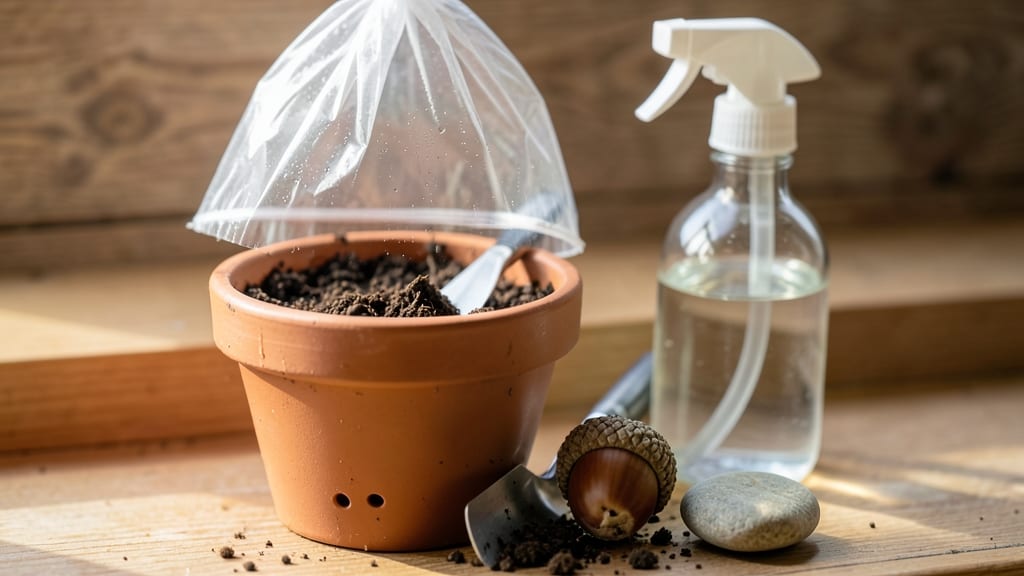
Learning how to plant an oak tree seed now means a towering oak shading your yard in 50 years. 🌳 I've nurtured dozens of acorns into saplings, and the patience pays off with a tree that lasts centuries.
The key starts with understanding that oak seeds need a winter to break dormancy—nature's way of timing growth with spring. You'll need fresh acorns (not dried or shriveled), a container with drainage holes, and a mix of potting soil and sand.
Place the acorn horizontally in the soil, about 1 inch deep, then refrigerate it for 60-90 days to mimic winter. This stratification trick is what unlocks germination when you plant it outdoors in early spring. Once planted, keep the soil consistently moist but not soggy.
Sunlight is non-negotiable—oak seedlings need 6+ hours of direct sun daily to grow strong. The first year is critical: thin seedlings to 6 inches apart and protect them from deer or rabbits with a wire cage. This isn't a quick project—it's a legacy.
But with the right start, you're setting the stage for a tree that will outlive you. Here's how to begin.
📚 In This Guide
- What you need
- Instructions
- Tips and common mistakes
- Wrapping up and next steps
What you need
- ● Acorns: 1–3 fresh, plump acorns (preferably from a healthy oak tree—white or red oak varieties work best). Pro tip: 💡 Collect them in fall when they’re fully ripe but still firm!
- ○ Growing container: A small pot (4–6 inches deep) or a seed tray with drainage holes. Optional: A clear plastic bag (to create a mini greenhouse effect).
- ● Potting soil: 1–2 cups of well-draining, sterile potting mix (avoid garden soil—it can harbor pests or diseases).
- ● Watering can or spray bottle: For gentle hydration—overwatering is the #1 enemy of tiny seeds!
- ● Plastic wrap or humidity dome: Keeps moisture locked in while the seed germinates.
- ● Scissors or knife: For carefully nicking the acorn’s hard shell (speeds up germination).
- ● Sandpaper (fine-grit): Lightly rough up the acorn’s shell to encourage moisture absorption.
- ○ Heat mat (optional): A seedling heat mat (set to 70–75°F) can boost germination speed.
- ● Label & marker: To track planting dates and varieties.
- ● Outdoor space: A sunny spot (6+ hours of light daily) for transplanting later.
Step-by-step instructions for planting an oak tree seed
Here's how to start your oak tree journey—patience and proper technique are everything.
🌱 Step 1: Collect and Prepare Fresh Acorns
Gather acorns in fall when they're fully mature but still fresh—look for plump, round nuts with intact caps. Avoid shriveled or worm-eaten acorns. I store them in a cool, dry place for 2-3 months to complete their natural dormancy cycle. This cold stratification mimics winter conditions and breaks seed dormancy.
Before planting, soak acorns in lukewarm water for 24 hours to soften the outer shell. This step dramatically improves germination rates. After soaking, gently rub the shell between your fingers to create small cracks—just enough to let roots emerge without damaging the seed inside. Handle them carefully; oak seeds are delicate.
🪴 Step 2: Choose the Right Planting Location
Oak trees thrive in full sun locations with well-draining soil. Select a spot that receives at least 6-8 hours of direct sunlight daily. Avoid low-lying areas where water pools—oak roots rot easily in soggy conditions. I dig a hole twice as wide as the acorn but only 1-2 inches deep—too deep delays germination.
Test your soil by squeezing a handful. It should crumble easily when dry but hold shape when moist. If your soil is heavy clay, mix in a handful of sand or compost to improve drainage. Oak seedlings are sensitive to waterlogged roots, so good drainage is non-negotiable. Mark the planting spot with a small stake so you remember where to check for sprouts.
💧 Step 3: Plant and Maintain Moisture
Place the prepared acorn in the hole with the pointed end facing downward. Cover it with soil and gently pat down to remove air pockets. Water lightly until the soil feels moist but not saturated. Oak seeds need consistent moisture to germinate, but overwatering suffocates them. I use a spray bottle for the first week to keep the soil evenly damp.
Mulch around the planting area with 2-3 inches of organic mulch to retain moisture and suppress weeds. Keep the mulch 2 inches away from the acorn itself to prevent rot. Check the soil weekly—it should feel like a damp sponge. If it's dry, water again. Germination can take 4-12 weeks, so patience is key. I mark the spot with a small flag to avoid disturbing it during winter.
☀️ Step 4: Protect and Monitor the Seedling
Once the first true leaves appear (not the initial seed leaves), your oak seedling has successfully sprouted. At this stage, reduce watering to once every 2-3 weeks, allowing the top inch of soil to dry between waterings. Overwatering is the #1 killer of young oak trees—roots need air to grow strong.
Shield the seedling from strong winds and direct sunlight during its first year. I use a small mesh cage or even a repurposed wire basket to protect it without blocking light. Watch for pests like squirrels or deer—they love young oak seedlings. If you notice any damage, cover the area with chicken wire immediately. Oak trees grow slowly, so protecting the seedling pays off for decades.
⏰ Step 5: Transplant and Care for Long-Term Growth
After 2-3 years, when the seedling reaches 12-18 inches tall, it's ready for transplanting to its permanent location. Dig a hole twice as wide as the root ball but only as deep as the root length. Gently loosen the roots before placing it in the new hole to encourage outward growth.
Water deeply after transplanting and mulch again to retain moisture. Oak trees develop slowly but live for centuries—your care now determines how strong it becomes. In the first few years, fertilize lightly with balanced organic fertilizer in early spring. Avoid heavy fertilizers; oak trees prefer nutrient-poor soil. With proper care, your tiny acorn will grow into a majestic tree that provides shade for generations.
Tips & tricks for planting oak tree seeds
Growing an oak tree from an acorn is a rewarding long-term project—here's how to maximize your chances of success.
Acorn Selection: Look for acorns that are plump and round with intact caps, but don't overlook slightly smaller ones. The key is to avoid any that show signs of mold, cracks, or insect damage. I've had better luck with acorns that are slightly smaller but completely intact rather than larger ones that might be hollow. Store your selected acorns in a paper bag in the refrigerator for up to 2 months if you can't plant them immediately after collection. This mimics the natural cold stratification process.
Soaking Strategy: The 24-hour soak in lukewarm water is crucial—it softens the shell and kickstarts germination. I've found that changing the water halfway through the soaking period (after 12 hours) improves results even more. After soaking, the gentle rubbing of the shell should create tiny cracks, not remove large chunks. Think of it like making a tiny escape hatch for the root to emerge through. Handle them like you would a delicate egg—oak seeds are surprisingly fragile.
Planting Depth and Location: The 1-2 inch deep planting depth might seem shallow, but it's perfect for allowing roots to establish quickly. I've learned the hard way that planting too deep delays germination by weeks or even months. For location, avoid spots where water collects after rain—oak roots absolutely hate soggy conditions. If your yard has heavy clay soil, mix in some sand or compost to improve drainage before planting. A simple soil test (just squeeze a handful) tells you everything you need to know about drainage.
Germination Timeline: The 4-12 week germination window can feel like an eternity, but it's actually quite fast for a tree seed. I've seen some sprout in as little as 3 weeks, while others take the full 3 months. Mark your planting spot with a small flag or stake so you don't accidentally disturb it when checking for sprouts. The first leaves that appear are actually the seed leaves—wait for the second set of true leaves before you get too excited, as this confirms successful germination.
Pro Tips for Plant An Oak Tree Seed
- Growing an oak tree from an acorn is a rewarding long-term project—here's how to maximize your chances of success.
- Acorn Selection: Look for acorns that are plump and round with intact caps, but don't overlook slightly smaller ones....
- Soaking Strategy: The 24-hour soak in lukewarm water is crucial—it softens the shell and kickstarts germination. I've...
Frequently asked questions
Got questions about growing an oak tree from an acorn? You’re not alone! Here are some of the most common concerns—plus straightforward answers to help you succeed.
How long does it take for an acorn to sprout?
Patience is key! Acorns typically sprout within 4 to 8 weeks if kept moist and warm (around 70°F). Some may take longer, especially if stored in cold conditions. Consistency in moisture and warmth speeds up germination.
Can I plant an acorn in winter?
Not ideal! Acorns need warmth (60°F+) and moisture to sprout. Plant in spring or early fall (before frost) for best results. If you must plant in winter, stratify the acorn first (soak in water for 24 hours, then refrigerate for 30–60 days).
What if my acorn doesn’t sprout?
Don’t lose hope! Acorns can be dormant for months. Try these fixes:
- Check moisture: Keep soil damp (not soggy) and cover with plastic wrap temporarily.
- Test viability: Crack open the acorn—if it’s brown and hollow inside, it’s likely dead.
- Try stratification: Mimic winter by chilling the acorn in a damp paper towel in the fridge for 2–3 months.
Are there easier trees to grow from seed?
If oak trees feel too slow, try faster-growing seeds like:
- Apple or pear seeds (sprout in weeks, but may not grow true to fruit type).
- Sunflower seeds (germinate in 5–10 days, great for beginners!).
- Maple seeds (faster than oaks but still require patience).
Will squirrels steal my acorns?
Squirrels love acorns and will dig them up. To protect yours:
- Plant in a wire mesh pot (bury it halfway) or use a chicken wire cage around the seed.
- Choose a less accessible spot (away from trees or feeders).
- Harvest fresh acorns directly from the tree to reduce theft.
Wrapping up and next steps
Planting an oak tree from a seed is a rewarding journey that blends patience with nature’s magic! 🌱 With the right materials, preparation, and care—like scarification, stratification, and a sunny spot—you’re setting the stage for a future giant.
Remember, consistency is key: nurture your seedling with love (and water), and trust the process.
Now that you’re ready, why not take the next step? Share your progress with fellow gardeners, track your acorn’s growth in a journal, or even plant a few more for a future forest! Every tiny seed has the power to become something extraordinary—so get growing! 🌳✨