
Pruning
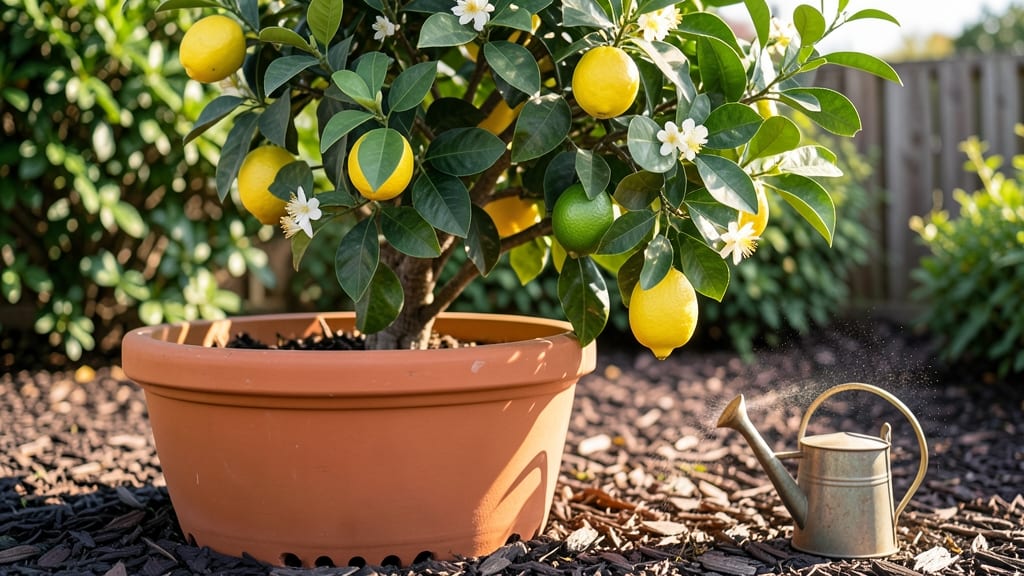
How to take care of a lemon tree in a pot means unlocking the sunlight secrets that keep your tree fruiting all year—even in winter. 🌞 I learned the hard way that potted citrus needs more light than you’d think, and the difference between a thriving tree and a sad, leafy branch is often just a few hours of morning sun. The key is mimicking outdoor conditions: 6-8 hours of direct light daily, a well-draining soil mix, and a container with drainage holes. Most people overwater, thinking citrus loves moisture—it doesn’t. Let the top 2 inches dry out between waterings, and always use room-temperature water to avoid shocking the roots. By spring, you’ll see new growth and maybe even a few tiny lemons forming. The tree’s glossy leaves stay vibrant, and the scent of blossoms fills your space. Prune in late winter to shape the tree and encourage airflow, which keeps pests away. This works for dwarf varieties in small pots or standard trees in large containers. The trick is consistency—light, water, and patience. Let’s get your tree fruiting!
📚 In This Guide
- What you need
- Instructions
- Tips and common mistakes
- Wrapping up and next steps
What you need
- ● Pot: A drainage-heavy container (12–24 inches wide, depending on tree size) with multiple drainage holes (terracotta or fabric pots are ideal).
- ● Well-draining potting mix: A blend of 50% citrus-specific soil, 30% perlite or pumice, and 20% compost (avoid garden soil—it compacts!).
- ● Lemon tree sapling: Choose a dwarf or Meyer lemon variety (hardier for pots) from a nursery.
- ● Fertilizer: A balanced citrus fertilizer (e.g., 6-6-6 NPK) or organic options like fish emulsion or alfalfa pellets.
- ○ Support stake or trellis: For young trees to prevent toppling (optional but helpful for windy spots).
- ● Pruning shears: Sharp, sterilized shears (or small bypass pruners) for shaping and maintenance.
- ● Spray bottle: For light misting (lemon trees love humidity!).
- ● Saucer or tray: To catch excess water and prevent root rot.
- ● pH test kit: To monitor soil acidity (ideal range: 6.0–7.0).
- ○ Mulch (optional): Pine bark or straw to retain moisture (apply lightly around the base).
- ○ Grow lights (optional): LED full-spectrum bulbs for winter supplement if natural light is lacking.
Step-by-step instructions for caring for a potted lemon tree
Here’s how I keep my lemon tree thriving in a pot—with luscious leaves and sweet fruit every year.
☀️ Step 1: Position for Maximum Sunlight
Lemon trees crave 6-8 hours of direct sunlight daily. Place your pot near a south- or west-facing window where it gets bright, unfiltered light. If indoors, supplement with a grow light for 12-14 hours/day during winter months when natural light fades. You’ll know it’s getting enough light when new leaves stay bright green—not yellow or pale.
Rotate the pot quarter-turn weekly so the tree grows evenly. I notice branches leaning toward the light? That’s your cue to move it closer or adjust the grow light. Outdoors, bring the pot inside before temperatures drop below 50°F—cold snaps will kill tender leaves overnight.
💧 Step 2: Water Deeply but Sparingly
Stick your finger 2 inches into the soil—if it feels dry, water until liquid drains from the pot’s bottom holes. Lemon trees hate soggy roots, so let the top 1-2 inches dry out between waterings. Overwatering causes yellow leaves and root rot, while underwatering makes leaves crisp at the edges. I water mine every 5-7 days in summer, reducing to every 10-14 days in winter when growth slows.
Use room-temperature water to avoid shocking the roots. If your tap water is hard (high in minerals), let it sit out overnight before watering. You’ll see the soil’s moisture level change as the tree matures—young trees need more frequent watering than established ones.
🪴 Step 3: Feed and Repot for Growth
Fertilize every 4-6 weeks during spring and summer with a balanced citrus fertilizer (look for equal NPK numbers like 6-6-6). Dilute to half-strength the first few times to avoid burning roots. In fall and winter, cut back to once every 8-12 weeks—the tree rests then. I mix fertilizer into the top inch of soil and water it in thoroughly.
Repot every 2-3 years or when roots circle the pot’s bottom. Choose a container just 2-3 inches larger in diameter—bigger pots hold too much moisture and stunt growth. Use a well-draining mix with perlite or sand to prevent compaction. After repotting, hold off on fertilizing for 4-6 weeks to let the tree recover.
✂️ Step 4: Prune for Shape and Fruit
Prune in late winter or early spring before new growth starts. Remove dead, diseased, or crossing branches first—these compete for energy. Then, trim back leggy growth to encourage bushier shape. Cut just above a leaf node at a 45-degree angle to promote faster healing. You’ll see new shoots forming within 2-3 weeks—that’s your sign the tree is responding well.
Thin fruit clusters to 2-3 lemons per branch when they’re the size of golf balls. Overcrowded fruit strains the tree, leading to small, bitter lemons. Prune suckers (shoots growing from the trunk) immediately—they drain energy from the main structure. Always sterilize pruners with rubbing alcohol between cuts to prevent disease.
🌿 Step 5: Protect from Pests and Seasonal Shifts
Inspect leaves weekly for scale, aphids, or spider mites. Wipe off pests with a damp cloth or spray with neem oil (mix 1 tsp per quart of water). I notice sticky residue on leaves? That’s sap from aphids—treat it immediately before the tree gets stressed. Keep humidity moderate (use a pebble tray under the pot if your home is dry) to deter spider mites.
Acclimate your lemon tree to outdoor conditions gradually in spring. Start with 1-2 hours of shade daily, then increase exposure over 2 weeks. Bring it back inside before nighttime temps drop below 55°F. Mulch the soil surface with 1 inch of pine bark to retain moisture and regulate temperature. This simple step keeps roots happy year-round.
Tips & tricks for perfect lemon tree care in pots
Keeping your potted lemon tree thriving takes just a few key adjustments—here's how to avoid common pitfalls and get the best results.
Sunlight Strategy: If you notice new leaves turning pale or yellow after the recommended 6-8 hours of direct sunlight, your tree might need more light. Try moving it closer to the window or adding a grow light for those winter months when natural light drops to just 12-14 hours/day. I've seen trees with perfect green leaves in south-facing windows but pale ones in east-facing spots—location matters more than you'd think!
Watering Wisdom: The 2-inch soil check is your best friend—if it feels dry at that depth, it's time to water. But here's the thing: I've ruined several trees by overwatering, so always let the top 1-2 inches dry out between waterings. In summer, I water every 5-7 days, but in winter when growth slows, I stretch it to every 10-14 days. Pro tip: Use a moisture meter if you're unsure—it takes the guesswork out of it.
Fertilizer Timing: When you're fertilizing every 4-6 weeks during spring and summer, remember that half-strength is key for the first few applications. I learned this the hard way when my tree's leaves turned brown from over-fertilizing. Also, after repotting, wait 4-6 weeks before fertilizing again—this gives the tree time to recover from the stress of being moved.
Pruning Precision: That 45-degree angle when pruning isn't just for looks—it helps water run off the cut and prevents disease. I always sterilize my pruners with rubbing alcohol between cuts, especially when dealing with diseased branches. And when thinning fruit to 2-3 lemons per branch, make sure they're about the size of golf balls—this gives them room to grow properly without competing for nutrients.
Pro Tips for Take Care Of Lemon Tree In Pot
- Keeping your potted lemon tree thriving takes just a few key adjustments—here's how to avoid common pitfalls and get the best results.
- Sunlight Strategy: If you notice new leaves turning pale or yellow after the recommended 6-8 hours of direct sunlight, your tree might need more light.
- Watering Wisdom: The 2-inch soil check is your best friend—if it feels dry at that depth, it's time to water.
Frequently asked questions
How often should I repot my lemon tree?
Repot your lemon tree every 2–3 years or when roots circle the pot. Spring is ideal—just move it up one pot size (1–2 inches wider) with fresh, well-draining soil. Avoid repotting during fruiting or flowering to reduce stress. Pro tip: Check for roots sneaking out of drainage holes as a sign it’s time!
Can a potted lemon tree survive winter indoors?
Yes! Keep it in a bright, cool spot (50–60°F) away from drafts or heaters. Reduce watering and fertilizing in winter. If leaves yellow or drop, it’s likely overwatering—let the top 2 inches of soil dry out between waterings. A south-facing window is perfect for sunlight.
Why isn’t my lemon tree producing fruit?
Lemon trees need full sun (6+ hours/day), consistent care, and patience—they can take 3–5 years to fruit! Check for:
- Pollination: Gently shake branches or use a small brush to transfer pollen.
- Nutrients: Feed with citrus-specific fertilizer every 2 months in growing season.
- Stress: Avoid sudden temperature/light changes.
What do brown leaves on my lemon tree mean?
Brown leaves usually signal overwatering, underwatering, or pests. Check the soil—if soggy, reduce watering; if dry, water deeply. Inspect for spider mites or scale (sticky residue = sap-sucking pests). Prune affected leaves and treat with neem oil if needed. Quick fix: Adjust watering and boost humidity with a pebble tray!
Can I grow a lemon tree from a grocery store lemon?
Technically yes, but it’s hit-or-miss for fruiting. Save seeds, dry them, then plant in moist soil. Germination takes 4–6 weeks and results in a tree that may not produce true lemons (often sour or seedless). For faster, fruit-bearing results, buy a grafted dwarf variety instead!
Wrapping up and next steps
Caring for a lemon tree in a pot is totally doable—just remember: sunlight, balance, and patience are your best friends! 🌞 With the right mix of light, water, pruning, and a dash of fertilizer, you’ll soon be enjoying homegrown lemons year-round.
Don’t let setbacks discourage you; even seasoned gardeners face challenges, but every healthy leaf is a step closer to that first juicy fruit.
Now that you’re armed with the know-how, go ahead and give your lemon tree the love it deserves. Ready for the next step? Try propagating a cutting or experiment with indoor growing hacks to expand your citrus family! 🍋✨