
Pruning
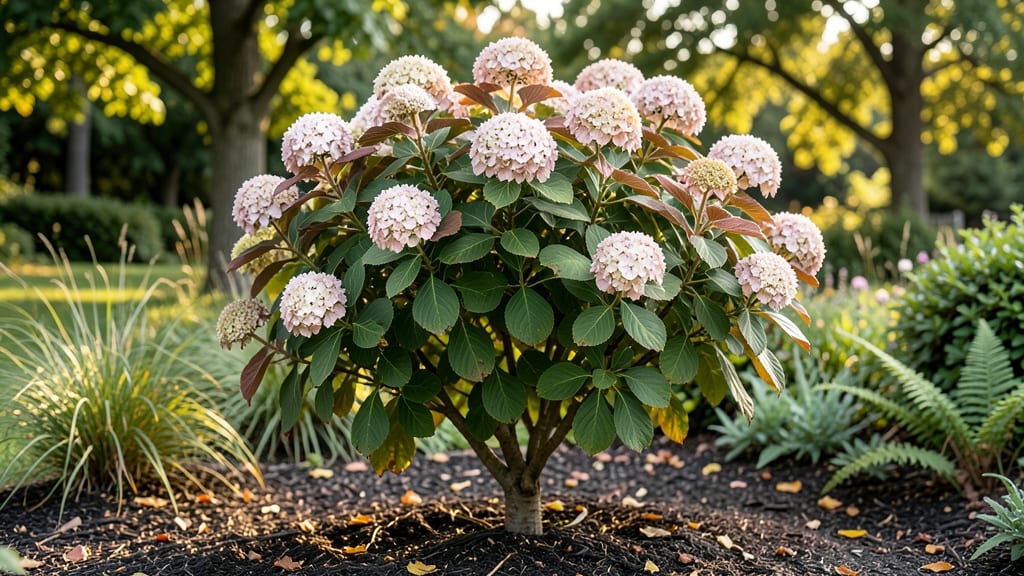
Fall is when your hydrangea tree transforms into a showstopper—but only if you prune it right. ✂️ I’ve watched mine go from a tangled mess to a vibrant winter sculpture just by timing cuts correctly, and the secret lies in understanding when to stop shaping and start protecting.
The magic happens in late fall, after the first hard frost but before sub-freezing temps. This is when you remove dead branches (they’re easy to spot—they’re brown and brittle) and shape the tree to prevent winter wind damage. Hydrangeas are tough, but they reward precise cuts, not aggressive trimming.
By winter, you’ll have a tree with clean lines and sturdy branches, ready to hold snow without breaking. The foliage may fade, but the structure stays strong—no flopping or weak growth come spring. Think of it as giving your tree a haircut and a spa day before hibernation.
This method works for oakleaf, panicle, and smooth hydrangeas alike. Just avoid heavy pruning in early fall—it stresses the plant before winter. Now grab those shears and let’s get to work!
📚 In This Guide
- What you need
- Instructions
- Tips and common mistakes
- Wrapping up and next steps
What you need
- ● Pruning shears or loppers – Bypass pruners (sharp, 6-8" blades) for small branches; loppers (8-10" blades) for thicker stems (up to 1.5" diameter).
- ● Hand pruners – For delicate trimming (4-6" blades).
- ● Disinfectant (70% isopropyl alcohol or bleach solution) – 1 part bleach to 9 parts water (for sterilizing tools).
- ● Garden gloves – Cut-resistant or heavy-duty for protection.
- ○ Pruning saw (optional but helpful) – For branches thicker than 2" diameter.
- ● Marking twine or flags – To tag branches for removal (if needed).
- ● Heavy-duty trash bags – For collecting pruned branches (3-5 gallon size).
- ● Pruning sealant – For large cuts (1" or wider) to prevent disease.
- ● Ladder or step stool – If your hydrangea tree is over 6 feet tall.
- ● Sharpener (file or stone) – To keep blades razor-sharp mid-pruning.
- ● Notebook & pen – To sketch a quick map of your tree’s structure before cutting.
- ○ Mulch or compost – To refresh the base after pruning (optional but great for winter prep!).
How to prune a hydrangea tree for winter success
Fall pruning sets your hydrangea tree up for vibrant spring blooms—here's the exact method I trust every year.
✂️ Step 1: Time Your Pruning Precisely
Wait until late fall, after the first hard frost but before sub-freezing temperatures (below 25°F). This timing prevents new growth that won't harden off before winter. Look for browned leaves that have mostly fallen but still see some green stems—those are your pruning targets.
I always prune on a dry, overcast day to avoid stressing the tree. If you must prune after a frost, wait until the ground thaws slightly—cold soil makes cuts heal poorly. This fall timing also gives the tree time to seal cuts before winter rains.
✂️ Step 2: Remove Dead, Damaged, and Weak Wood
Start by cutting out any dead branches (they'll be completely brown and brittle) and damaged wood (split, cracked, or diseased stems). Use clean, sharp pruners to make 45-degree cuts just outside the branch collar—the swollen area where the branch meets the trunk.
Next, remove weak or crossing branches that rub together. These create wounds and compete for energy. You'll know you're doing it right when you can see light through the center of the tree—this opens up airflow and sunlight for next year's blooms.
✂️ Step 3: Thin Out for Better Airflow
Selectively thin out 20-30% of the branches to improve airflow. Focus on branches growing inward or downward—they block light and trap moisture. Make your cuts just above an outward-facing bud or side branch to encourage new growth in the right direction.
For large hydrangea trees, I step back every few cuts to visualize the shape. The goal is an open, vase-like structure. Avoid heavy pruning—you're not shaping a hedge, just creating space for next year's flower clusters to develop.
✂️ Step 4: Clean Up and Protect Cuts
After pruning, sterilize your tools with rubbing alcohol to prevent spreading disease. Remove all pruned branches from the area—leaving them invites pests and fungal spores. For larger cuts over ½ inch thick, apply a thin layer of pruning sealant to protect against winter sunscald.
Rake up fallen leaves and debris within a 3-foot radius of the tree. This prevents fungal diseases like powdery mildew from overwintering. A 2-inch layer of mulch around the base (but not touching the trunk) helps insulate roots through winter.
⏰ Step 5: Prepare for Winter Dormancy
Water the tree deeply one last time before the ground freezes—this replenishes moisture lost through winter winds. For young trees, wrap the trunk with tree guard to protect against rodent gnawing and sunscald. Older trees usually don't need this, but I always check for signs of voles or rabbits.
Here's the thing—don't fertilize after mid-summer. New growth won't harden off properly before winter. Instead, mark your calendar for early spring when you'll feed with balanced 10-10-10 fertilizer as new growth begins.
Tips & tricks for perfect fall hydrangea pruning
Don't let winter catch your hydrangea off guard—these pro tips will help you prune like a seasoned gardener.
Timing is Everything: That 25°F threshold is non-negotiable. I've learned the hard way that pruning too early can stimulate new growth that won't survive winter, while waiting too long risks leaving the tree vulnerable to winter damage. Check your local frost dates—most regions hit this window between late November and early December. If you're unsure, do the "leaf test": when 70% of leaves have fallen but you still see some green stems, that's your cue.
Tool Prep Matters: Your pruners are the most important tool here. Before you start, sharpen them with a file and sterilize with rubbing alcohol to prevent spreading disease between cuts. I also recommend using bypass pruners for clean cuts—they leave less jagged edges that heal more quickly. For branches thicker than your wrist, grab a pruning saw instead of forcing the shears.
Visualizing the Vase Shape: Step back every 5-10 cuts to check your progress. You're aiming for that classic vase shape where the tree opens up at the top and narrows toward the base. This creates the perfect framework for next year's blooms. Think of it like sculpting—you're removing the "negative space" that blocks light and air. If you're unsure, snap a photo halfway through to compare with your vision.
Winter Protection Secrets: That 2-inch layer of mulch isn't just decoration—it's insulation. For extra protection in harsh climates, consider wrapping the trunk with tree guard or even burlap if you're expecting heavy snow loads. I've also had success with a simple DIY solution: wrapping young trunks with old garden hose pieces cut lengthwise—they're flexible, breathable, and do the job beautifully.
Pro Tips for Hydrangea Tree In Fall
- Don't let winter catch your hydrangea off guard—these pro tips will help you prune like a seasoned gardener.
- Timing is Everything: That 25°F threshold is non-negotiable.
- Tool Prep Matters: Your pruners are the most important tool here.
Frequently asked questions
Got questions about keeping your hydrangea tree stunning in fall and prepped for winter?
Here are some of the most common queries—and answers—to help you prune with confidence!
When is the best time to prune a hydrangea tree in fall?
The ideal window is late fall to early winter (after the first hard frost but before freezing temperatures). This timing ensures you remove dead or weak growth while allowing the plant to recover before dormancy. Avoid pruning too early—new blooms may sprout and get damaged by cold!
How much should I trim back my hydrangea tree in fall?
For most varieties, reduce by 1/3 to 1/2 of the current season’s growth. Focus on:
- Dead, diseased, or crossing branches
- Overcrowded stems
- Weak or leggy growth
Can I prune a hydrangea tree if it’s already blooming in fall?
Yes! If your tree still has flowers, prune after they fade (usually October-November). This prevents removing next year’s buds, which form on old wood. For panicle hydrangeas (like ‘Limelight’), you can trim lightly even with blooms—they flower on new growth.
What if my hydrangea tree isn’t blooming well? Could pruning fix it?
Poor blooms often stem from over-pruning, poor soil, or lack of sunlight. Try these fixes:
- Check soil pH (hydrangeas love acidic soil—aim for 5.5–6.2).
- Fertilize in early spring with balanced, slow-release granules.
- Avoid pruning too late—wait until late winter for heavy cuts.
Do I need to protect my hydrangea tree from winter after pruning?
Most hydrangea trees are hardy, but young or newly pruned trees benefit from light winter care:
- Wrap the trunk with burlap if temps drop below 10°F (-12°C).
- Mulch the base with 3–4 inches of shredded bark to insulate roots.
- Avoid heavy snow buildup—gently brush off branches.
Wrapping up and next steps
Your hydrangea tree is ready to shine in fall—and with the right pruning, it’ll thrive through winter! 🌿 The key takeaway? Timing, technique, and tools make all the difference.
Whether you’re shaping for next year’s blooms or cleaning up spent flowers, a little care now ensures a stunning comeback in spring.
Now that you’re armed with the know-how, grab those shears and give your hydrangea tree the love it deserves. Ready to tackle it? Start pruning today! (And don’t forget to snap a pic of your post-prune progress—we’d love to see it!) 📸