
Pruning
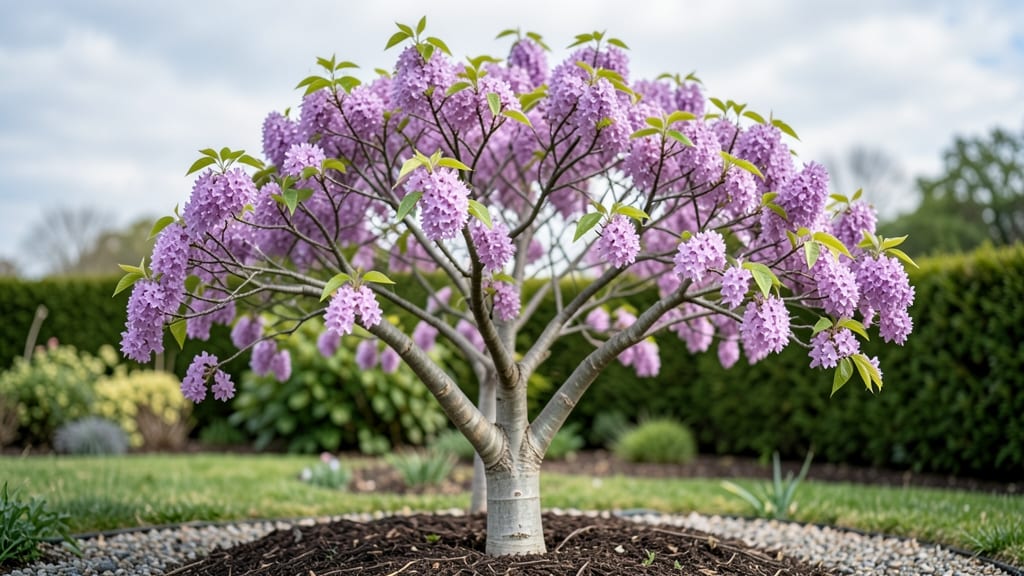
A tree with pink flower clusters transforms any garden into a springtime masterpiece. 🌸 The Eastern Redbud (Cercis canadensis) steals the show with its delicate magenta blooms, while Cherry Blossoms (Prunus serrulata) create dreamy canopies of soft pink.
These trees aren’t just beautiful—they’re versatile, thriving in containers or as stunning focal points.
Redbuds bloom early, often before leaves emerge, creating a breathtaking contrast against bare branches. Cherry Blossoms, with their cascading petals, work perfectly along borders or near patios. Both tolerate pruning, making them ideal for shaping into espalier forms or keeping compact in containers.
Their seasonal timing ensures your garden stays vibrant from late winter through spring.
Pair them with dwarf boxwoods for structure or bleeding hearts for soft groundcover. The combination creates layers of texture and color that draw the eye. Even in small spaces, these trees add drama—whether planted solo as a statement piece or grouped for a romantic, cottage-garden feel.
For container growing, choose smaller varieties like 'Forest Pansy' Redbud or 'Shirotae' Cherry Blossom. Use well-draining soil and ensure pots are large enough to support root growth. With the right placement and care, these pink-flowered trees will be the star of your garden for years to come.
📚 In This Guide
- What you need
- Instructions
- Tips and common mistakes
- Wrapping up and next steps
What you need
- ● Tree: A Lagerstroemia indica (Crape Myrtle) or Cornus florida (Flowering Dogwood) in a 5-7 gallon container (ensure it’s labeled as "container-friendly" for small spaces).
- ● Well-draining potting mix: 10-15 lbs of a blend designed for acid-loving plants (e.g., 60% peat moss, 30% perlite, 10% compost).
- ● Container: A 18-24 inch diameter pot with drainage holes (terracotta or fabric pots recommended for airflow).
- ● Pruning tools: Bypass pruners (for clean cuts on 1/4-inch stems or smaller).
- ● Loppers (for thicker branches, up to 1-inch diameter).
- ○ Sharp pruning saw (optional, for 2+ inch branches).
- ● Disinfectant: 70% isopropyl alcohol or a 10% bleach solution (to sterilize tools between cuts).
- ● Mulch: 2-3 inches of organic mulch (e.g., pine bark fines) to retain moisture.
- ● Gloves: Heavy-duty gardening gloves to protect against thorns or sap.
- ● Hand pruner with a bypass blade: For precision trimming of delicate flower clusters.
- ● Tree tie or soft plant tie: To secure the tree to a stake if needed (especially for young plants).
- ● Slow-release fertilizer: Balanced 10-10-10 or acid-loving plant fertilizer (follow package instructions).
- ● Container saucer or tray: To catch excess water and prevent mess.
How to grow a stunning tree with pink flower clusters in containers
Here's how to bring spring's most vibrant blooms to your patio—no yard required.
🌱 Step 1: Select the Right Tree Variety for Containers
The Japanese cherry tree (Prunus serrulata) or ornamental cherry varieties like 'Kanzan' are perfect for containers, but their roots need space to grow. Look for dwarf cultivars like 'Snow Fountain' or 'Royal Burgundy' that stay under 8-10 feet tall. These thrive in 5-gallon containers or larger, with at least 24 inches of depth for root development.
If you prefer something smaller, ornamental almond trees (Prunus triloba) produce delicate pink clusters and adapt well to containers. Just avoid full-sized fruit trees—they outgrow containers quickly. Check the tag for "container-friendly" labels, as these are bred to handle root restriction.
🪴 Step 2: Prepare the Container and Soil Mix
Choose a lightweight, breathable container with drainage holes—terracotta or fabric grow bags work best. Fill the bottom 2 inches with gravel or expanded shale to improve drainage. This prevents root rot, which is deadly for trees in containers.
Use a well-draining potting mix designed for trees or shrubs—never garden soil. I blend equal parts potting mix, perlite, and compost for aeration and nutrients. Moisten the mix until it holds together when squeezed but doesn’t drip. A slow-release fertilizer (like Osmocote) mixed into the soil provides steady nutrition without burning roots.
☀️ Step 3: Plant at the Right Time and Depth
Plant your tree in early spring, just as buds begin to swell. Dig a hole twice as wide as the root ball but no deeper—this encourages root growth outward into the container. Gently remove the tree from its nursery pot and loosen any circling roots with your fingers.
Place the tree in the hole so the top of the root ball sits 1 inch below the container rim. This prevents soil from washing away during watering. Backfill with your prepared mix, pressing lightly to eliminate air pockets. Water deeply until it drains from the bottom holes—this settles the soil and removes air gaps.
💧 Step 4: Water and Sunlight for Thriving Blooms
Water deeply every 2-3 days in summer, letting the top 2 inches of soil dry out between waterings. Overwatering suffocates roots, while underwatering stresses the tree. In winter, reduce watering to once a week unless temperatures drop below 20°F, when you should protect the container with burlap.
Place the container in full sun (at least 6-8 hours daily) for vibrant blooms. A south- or west-facing spot works best. If you notice leaves yellowing or stems stretching toward light, the tree needs more sunlight. In hot climates, provide afternoon shade to prevent leaf scorch.
✂️ Step 5: Prune and Fertilize for Next Year’s Flowers
Prune immediately after blooming to shape the tree and encourage next year’s flowers. Remove dead, crossing, or weak branches first, then thin out one-third of the oldest stems to improve airflow. Use clean, sharp pruners and make cuts just above a leaf bud or lateral branch.
Apply a balanced fertilizer (like 10-10-10) in early spring and again in mid-summer. Follow the package rates—over-fertilizing burns roots. Mulch the soil surface with 2 inches of bark chips to retain moisture and regulate temperature. Replenish mulch annually, but never let it touch the trunk.
Tips & tricks for perfectly thriving container trees with pink blooms
Here's what I learned after watching my first container tree struggle—and how to avoid those same mistakes.
Container Selection: The 24-inch depth requirement isn't arbitrary—it's about root spread. I learned this the hard way when my first ornamental cherry's roots hit the bottom of a 12-inch pot and started circling. Look for containers with at least 24 inches of depth AND width to prevent this. Terracotta pots actually work better than plastic because they allow moisture to evaporate, which helps prevent root rot.
Soil Mix Secrets: That equal parts potting mix, perlite, and compost blend isn't just random—it's about balance. The perlite prevents compaction while the compost provides nutrients without being too dense. Pro tip: If your mix feels too heavy after watering, add another 10% perlite or vermiculite to improve aeration. I test mine by squeezing—it should hold together but not drip.
Planting Depth: The 1-inch below rim rule prevents soil erosion during watering, but it's also about stability. I've seen trees topple when planted too high—they become unstable. Use a level to ensure your container sits evenly, and consider adding weight (like pebbles) to the bottom if your patio gets windy.
Winter Protection: The 20°F threshold isn't just about temperature—it's about preventing frost heave. When temps drop below this, wrap your container in burlap and move it against a south-facing wall. I've also seen gardeners use insulated plant wraps around the pot itself for extra protection. Don't forget to reduce watering to once a week at this point!
Pro Tips for Tree With Pink Flower Clusters
- Here's what I learned after watching my first container tree struggle—and how to avoid those same mistakes.
- Container Selection: The 24-inch depth requirement isn't arbitrary—it's about root spread.
- Soil Mix Secrets: That equal parts potting mix, perlite, and compost blend isn't just random—it's about balance.
Frequently asked questions
Got questions about growing and caring for trees with pink flower clusters? You're not alone! Here are some of the most common queries—plus straightforward answers to help you keep your container-grown beauty thriving.
When do these trees typically bloom?
Most trees with showy pink flower clusters—like Bradford pear or Japanese cherry—bloom in early to mid-spring, just as buds swell but before leaves fully unfurl. Crape myrtle varieties, however, often bloom later, from summer to early fall. Cold winters can delay blooms, while warm spells may trigger early (and frost-sensitive) flowers.
Can I grow these trees in containers long-term?
Yes! Many pink-flowering trees thrive in containers for years, but they need proper pruning and repotting every 2–3 years. Use a well-draining mix (like 60% potting soil + 30% perlite + 10% compost) and a large pot (18"+ diameter) for stability. Dwarf varieties (e.g., Dwarf Bradford pear) are ideal for containers, while standard trees need annual root pruning to prevent circling roots.
Why aren’t my pink flowers showing up this year?
Missing blooms? Check these common culprits:
- Over-fertilizing with nitrogen (promotes leaves, not flowers). Switch to a low-N, high-phosphorus fertilizer (e.g., 5-10-5) in early spring.
- Insufficient sunlight. Most pink-flowering trees need 6+ hours of sun daily. Move yours to a sunnier spot or supplement with grow lights.
- Stress from drought or overwatering. Let the top 1–2 inches of soil dry between waterings.
- Age or dormancy. Young trees (under 3 years) or newly transplanted ones may delay blooming. Be patient!
What’s a good alternative if I want pink flowers but limited space?
If trees feel too ambitious, try these compact pink-flowering plants for containers:
- Dwarf azalea (3–5 ft tall, blooms spring/summer)
- Weigela (3–5 ft, repeat blooms, deer-resistant)
- Hydrangea ‘Endless Summer’ (compact varieties like ‘Little Lime’)
- Abelia ‘Kaleidoscope’ (pink-white blooms, thrives in heat)
How and when should I prune for more flowers?
Prune after blooming (late spring/early summer) to encourage next year’s flowers. For spring-bloomers (like cherry trees), prune dead or crossing branches only—never cut back flower buds! For summer/fall bloomers (like crape myrtle), prune lightly in late winter to shape, then again after blooming to remove spent flowers. Never prune in fall—it stimulates tender new growth that may frost-damage.
Wrapping up and next steps
From the delicate charm of Bradford Pear to the bold beauty of Crabapple, trees with pink flower clusters bring a burst of color and joy to any space—even small balconies or patios! 🌸 These showstoppers thrive in containers with the right care, making them perfect for urban gardeners or anyone eager to embrace spring’s vibrant energy.
Ready to transform your outdoor space? Start by choosing the right tree for your container size and climate, then follow the pruning and maintenance tips shared here. Grab your shears, get inspired, and let your green thumb shine—your future blooms will thank you!