
Pruning
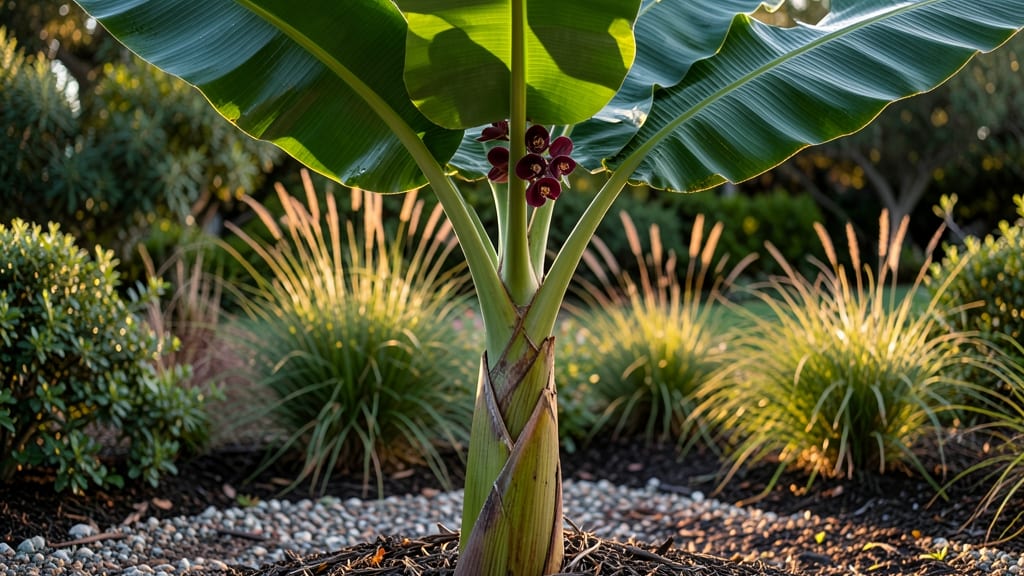
Growing the towering Japanese banana tree (Musa basjoo) feels like bringing a tropical jungle to your temperate yard—without the heat. 🌿 I planted mine in zone 5 last spring, and it’s now a 12-foot vertical statement piece that thrives through our snowy winters.
The secret lies in its cold-hardy nature and dramatic, banana-like leaves that add instant drama to any landscape.
This plant isn’t fussy about soil as long as it’s well-draining, but it loves 6+ hours of sun daily and rich, slightly acidic soil. In my experience, the biggest mistake is overwatering—once established, it’s drought-tolerant, but young plants need consistent moisture.
Fertilize lightly in spring with a balanced formula, and watch those leaves shoot up faster than weeds in summer.
Pruning isn’t just for looks—it’s how you keep your Musa basjoo healthy and manageable. Cut back dead fronds in early spring, and you’ll encourage bold new growth that stays vibrant all season.
Even in winter, the pseudostem (the thick trunk-like base) acts as insulation, so no need for extra protection unless temps drop below -10°F.
Troubleshooting is easy once you know the signs: yellowing leaves mean overwatering, while slow growth often points to poor drainage. My tree once struggled after a summer drought, but a deep watering and a layer of mulch had it thriving again in weeks.
With the right care, this plant rewards you with year-round structure and that exotic vibe—no passport required.
📚 In This Guide
- What you need
- Instructions
- Tips and common mistakes
- Wrapping up and next steps
What you need
- ● Musa basjoo plant: 1 healthy nursery-grown specimen (3–6 ft tall, potted or bare-root). Look for cold-hardy varieties labeled for zones 5–9.
- ● Well-draining soil: 5+ gallons of a mix of 60% potting soil, 30% perlite or pumice, and 10% compost (or use a pre-mixed tropical blend).
- ● Container (if potted): 1 large pot (18–24" diameter) with drainage holes, or a 55-gallon drum for mature plants.
- ● Pruning tools: 1 pair of sterilized bypass pruners (for cutting pseudostems and leaves).
- ● 1 sharp pruning saw (for thick stems, if needed).
- ● Mulch: 2–3 inches of wood chips or straw to retain moisture and protect roots in winter.
- ● Watering can or hose: With a gentle spray nozzle for hydration.
- ● Fertilizer: Balanced 10-10-10 NPK or banana tree-specific fertilizer (apply 2–3 times during growing season).
- ● Root stimulator: 1 bottle of mycorrhizal fungi or seaweed extract to boost root health.
- ● Support structure: 1–2 bamboo stakes or trellis (6+ ft tall) for training vertical growth.
- ● Winter protection: Burlap or frost cloth to shield young plants in zones 5–6.
- ● Gloves: Heavy-duty gardening gloves (banana leaves can be spiky!).
Step-by-step instructions for planting and caring for Japanese banana trees (Musa basjoo)
Here's how to establish your cold-hardy giant with minimal fuss—once planted, these trees thrive with surprisingly little attention.
🌱 Step 1: Select and Prepare the Planting Site
Choose a location with full sun to partial shade (at least 6 hours of direct sunlight daily) and protection from strong winds. The Japanese banana tree tolerates USDA zones 5-9, making it one of the hardiest bananas—it even survives -10°F with proper mulching. Dig a hole twice as wide as the root ball but only as deep, since the crown should sit 1-2 inches above ground level to prevent rot.
Amend the native soil with 3-4 inches of compost mixed into the bottom and sides of the hole. These trees prefer well-draining, slightly acidic soil (pH 5.5-6.5). If your soil is heavy clay, add a shovelful of sand or perlite to improve drainage. I always test the hole by filling it halfway with water—if it drains within 30 minutes, the site is ready.
🪴 Step 2: Plant the Tree with Proper Spacing and Support
Remove the tree from its container and loosen the roots gently if they appear circling. Position the tree in the hole so the crown sits just above soil level—this prevents water from pooling and rotting the base. For 4 trees, space them 10-12 feet apart in a row or 8-10 feet apart in a cluster. Since Musa basjoo grows 10-15 feet tall, plan for vertical space now.
Install a sturdy bamboo or metal support stake (at least 6 feet tall) next to each tree and loosely tie the main stem with soft plant ties as it grows. The tree will lean naturally, but support prevents wind damage and encourages upright growth. Backfill the hole with native soil mixed with compost, tamping gently to remove air pockets. Water deeply to settle the soil.
☀️ Step 3: Water and Mulch for Establishment
Water the newly planted tree deeply once a week for the first month, providing 1-2 gallons per tree each time. After establishment, these trees are drought-tolerant but grow best with 1 inch of water weekly during dry spells. You’ll know moisture is right when the top 2 inches of soil feel damp but not soggy—stick your finger in to check.
Apply a 3-inch layer of organic mulch (wood chips or straw) around the base, keeping it 6 inches away from the trunk to prevent rot. Mulch conserves moisture, regulates soil temperature, and suppresses weeds. Replenish mulch annually in early spring—this is the single most important maintenance task for cold-hardy banana trees.
✂️ Step 4: Fertilize and Prune for Healthy Growth
Feed your Japanese banana tree in early spring with a balanced, slow-release fertilizer (10-10-10) applied at ½ the recommended rate. These trees are light feeders—over-fertilizing leads to weak, floppy growth. In late summer, switch to a potassium-rich fertilizer (5-10-10) to strengthen stems for winter. Water the soil thoroughly before and after fertilizing to prevent root burn.
Prune in late winter or early spring before new growth begins. Remove dead, damaged, or crossing stems at the base with clean, sharp pruners. You can also trim back overly long leaves by one-third to encourage bushier growth. Never prune in fall—new growth won’t harden off before winter, making the tree vulnerable to cold damage.
🌿 Step 5: Protect and Maintain Through Seasons
In fall, apply an additional 4-6 inches of mulch to insulate roots for winter. If you’re in zone 5 or colder, wrap the trunk and canopy with burlap or frost cloth during extreme cold snaps. The tree will lose leaves in winter but regrows quickly in spring—don’t panic if it looks dormant.
Monitor for banana aphids or scale (common pests) by inspecting new growth in spring. Spray infested areas with neem oil or insecticidal soap—these trees rarely need chemical treatments. By year 3, your Musa basjoo will establish a strong root system and require minimal care beyond occasional pruning and mulching. The real reward? Year-round tropical drama in a climate that would kill most bananas.
Tips & tricks for thriving Japanese banana trees
These insights will help you avoid common pitfalls and maximize your Musa basjoo's dramatic potential.
Sunlight Strategy: While the instructions mention full sun to partial shade, I've found that these trees actually perform best with at least 8 hours of direct sunlight daily for optimal growth and fruit production. The 6 hours mentioned is the absolute minimum—more sunlight means more vigorous growth and larger leaves. If your location gets less than 6 hours, consider planting near a south-facing wall or in a container that can be moved seasonally.
Root Ball Prep: When removing your tree from its container, don't just pull it out—gently squeeze the sides of the root ball to encourage roots to spread outward. This mimics natural conditions and helps establish a stronger root system in the new planting hole. If you notice circling roots, make a few vertical cuts with a clean knife to break the cycle before planting. This simple step prevents root girdling that can strangle growth.
Watering Wisdom: The 30-minute drainage test is brilliant, but I've learned to take it a step further. After planting, water deeply every 2-3 days for the first 2 weeks to encourage root establishment, then taper to the weekly schedule. The key is keeping the soil consistently moist but never soggy during this critical period. In containers, you'll need to water more frequently—check moisture daily by sticking your finger 2 inches deep. Overwatering is the #1 killer of these trees, especially in heavy clay soils.
Winter Protection: For zones colder than 5, I recommend going beyond the frost cloth wrap. After the first hard frost, apply a 4-inch layer of straw mulch over the frost cloth, then cover the entire area with a clear plastic sheet secured with bricks or stakes. This creates a mini greenhouse effect that can protect down to -15°F without damaging the tree. Remove the plastic in early spring once temperatures consistently stay above freezing. The extra insulation makes all the difference in harsh winters.
Pro Tips for Japanese Banana Tree Musa Basjoo
- These insights will help you avoid common pitfalls and maximize your Musa basjoo's dramatic potential.
- Sunlight Strategy: While the instructions mention full sun to partial shade, I've found that these trees actually perform best with at least 8 hours of direct sunlight daily for optimal growth and fruit production.
- Root Ball Prep: When removing your tree from its container, don't just pull it out—gently squeeze the sides of the root ball to encourage roots to spread outward.
Frequently asked questions
Can Musa basjoo survive winter in cold climates?
The Musa basjoo is one of the hardiest banana varieties, tolerating temperatures down to 10–15°F (-12 to -9°C) with proper care. Mulch the base heavily with straw or leaves, and wrap the trunk in burlap for extra protection. Young plants may need winter containers or a greenhouse for the first few years. Pro tip: Prune back dead fronds after the last frost to avoid inviting pests into dormant tissue.
When and how should I prune my Musa basjoo?
Prune in late winter or early spring (before new growth starts) to remove dead or damaged fronds. Cut back to the base or leave a few inches of stubble for regrowth. Avoid pruning in fall—it can stress the plant before winter. For size control, trim back overgrown fronds gradually over 2–3 years. Remember: Never prune more than ⅓ of the plant at once!
How fast does Musa basjoo grow, and how big will it get?
This fast-growing giant can add 3–5 feet (1–1.5 m) per year under ideal conditions! Mature plants reach 10–15 feet (3–4.5 m) tall, with some varieties exceeding 20 feet (6 m) in warm climates. Growth slows in cooler zones but resumes vigorously in spring. Space it 6–10 feet (2–3 m) from structures to avoid shading and allow airflow.
What pests or diseases should I watch for?
Common issues include banana aphids, spider mites, and scale insects, which thrive in dry conditions. Treat with neem oil or insecticidal soap. Fungal diseases like anthracnose or leaf spot may appear in humid climates—improve drainage and avoid overhead watering. Act fast: Remove infected fronds immediately and sterilize pruners with rubbing alcohol.
Can I grow Musa basjoo in a pot? What’s the best container size?
Yes! Use a large, sturdy pot (at least 20–24 inches/50–60 cm wide and deep) with drainage holes. Dwarf varieties like ‘Green Giant’ adapt better to containers. Repot every 2–3 years and overwinter indoors if temperatures drop below 15°F (-9°C). Bonus: Add a time-release fertilizer in spring to support potted growth.
Wrapping up and next steps
The Japanese banana tree (Musa basjoo) is a stunning, cold-hardy plant that brings year-round vertical interest to gardens—even in colder climates! With the right pruning techniques, soil prep, and winter care, you’ll enjoy its lush foliage and architectural beauty for decades.
Whether you’re a beginner or a seasoned gardener, this resilient plant rewards patience with minimal fuss.
Ready to transform your space? Start small—plant one Musa basjoo this season and watch it thrive. Need inspiration? Sketch a design for its placement or research companion plants to create a tropical oasis in your yard. Your garden’s next masterpiece is just a few cuts away! 🌿✨