
Pruning
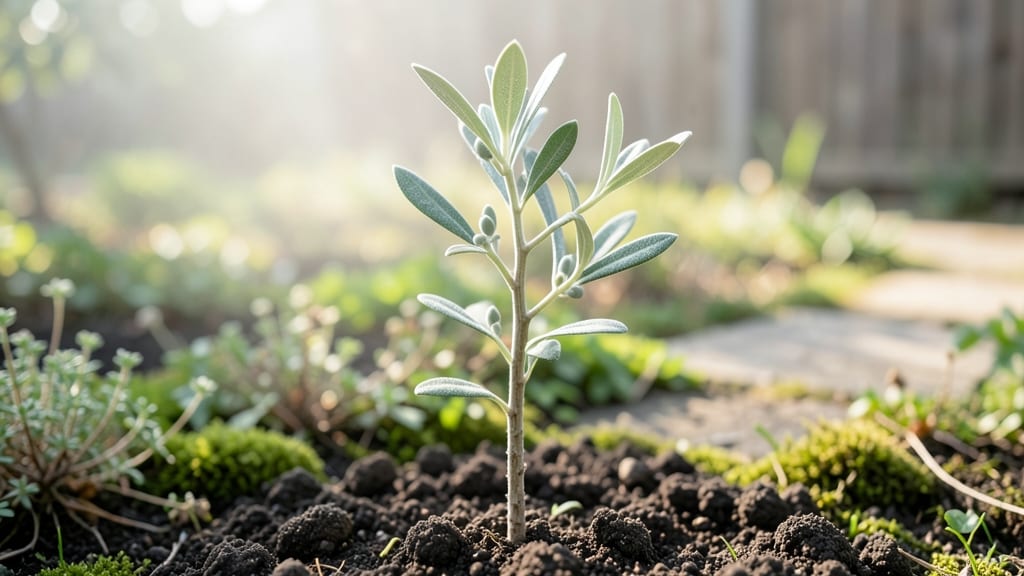
Growing an olive tree from seedling feels like nurturing a tiny piece of the Mediterranean—except now it's thriving in your backyard. 🌱 The key to that lush, fruit-bearing tree starts with the right soil, sunlight, and a pruning schedule that keeps it bushy year-round, not just in its first season.
Olive seedlings need well-draining soil (think sandy loam mixed with perlite) and full sun—at least 6-8 hours daily. Water deeply but infrequently: once a week in summer, every 2-3 weeks in winter.
Most beginners overwater, which drowns the roots. I learned that the hard way after losing my first seedling to soggy soil.
Pruning isn’t just for shaping—it’s how you encourage fruit production. In early spring, cut back one-third of the new growth to promote branching. Repeat lightly in late summer to prevent winter dieback.
With patience, your seedling will mature into a sturdy tree capable of bearing olives in 5-10 years, depending on your climate.
In colder zones, protect young trees with burlap wraps or move potted seedlings indoors before frost. Mediterranean climates? Let them bask in the sun year-round. The biggest mistake? Skipping winter checks—frozen roots are silent killers. Start small, stay consistent, and watch your seedling grow into a productive tree.
📚 In This Guide
- What you need
- Instructions
- Tips and common mistakes
- Wrapping up and next steps
What you need
- ● Olive tree seedling: 1 healthy, disease-free seedling (1–3 years old, preferably grafted for better fruit quality).
- ● Well-draining soil: 5–10 gallons of a mix of 60% potting soil, 30% perlite or coarse sand, and 10% compost (olive trees hate soggy roots!).
- ● Pot or container: 1–2 gallon pot with drainage holes (or a 3–5 gallon pot for older seedlings). Use terracotta or fabric pots for better airflow.
- ● Pruning shears: Bypass pruners (sharp, clean, and disinfected with rubbing alcohol to prevent disease).
- ○ Pruning saw: Optional, for thicker branches (if your seedling has stems wider than ½ inch).
- ○ Rooting hormone: 1 small bottle (optional but helpful for cuttings or replanting).
- ● Mulch: 2–3 inches of wood chips or straw to retain moisture and regulate soil temperature.
- ● Gloves: 1 pair of gardening gloves (olive trees can have thorns!).
- ● Hose or watering can: With a fine spray nozzle for gentle watering.
- ● pH test kit: To ensure soil pH is between 6.0–8.0 (olives prefer slightly alkaline soil).
- ● Fertilizer: Balanced 10-10-10 or olive-specific fertilizer (apply sparingly, 2–3 times per year).
- ○ Support stakes or trellis: Optional, for young seedlings in windy areas (use bamboo stakes or metal cages).
- ● Sunlight: Full sun (6–8+ hours daily). Olive trees are Mediterranean natives and love bright light!
- ● Climate: USDA Zones 8–10 (or indoor grow lights for colder climates).
- ● Water access: Drip irrigation or a self-watering system (olives hate wet feet but need consistent moisture).
Step-by-Step guide to pruning olive tree seedlings for bushy growth
Transform a leggy olive seedling into a sturdy, fruit-bearing beauty with these precision-pruning techniques.
✂️ Step 1: Identify the Right Time for First Pruning
Prune your olive tree seedling in early spring before new growth begins—this is when the tree is most resilient. You'll know it's time when you see buds swelling along the branches and before any fresh leaves emerge. Avoid pruning in fall or winter, as olive trees are sensitive to cold stress, and new cuts won't heal properly.
If you missed the spring window, wait until late spring when the seedling has developed 3-4 sets of true leaves. This ensures the tree has enough energy to recover from pruning. Never prune during fruit development—this weakens the tree and reduces next year's yield.
🌿 Step 2: Remove Dead, Weak, or Crossing Branches
Start by inspecting the seedling for dead wood—branches that are brown, brittle, or have no leaves. Use clean, sharp pruning shears to make 45-degree cuts just above a leaf node or outward-facing bud. Olive trees heal best when cuts are angled to shed water away from the wound.
Next, look for weak or spindly branches—these are thin, pale, and grow straight up without lateral growth. Cut these back to a strong lateral branch or bud. Remove any crossing branches where two stems rub against each other, as this creates wounds that invite disease. If branches are too thick for shears, use a pruning saw for clean cuts.
✂️ Step 3: Shape the Tree for Bushy Growth
To encourage a compact, bushy shape, focus on selective pruning rather than heavy cutting. Start by trimming the topmost leader shoot (the central stem) by one-third to stimulate side branching. This redirecting of energy forces the tree to grow laterally instead of vertically.
Next, prune back the longest lateral branches to a leaf node where you want new growth to emerge. Aim to create an open-center shape—this allows sunlight to penetrate the canopy, which is critical for fruit development. Avoid over-pruning; olive trees respond best to moderate, strategic cuts rather than aggressive thinning.
🌱 Step 4: Encourage Flowering and Fruit Production
Olive trees need balanced pruning to produce fruit. In late winter, just before buds swell, prune to open the canopy by removing overcrowded or inward-growing branches. This improves air circulation and reduces humidity, which prevents fungal diseases like peacock spot, a common olive tree issue.
For established seedlings (over 2 years old), prune to reduce the canopy by no more than 20% in any single session. Focus on removing suckers (shoots growing from the base or trunk) and water sprouts (fast-growing, vertical shoots). These compete with fruit-bearing branches for energy. After pruning, apply a wound sealant to cuts larger than ½ inch to prevent disease entry.
⏰ Step 5: Maintain Year-Round with Light Trimming
Olive trees benefit from light maintenance pruning throughout the year. In summer, remove any damaged or diseased branches immediately to prevent spread. Keep an eye out for shoot growth at the ends of branches—trim these back to encourage lateral bud development, which leads to more fruit-bearing wood.
In fall, do minimal pruning—just remove dead or broken branches. Avoid heavy cuts, as the tree needs to harden off for winter. After pruning, water deeply to help the tree recover. Mulch around the base with 2-3 inches of organic mulch to retain moisture and protect roots from temperature fluctuations.
Tips & tricks for perfect olive tree seedling pruning
These precision techniques will transform your leggy seedling into a thriving, fruit-bearing olive tree.
Timing is Everything: The early spring window—when buds swell but leaves haven't emerged—is critical for first-time pruning. I've seen seedlings stressed when pruned too early (before buds swell) or too late (after leaves appear). If you miss spring, wait until late spring when the seedling has developed 3-4 sets of true leaves. This ensures the tree has enough stored energy to recover. For established trees, late winter pruning (just before buds swell) opens the canopy for better air circulation and fruit development.
The 45-Degree Cut Technique: When removing branches in Step 2, always make clean 45-degree cuts just above a leaf node or outward-facing bud. This angled cut prevents water from pooling on the wound, which olive trees are particularly sensitive to. I learned this the hard way after seeing fungal infections develop on flat cuts. For thicker branches, use a pruning saw to avoid tearing the bark. Remember, olive trees heal best when cuts are precise and properly angled.
Shape with Purpose: In Step 3, when trimming the topmost leader shoot by one-third, you're not just cutting randomly—you're redirecting the tree's energy. This technique forces the seedling to grow laterally instead of vertically, creating that bushy shape we want. For lateral branches, always cut back to a leaf node where you want new growth to emerge. This targeted approach prevents over-pruning, which can stress the tree. Think of it as guiding the tree's growth pattern rather than just hacking away branches.
Seasonal Maintenance Strategy: Olive trees thrive with year-round attention. In summer, focus on removing only damaged or diseased branches immediately to prevent spread. For fall maintenance, limit yourself to dead or broken branches only—avoid heavy cuts as the tree hardens off for winter. After any pruning session, water deeply and apply 2-3 inches of organic mulch to protect roots. This consistent care ensures your seedling develops strong structure and fruit-bearing potential throughout the year.
Pro Tips for Olive Tree Seedling
- These precision techniques will transform your leggy seedling into a thriving, fruit-bearing olive tree.
- Timing is Everything: The early spring window—when buds swell but leaves haven't emerged—is critical for first-time pruning.
- The 45-Degree Cut Technique: When removing branches in Step 2, always make clean 45-degree cuts just above a leaf node or outward-facing bud.
Frequently asked questions
Got questions about growing and caring for your olive tree seedling? You’re in the right place! Here are some of the most common queries—plus quick, actionable answers to keep your young tree thriving.
How long does it take for an olive tree seedling to produce fruit?
Olive tree seedlings grown from seed can take 5–10 years (or even longer) to bear fruit. For faster results, opt for grafted seedlings—these may produce olives in as little as 3–5 years. Patience is key, but proper pruning and care speed up maturity!
When is the best time to prune an olive tree seedling?
Prune your olive tree seedling year-round, but focus on these times:
- Late winter/early spring (just before new growth): Ideal for shaping and removing dead wood.
- Summer (after harvest): Light pruning to encourage bushiness and airflow.
How often should I water an olive tree seedling?
Water deeply 1–2 times per week for the first year, ensuring the soil stays moist but not soggy. Once established (year 2+), reduce to every 2–3 weeks, as olive trees are drought-tolerant. Mulch around the base to retain moisture and regulate soil temperature.
Can I grow an olive tree from a seed, or should I buy a seedling?
Yes, you can grow an olive tree from seed, but it’s a gamble—seeds may not produce true-to-type fruit (or any fruit at all!). For reliability, buy a grafted seedling from a nursery. If starting from seed, soak it in water for 24 hours first to break dormancy.
Why is my olive tree seedling’s leaves turning yellow?
Yellow leaves usually signal overwatering, nutrient deficiency, or root rot. Check the soil—it should drain well. If the roots smell foul or are mushy, trim affected areas and repot in fresh, well-draining soil. Balanced fertilizer (low nitrogen) can also help if the issue is nutritional.
Do olive tree seedlings need full sun, or can they tolerate partial shade?
Olive trees thrive in full sun (6+ hours daily), but young seedlings can tolerate partial shade (4+ hours) if acclimated gradually. Avoid deep shade—it weakens growth and reduces fruit production. If indoors, place near a south-facing window or use grow lights.
Wrapping up and next steps
Growing a thriving olive tree seedling is all about patience, consistency, and a little love! 🌱 With the right pruning techniques—like year-round shaping, disease prevention, and strategic cuts—you’ll nurture a lush, fruitful tree that stands the test of time.
Whether you’re a beginner or a seasoned gardener, every trim brings you closer to that dream harvest.
Ready to take the next step? Start small: grab your pruners, pick a sunny spot, and give your seedling the care it deserves. Before you know it, you’ll be celebrating your first olives—or even sharing tips with fellow gardeners! 🌟