
Trees
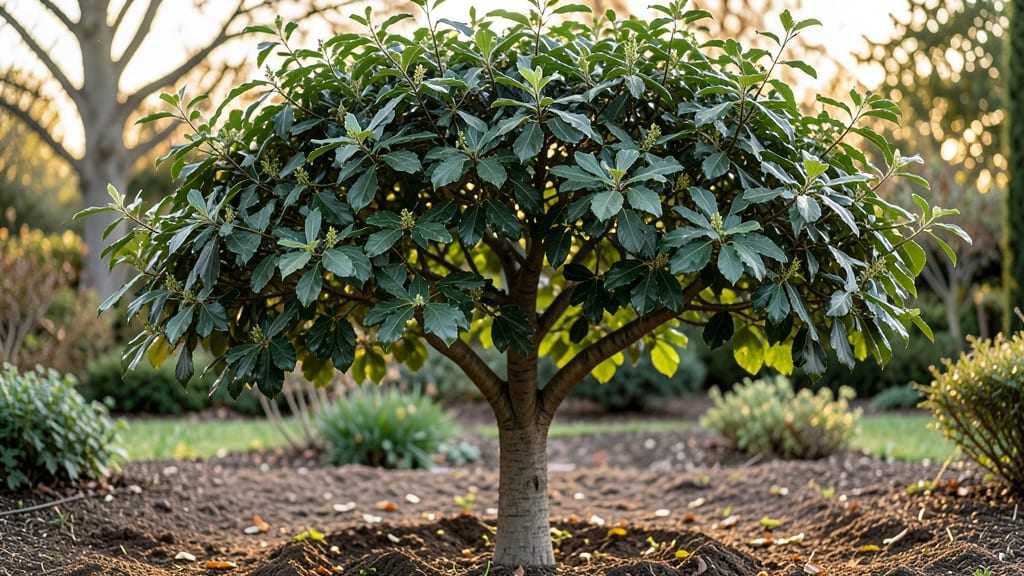
Japanese elm tree leaves turn your yard into a lush, evergreen privacy screen that stays gorgeous year-round. 🌿 I’ve learned the hard way that healthy foliage comes down to just a few key habits—pruning at the right time, watching for pests, and keeping the soil just right.
Skip these, and you’ll end up with yellowing leaves or holes from beetles.
Most problems start with watering or pests—overwatering causes soggy roots, while elm leaf beetles chew through leaves like they’re all-you-can-eat buffets. The fix? A sharp eye for early signs (tiny black beetles or white powdery spots) and quick action: spray with neem oil or introduce ladybugs.
With the right care, your tree’s glossy green leaves will stay vibrant from spring through winter.
📚 In This Guide
- What you need
- Instructions
- Tips and common mistakes
- Wrapping up and next steps
What you need
- ● Japanese Elm Tree Sapling: 1–3 trees (depending on desired width and spacing—aim for 15–20 feet apart for mature trees).
- ● Size: 1–3 gallons (young trees) or balled-and-burlapped (B&B) for larger specimens.
- ● Species tip: Look for Ulmus davidiana or Ulmus parvifolia (Siberian or Lacebark Elm, respectively).
- ● Planting Supplies: High-quality native soil or loamy mix (1–2 bags, ~40 lbs each).
- ● Organic compost or well-rotted manure (1–2 cubic feet per tree).
- ● Slow-release balanced fertilizer (10-10-10 or 5-5-5, ~1 lb per tree).
- ● Tools: Shovel or spading fork (for digging holes 2–3x wider than the root ball).
- ● Wheelbarrow (for mixing soil amendments).
- ● Garden hose with nozzle (for deep watering).
- ● Pruning shears or loppers (for shaping and maintenance).
- ● Mulch (3–4 inches of wood chips or pine straw, ~1 cubic yard per 100 sq ft).
- ● Root stimulator (e.g., Mycorrhizal fungi powder) to boost early growth.
- ● Tree stakes and ties (if planting in windy areas—use 3–4 ft stakes).
- ● Soil moisture meter to monitor watering needs (especially in drought-prone areas).
- ● Fungicide (e.g., copper-based spray) for preventive care against elm leaf spot.
- ● Decorative edging (e.g., landscape fabric or rocks) to define the privacy screen.
How to plant and maintain a Japanese elm for a low-maintenance privacy screen
Here's the simple approach I've used for years to create lush, evergreen privacy—no fuss, just beauty.
🌱 Step 1: Choose the Perfect Planting Spot
Japanese elms thrive in full sun to partial shade (at least 4-6 hours of sunlight daily). I always look for areas with 6-8 feet of space between the tree and structures—elms grow wide, not just tall. The roots spread aggressively, so avoid planting near sidewalks, driveways, or foundation walls.
Dig a hole twice as wide as the root ball but no deeper. Loosen the soil at the bottom of the hole with your shovel to encourage root spread. Here's the thing—Japanese elms hate soggy feet, so if your soil drains poorly, amend the bottom of the hole with 2-3 inches of coarse sand or gravel before adding backfill.
🪴 Step 2: Plant with Proper Spacing and Support
Remove the tree from its container and gently tease apart the roots if they're circling. Place the root ball in the hole so the top sits 1-2 inches above ground level—this prevents water from pooling at the base. Backfill with native soil, tamping lightly every 6 inches to remove air pockets.
For a privacy screen, plant 4 trees spaced 10-12 feet apart in a straight line. Stake each tree only if needed (young trees in windy areas), using 2 stakes per tree positioned 18 inches apart. Tie the trunk loosely with soft fabric strips—never wire, which can girdle the bark as it grows.
☀️ Step 3: Water Deeply and Mulch Correctly
Water immediately after planting, soaking the root zone until water runs out the bottom of the hole. Then water every 2-3 days for the first month until the soil feels 6 inches deep and uniformly moist. After that, water once a week in summer (more often in extreme heat) and monthly in winter—Japanese elms are drought-tolerant once established.
Spread 3-4 inches of mulch (wood chips or shredded bark) in a 3-foot diameter circle around each tree, keeping it 6 inches away from the trunk. This conserves moisture, suppresses weeds, and protects roots from temperature swings. Refresh the mulch annually—never let it pile up against the trunk.
✂️ Step 4: Prune for Shape and Health
Prune in late winter or early spring before new growth begins. Remove any dead, diseased, or crossing branches first, then thin the canopy to improve airflow. Japanese elms naturally grow with a rounded shape, so I only prune to maintain that form—never shearing into a formal hedge shape.
Use clean, sharp pruners to make cuts just outside the branch collar (the swollen area where the branch meets the trunk). For larger branches, make a 3-inch undercut first to prevent tearing. Here's where it gets fun—watch how the new growth fills in any gaps within a season.
🌿 Step 5: Protect and Enjoy Year-Round
Japanese elms resist most pests and diseases, but watch for elm leaf beetles in summer. If you see skeletonized leaves, treat with horticultural oil or insecticidal soap. The trees handle urban pollution well, making them perfect for city lots.
In 5-7 years, your screen will reach 20-30 feet tall with a 15-20 foot spread, providing dense, year-round privacy. The secret to longevity? Minimal intervention. Just keep the soil moist the first year, mulch annually, and prune occasionally—your Japanese elms will reward you with decades of effortless greenery.
Tips & tricks for perfect Japanese elm privacy screens
These simple strategies will help your Japanese elms grow into a lush, low-maintenance privacy screen faster than you'd expect.
Sunlight Strategy: While Japanese elms tolerate partial shade, they truly thrive with at least 4-6 hours of direct sunlight daily—this is non-negotiable for that dense, year-round foliage. I've seen trees in shadier spots grow more slowly and develop sparse canopies. If your yard has limited sunlight, position your screen where it gets the most exposure during the morning hours when the sun is less intense.
Root Zone Prep: The secret to preventing root rot in Step 1 lies in that 2-3 inches of coarse sand or gravel you add to the hole bottom. Don't skip this if your soil drains poorly—Japanese elms hate soggy roots. I've seen trees planted in heavy clay soil struggle until we amended the planting hole properly. Pro tip: Test your soil's drainage by digging a small hole and filling it with water—if it doesn't drain within 30 minutes, you need that amendment.
Staking Wisdom: Only stake young trees in windy areas, but here's what nobody tells you—remove stakes after just 6-12 months, even if the tree seems stable. I've seen trees become dependent on stakes and develop weak trunks. Use soft fabric strips (never wire) and check them monthly to ensure they're not cutting into the bark as the tree grows.
Mulching Mastery: That 3-4 inches of mulch in a 3-foot diameter circle isn't just decoration—it's your moisture shield. Refresh it annually, but here's the critical part: keep it 6 inches away from the trunk to prevent rot. I like to use wood chips because they break down slowly, but shredded bark works too. The key is maintaining that proper distance from the trunk—it's easy to forget when you're excited about your new trees!
Pro Tips for Japanese Elm Tree Leaves
- These simple strategies will help your Japanese elms grow into a lush, low-maintenance privacy screen faster than you'd expect.
- Sunlight Strategy: While Japanese elms tolerate partial shade, they truly thrive with at least 4-6 hours of direct sunlight daily—this is non-negotiable for that dense, year-round foliage.
- Root Zone Prep: The secret to preventing root rot in Step 1 lies in that 2-3 inches of coarse sand or gravel you add to the hole bottom.
Frequently asked questions
Got questions about Japanese elm tree leaves?
Here are answers to the most common ones—from care tips to troubleshooting—so you can keep your privacy screen thriving with ease!
How fast do Japanese elm tree leaves grow?
Japanese elm trees grow moderately fast—expect about 12–24 inches per year under ideal conditions. Their leaves sprout in spring and turn golden-yellow in fall, offering year-round visual interest. For a quick privacy screen, plant multiple saplings for faster coverage!
Why are my Japanese elm leaves turning yellow?
Yellowing leaves are usually normal in fall, but if it happens out of season, check for:
- Overwatering (root rot risk!)
- Nutrient deficiency (fertilize lightly in spring)
- Pests (aphids or spider mites)
Can I use Japanese elm leaves for mulch or compost?
Yes! Japanese elm leaves are great for mulch—they break down slowly, retaining moisture and suppressing weeds. For compost, shred them first to speed up decomposition. Pro tip: Avoid overloading your compost pile, as too many leaves can create a mat that slows the process.
Are Japanese elm leaves toxic to pets?
Japanese elm trees are non-toxic to dogs and cats, making them a pet-friendly choice! However, always monitor your pets when they’re near trees—ingesting large amounts of any plant material can cause mild stomach upset.
What’s a good alternative if I don’t want Japanese elm?
If you’re looking for low-maintenance privacy screens, consider:
- Leyland cypress (fast-growing, evergreen)
- Arborvitae (drought-tolerant, dense foliage)
- Cherry laurels (glossy leaves, shade-tolerant)
Wrapping up and next steps
Japanese elm tree leaves offer a low-maintenance, year-round solution for privacy and beauty in your outdoor space. Their lush, serrated foliage thrives in various climates, providing shade and visual appeal with minimal upkeep—perfect for busy homeowners or eco-conscious gardeners.
Whether you're planting a new tree or enhancing an existing landscape, this versatile option delivers effortless elegance without compromising durability.
Ready to transform your yard? Start small! Research local nurseries, test soil conditions, and plant just one tree to see the difference. Before you know it, you’ll have a privacy haven that’s as stunning as it is stress-free. 🌿✨