
Container Gardens
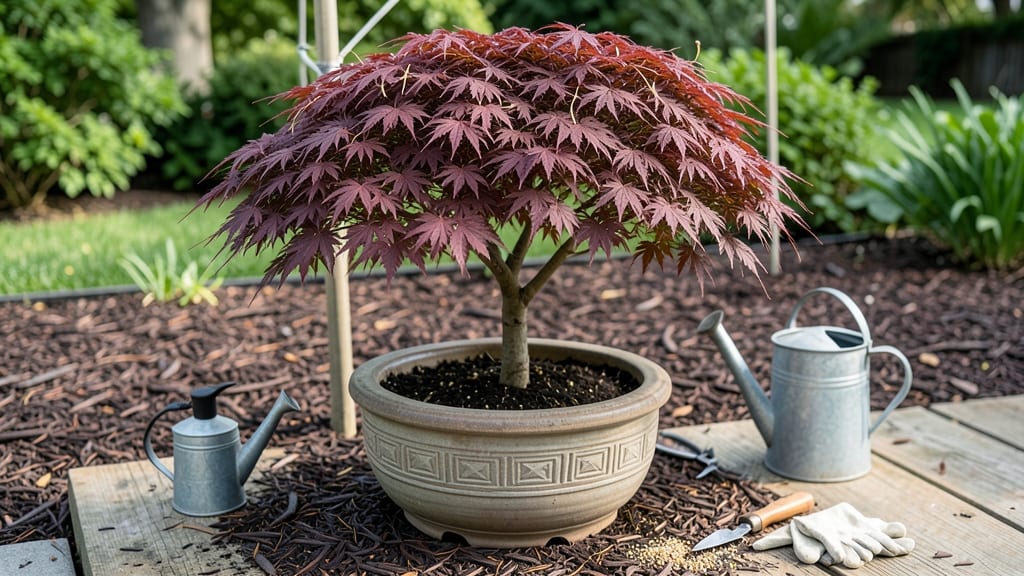
Caring for a Japanese maple tree in pots transforms your patio into a living art piece. 🌿 These dwarf varieties thrive when you mimic their forest-floor habitat—moist, acidic soil, and dappled shade. My Bloodgood maple has been gracing my balcony for five years, its fiery leaves drawing compliments year-round.
The secret lies in 3 key elements: well-draining soil mix (equal parts potting soil, peat, and perlite), consistent moisture (never soggy), and winter protection (burlap wrap and frost cloth). Most people overwater or underestimate winter prep—that’s when roots suffer.
I’ve learned to check soil moisture weekly, even in winter, and move pots to sheltered spots before the first frost. By summer’s end, you’ll have a lush, compact tree with vibrant foliage that outshines store-bought decor.
The branches stay proportionate when you prune in late winter, shaping them like a bonsai artist. Your neighbors will assume you’ve had this skill for decades—no one will know it’s just good care. This works for any dwarf variety—Shishigashira, Black Dragon, or Green Cascade.
The same principles apply whether you’re in a sunny courtyard or a shady balcony. Let’s get your potted maple thriving for years to come.
📚 In This Guide
- What you need
- Instructions
- Tips and common mistakes
- Wrapping up and next steps
What you need
- ● Container: A well-draining pot (12–18" diameter for dwarf varieties like 'Bloodgood' or 'Dwarf Empress'; larger for mature trees). Opt for terracotta, ceramic, or high-quality plastic with drainage holes.
- ● Potting Mix: 1–2 bags (5–10 gallons) of high-quality, well-draining mix (e.g., 50% premium potting soil + 50% perlite/orchid bark for aeration). Avoid garden soil—it compacts and suffocates roots!
- ● Japanese Maple Tree: A dwarf cultivar (3–6 ft at maturity) from a reputable nursery. Check for healthy foliage, no pests, and sturdy roots.
- ● Drainage Layer: 1–2 inches of gravel, pumice, or expanded clay pellets to prevent root rot.
- ● Fertilizer: Balanced, slow-release fertilizer (e.g., 10-10-10 or 20-20-20) or organic options like fish emulsion. Apply every 4–6 weeks in growing season.
- ● Watering Can or Hose: With a gentle spray nozzle to avoid displacing soil.
- ● Pruning Tools: Bypass pruners (for clean cuts on small branches).
- ● Sterilizing solution (rubbing alcohol or bleach) to prevent disease.
- ● Mulch: Organic mulch (e.g., pine bark fines) to retain moisture and regulate soil temp.
- ● Support Stake: For young trees in windy areas (use bamboo stakes + soft ties).
- ● pH Test Kit: To monitor soil acidity (Japanese maples thrive in pH 5.0–6.5).
- ● Shade Cloth: 30–50% coverage if your tree gets harsh afternoon sun.
- ● Decorative Accents: Moss, pebbles, or a wind chime for a Zen-inspired container garden!
Step-by-step instructions for Japanese maple tree care in pots
Here’s how to keep your dwarf Japanese maple thriving in containers with minimal fuss.
🪴 Step 1: Select the Right Pot and Soil Mix
Choose a container 2-4 inches wider than the root ball—just enough room for roots to spread without becoming root-bound. Terra cotta pots work best because they allow excess moisture to evaporate, preventing soggy roots. Avoid plastic, which traps humidity and encourages fungal diseases.
Use a well-draining, acidic soil mix (pH 5.0-6.5). I blend equal parts high-quality potting soil, perlite, and peat moss to ensure aeration while retaining moisture. Avoid garden soil—it compacts too easily and suffocates delicate roots. Amend with a handful of slow-release fertilizer at planting to provide steady nutrients.
☀️ Step 2: Position for Light and Shelter
Japanese maples need dappled sunlight—at least 4-6 hours of morning sun and afternoon shade, especially in hot climates. A spot under a tree or on a shaded patio works perfectly. Too much direct sun scorches leaves, while too little shade weakens growth. Watch for yellowing leaves or leaf scorch—these are your cues to adjust placement.
Protect your tree from strong winds, which dry out leaves and stress the plant. A sheltered corner or a windbreak (like a lattice screen) helps maintain moisture and leaf integrity. In winter, move pots to a protected area (like a garage or under an overhang) if temperatures drop below 10°F—even dwarf varieties can suffer cold damage.
💧 Step 3: Water Deeply and Consistently
Water deeply once a week (or more often in heatwaves) until water drains from the bottom. Let the top inch of soil dry out between waterings—overwatering is the fastest way to kill a potted Japanese maple. Use lukewarm water to avoid shocking the roots, and water at the base of the plant to keep leaves dry and prevent fungal issues.
Mulch with 1-2 inches of pine bark or wood chips to retain moisture and regulate soil temperature. Avoid organic mulches like straw, which can compact and suffocate roots. In winter, add an extra layer of mulch to insulate roots from freezing temperatures.
✂️ Step 4: Prune for Shape and Health
Prune in late winter or early spring before new growth begins. Remove dead, crossing, or weak branches first to improve airflow and structure. Use clean, sharp pruners to make cuts just above a bud or leaf node—never leave stubs, which invite disease. Thin out crowded branches to maintain an open, airy canopy.
Shape the tree by pinching back new growth in early summer if it becomes leggy. This encourages bushier growth and prevents the tree from becoming top-heavy. Avoid heavy pruning in fall—it stimulates tender new growth that won’t harden off before winter.
🌿 Step 5: Fertilize and Monitor for Pests
Feed with a balanced, slow-release fertilizer (10-10-10) in early spring and mid-summer. Over-fertilizing burns roots and causes leaf burn. Water deeply after fertilizing to help nutrients distribute evenly. Yellow leaves in spring often signal nutrient deficiency—a light application of iron chelate can restore vibrancy.
Watch for aphids, spider mites, or scale insects, which thrive on stressed plants. Wipe leaves with a soapy water solution (1 tsp mild soap per gallon of water) to deter pests. Avoid chemical sprays—they can damage delicate foliage. If pests persist, isolate the tree and treat with neem oil, a natural and effective remedy.
Tips & tricks for perfect Japanese maple tree care in pots
These small but mighty details make all the difference for your dwarf Japanese maple's long-term health.
Container Selection: When choosing your pot, prioritize terra cotta over plastic—it breathes better and helps prevent root rot. I've found that adding drainage holes (if not factory-installed) is worth the effort. For larger varieties, consider a pot with built-in saucers to catch excess water without spilling onto patio surfaces. The 2-4 inch rule for pot width is non-negotiable—this prevents root circling while allowing proper growth.
Soil Mix Secrets: The pH 5.0-6.5 range is crucial for your tree's health. To maintain this acidic environment, I recommend adding a handful of sphagnum peat moss to your soil mix—it naturally lowers pH while improving moisture retention. For an extra boost, mix in a small amount of worm castings at planting time, which provide gentle, long-lasting nutrients without burning delicate roots.
Light Positioning: That 4-6 hours of morning sun is your sweet spot—think of it as the tree's "goldilocks zone." If you notice leaves curling or developing brown edges, you're likely getting too much direct sun. For indoor care, position your tree near an east-facing window where it receives gentle morning light without harsh afternoon rays. Rotate the pot every few weeks to ensure even growth all around.
Winter Protection: Don't let those temperatures drop below 10°F trick you into thinking dwarf varieties are indestructible. I've seen even hardy dwarf maples suffer from cold snaps when left exposed. For extra protection, wrap the pot in bubble wrap or use a tree-specific blanket, leaving the top exposed for airflow. Water sparingly during winter months—roots are less active and need less moisture.
Pro Tips for Japanese Maple Tree Care In Pots
- These small but mighty details make all the difference for your dwarf Japanese maple's long-term health.
- Container Selection: When choosing your pot, prioritize terra cotta over plastic—it breathes better and helps prevent root rot.
- Soil Mix Secrets: The pH 5.0-6.5 range is crucial for your tree's health.
Frequently asked questions
Got questions?
Japanese maple trees in pots are stunning but require some TLC—here are answers to the most common queries to keep your dwarf variety thriving in small spaces!
How often should I water my potted Japanese maple?
Water your potted Japanese maple when the top 1-2 inches of soil feel dry. In summer, this could mean daily watering, while winter may only require weekly checks. Pro tip: Use well-draining soil and a pot with drainage holes to prevent root rot.
Can I keep my potted Japanese maple outside year-round?
It depends on your climate! If you live in USDA Zones 5-8, protect your tree from harsh winters by wrapping the pot in burlap and moving it to a sheltered spot (like a garage). In colder zones, overwinter indoors near a bright window or use a grow light. Warning: Sudden temperature swings can stress the tree.
Why are the leaves turning yellow or brown?
Yellow leaves often signal overwatering or nutrient deficiency, while brown edges can mean underwatering or sunburn. Check the soil moisture and adjust care. Feed with a balanced fertilizer (like 10-10-10) in spring and summer. Pest check: Spider mites or aphids can also cause browning—treat with neem oil if needed.
How big should the pot be for a dwarf Japanese maple?
Start with a pot 2-3 inches larger in diameter than the root ball. Dwarf varieties (like ‘Mikura’ or ‘Little Princess’) thrive in 10-15 gallon pots for years. Upgrade to a 1-gallon-larger pot every 2-3 years to accommodate growth. Tip: Use lightweight pots to make moving easier!
What’s the best soil mix for potted Japanese maples?
Use a well-draining mix of 50% acidic potting soil, 30% perlite or pumice, and 20% organic matter (like compost or pine bark). Avoid heavy garden soil—it compacts and suffocates roots. pH tip: Aim for 5.0-6.5 to mimic their forest floor habitat.
Can I prune my potted Japanese maple anytime?
Prune in late winter or early spring (before new growth) to shape the tree and remove dead branches. Avoid heavy pruning in summer—it stresses the tree. Use clean, sharp shears and seal larger cuts with pruning paste to prevent disease. Goal: Maintain an open center for airflow.
Wrapping up and next steps
Caring for a Japanese maple tree in pots is all about balance—sunlight, water, and a little TLC go a long way in keeping your dwarf variety thriving in small spaces. 🌿 With the right container, soil, and seasonal adjustments, you’ll enjoy its stunning foliage for years to come.
Now that you’re armed with the secrets, why not grab a pot and get growing? Start with a healthy sapling, follow the tips, and watch your tiny masterpiece become the star of your garden oasis!
🌱 Next Steps:
- Pick your favorite dwarf variety and shop for supplies!
- Check local nurseries for acidic, well-draining soil or mix your own.
- Tag us in photos of your potted Japanese maple—we’d love to see your progress! 📸