
Pruning
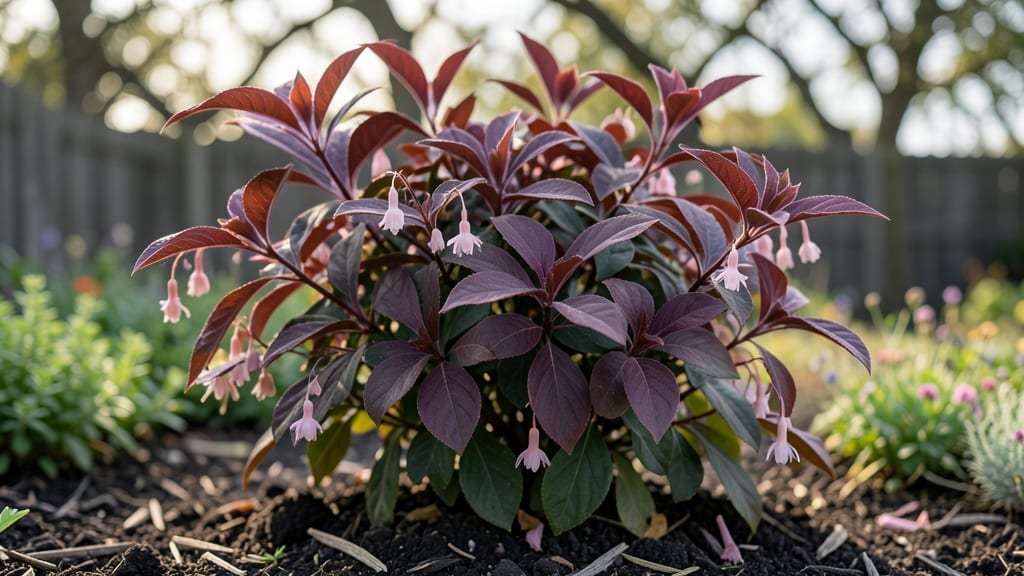
The loropetalum tree height you end up with depends entirely on how you prune it—because this stunning evergreen can stretch from 3 feet to over 10 feet if left unchecked.
Picture this: You plant a Purple Pixie in your front yard, excited for its compact 3-5 foot promise, only to watch it shoot up like a weed by summer. That’s where most gardeners go wrong—they underestimate how fast these trees grow when given free rein.
But here’s the good news: With the right timing and techniques, you can keep your loropetalum 🌿 at your ideal height, whether you want a low hedge, a medium shrub, or even a small tree. I’ll walk you through the pruning schedule, tools, and tricks that actually work—no guesswork involved.
You’ll also discover how cultivars like 'Rhapsody' stay shorter naturally, when to prune for maximum blooms, and the one mistake that causes uncontrolled growth (spoiler: it’s not what you think). Let’s get started.

Understanding loropetalum growth habits and natural height limits
If you've ever wondered why your loropetalum tree seems to grow faster than expected or how to control its natural height limits, you're not alone. This stunning evergreen can reach 6-12 feet tall in ideal conditions, but its growth patterns vary dramatically between cultivars and species.
Understanding these differences is key to managing its size and shape in your landscape.
The most common species, Loropetalum chinense, is native to Asia and thrives in USDA Zones 6-9. Its growth rate accelerates in full sun conditions with well-draining, acidic soil (pH 5.0-6.0).
Without proper care, it can quickly outgrow its intended space, making early awareness of its growth habits essential for long-term success.
Here’s a quick comparison of how different loropetalum varieties mature, including their height ranges and growth rates:
| Variety | Mature Height | Growth Rate (Year 1-3) | Best For |
|---|---|---|---|
| Loropetalum chinense (Standard) | 8–12 ft | 2–4 ft/year | Hedges, privacy screens |
| Loropetalum 'Purple Pizzazz' | 5–8 ft | 1–3 ft/year | Foundation plantings |
| Loropetalum 'Purple Pixie' | 3–5 ft | 1 ft/year | Containers, small gardens |
| Loropetalum 'Rhapsody' | 6–10 ft | 2–3 ft/year | Specimen planting |
| Loropetalum 'Yoda' (Dwarf) | 2–3 ft | 0.5–1 ft/year | Borders, rock gardens |
Seasonal growth is another critical factor in managing your loropetalum's height. Most varieties experience their fastest growth in spring and early summer, when temperatures rise and daylight hours increase.
This is also when you’ll see the most new foliage production, which is ideal for shaping the plant through pruning.
In late summer and fall, growth slows as the plant prepares for dormancy. This is a great time to assess your pruning needs for the following year, as the plant’s structure becomes more visible without the distraction of new leaves.
Avoid heavy pruning during this period, as it can stress the plant before winter.
If you’re growing loropetalum in containers, expect slightly slower growth due to root restriction. However, even dwarf varieties like 'Purple Pixie' can outgrow their pots if not pruned regularly.
Always choose a container with drainage holes and use a well-draining potting mix to prevent root rot, which can stunt growth.
One common misconception is that loropetalum trees grow at the same rate year-round. In reality, their growth is highly season-dependent. For example, in Zone 6, growth may stall after the first frost, while in Zone 9, it can continue year-round with minimal slowdown.
Adjust your pruning schedule accordingly to avoid over-trimming during inactive periods.
For those with limited space, dwarf cultivars like 'Yoda' or 'Purple Pixie' are excellent choices. These varieties naturally stay under 5 feet tall and are perfect for small gardens, containers, or foundation plantings.
Even with these compact options, regular light pruning (2-3 times per year) will help maintain their shape and encourage bushier growth.
When planning your landscape design, consider the mature height of your chosen variety. A 10-foot loropetalum planted near a patio or driveway will eventually cast shade and may require more frequent pruning to keep it manageable.
Always leave at least 3-4 feet of clearance above walkways or structures to allow for future growth.
Finally, remember that loropetalum's natural height is influenced by more than just genetics. Factors like soil quality, sunlight exposure, and watering habits play a significant role. For instance, plants grown in partial shade may grow slightly slower but produce darker foliage.
Experiment with these variables to find the ideal balance for your climate and garden style.
Step-by-step pruning guide for controlling loropetalum tree height
Pruning your loropetalum isn't just about trimming back overgrowth—it's about shaping its future. This stunning evergreen responds beautifully to strategic cuts, but timing and technique make all the difference.
Whether you're working with the dwarf 'Purple Pixie' or a standard Loropetalum chinense, the right approach keeps your plant lush and proportionate while encouraging healthy new growth.
I've pruned my own loropetalums for years, and I've learned that seasonal timing and cutting methods determine whether your plant stays compact or shoots up uncontrollably. Spring is ideal for shaping, summer pruning controls flowering, and late fall cleanups prevent winter damage.
Let's break down the exact steps to maintain your desired height while keeping your plant thriving.
🌿 Seasonal Pruning Schedule for Loropetalum Height Control
-
Step 1: Early Spring (March-April)
Remove dead or crossing branches first using sharp bypass pruners. Cut just above a bud or lateral branch to encourage outward growth. This is when your loropetalum wakes up—prune 1/3 of total growth to shape before new shoots emerge. -
Step 2: Late Spring (May)
Focus on heading back overgrown stems by cutting just above a leaf node. Avoid cutting into old wood, which won't regrow. For dwarf varieties, limit cuts to 1/4 of the plant's height to maintain compactness. -
Step 3: Summer (June-August)
Lightly thin out interior branches to improve airflow and sunlight penetration. Use hand pruners for small stems and loppers for thicker growth. Never remove more than 10% of foliage in summer to avoid stress. -
Step 4: Late Fall (October-November)
Perform a cleanup prune to remove weak or diseased growth. Disinfect tools with rubbing alcohol between cuts. Avoid heavy pruning—just tidy up to prevent winter damage.
Your pruning tools are just as important as your technique. I recommend keeping these essentials handy: bypass pruners for clean cuts, loppers for thicker branches, and a sharp pruning saw for any stubborn wood.
Never use dull tools—they crush stems instead of making clean cuts, which invites disease. After each session, wipe your tools with isopropyl alcohol to prevent bacterial spread between cuts.
Post-pruning care is where many gardeners fall short. After trimming, give your loropetalum a deep watering to help it recover. Apply a layer of mulch around the base (but not touching the trunk) to retain moisture and regulate soil temperature.
For heavy pruning sessions, consider a light application of balanced fertilizer (like 10-10-10) in early spring to support new growth.
Remember, patience is key—loropetalums respond gradually to pruning. If you've let your plant grow too tall, don't panic. Focus on gradual reduction over multiple seasons rather than drastic cuts.
With consistent care, even a 10-foot monster can be transformed into a well-shaped 5-foot shrub in just a couple of years.