
Container Gardens
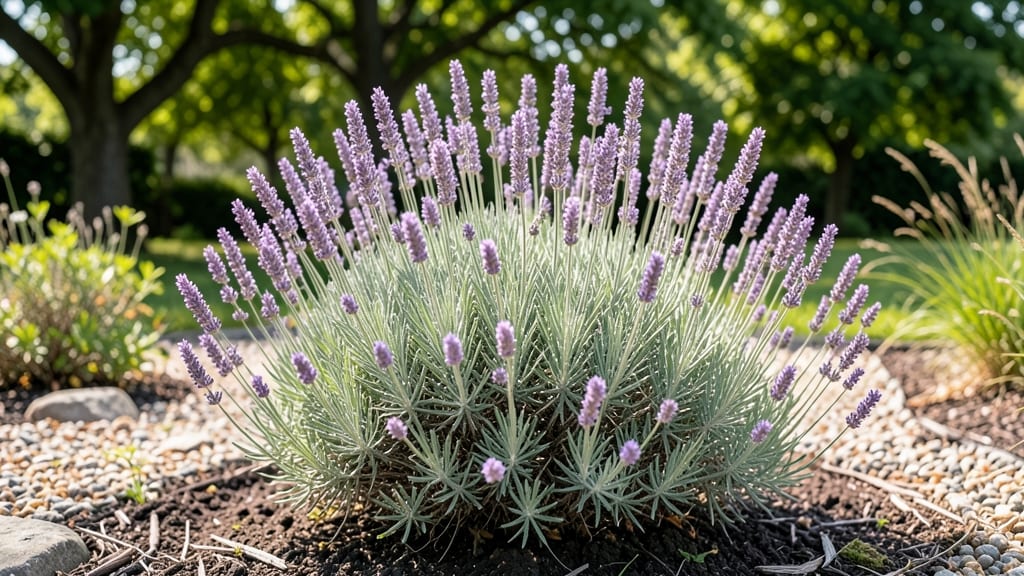
Your lavender tree potted will bring fragrant height to patios, balconies, or small yards—without needing a full garden. 🌿 I’ve grown mine in containers for years, and the key is mimicking its Mediterranean roots with smart soil, sunlight, and watering.
Most people overwater, which is the fastest way to kill it, but once you get the rhythm, it’s shockingly low-maintenance.
The right container makes all the difference: at least 12 inches deep with drainage holes, and terracotta helps wick away excess moisture. Use a well-draining mix (60% potting soil, 30% perlite, 10% sand) to prevent soggy roots.
Place it where it gets full sun (6+ hours daily)—lavender trees thrive in heat but hate humidity, so avoid shady spots or damp climates.
By summer, you’ll have a woody, aromatic shrub that smells like Provence and attracts bees. Prune lightly after blooming to encourage bushier growth, and watch for pests like spider mites—just spray with water to deter them.
The best part? Your potted lavender will outlive most annuals, rewarding you with fragrance for years with minimal effort.
Works for balconies, rooftops, or sunny windowsills—just adjust watering for your climate. Here’s how to keep yours thriving all season long.
📚 In This Guide
- What you need
- Instructions
- Tips and common mistakes
- Wrapping up and next steps
What you need
- ● Lavender plant: Choose a Lavandula angustifolia (English lavender) or Lavandula x intermedia (hybrid lavender) from a nursery or online retailer. Opt for a 1-gallon potted plant for best results.
- ● Container: A 5-7 gallon pot with drainage holes (terracotta or ceramic preferred). Ensure it’s at least 12 inches deep to accommodate roots.
- ● Well-draining potting mix: 3 parts cactus/succulent mix + 1 part perlite or pumice (avoid heavy garden soil!).
- ● Drainage layer: 1-2 inches of gravel or coarse sand to prevent root rot.
- ○ Gloves (optional but recommended—lavender can be prickly!).
- ● Trowel or small shovel for planting.
- ● Watering can with a narrow spout (to avoid overwatering).
- ● Pruning shears (for shaping and harvesting).
- ● Sunny spot: 6+ hours of full sun daily (lavender is a sun-worshipper!).
- ○ Optional: Slow-release fertilizer (low-phosphorus, like 5-5-5 or 10-10-10).
- ● Mulch (gravel or pebbles to retain heat and deter weeds).
- ● Support stake (if your lavender grows tall and leggy).
Step-by-Step instructions for growing a fragrant potted lavender tree
Here’s how to cultivate a sturdy, aromatic lavender tree in containers—perfect for small spaces.
🌱 Step 1: Select the Right Lavender Variety and Pot
Choose a compact, tree-form lavender like Lavandula angustifolia 'Hidcote' or L. x intermedia 'Grosso'—both thrive in pots and grow 3-5 feet tall. Avoid narrow varieties; they struggle to develop strong trunks. Use a 12-15 inch diameter pot with drainage holes, as lavender hates soggy roots. Terra cotta is ideal—it breathes and prevents overwatering.
Fill the pot with well-draining cactus/succulent mix (never garden soil). I blend mine with 30% perlite to ensure excess water drains within minutes. Press the mix firmly—lavender roots need firm anchorage to support its height. Leave 2 inches of space at the top for watering.
☀️ Step 2: Plant and Position for Maximum Sunlight
Dig a hole twice as wide as the root ball but only as deep as the container’s original soil line. Gently remove the plant, loosen roots if pot-bound, then place it in the center. Backfill with the mix, tamping lightly to eliminate air pockets. Water deeply until it drains from the holes—this settles the roots.
Lavender demands full sun (6+ hours daily). A south-facing patio or balcony works best. If shade is unavoidable, supplement with a grow light for 4-6 hours/day. You’ll notice leaves yellowing or stems stretching if light is insufficient—this is your cue to relocate or add artificial light immediately.
💧 Step 3: Water and Fertilize with Precision
Water only when the top 2 inches of soil feel dry—overwatering is lavender’s #1 killer. I use a soaker hose or watering can with a narrow spout to target the base, avoiding wet foliage. After watering, let excess drain completely; never let pots sit in saucers of water. In winter, reduce watering to every 3-4 weeks unless potted in a windy area.
Feed lightly in spring with a balanced 10-10-10 fertilizer (½ the recommended dose). Lavender is drought-tolerant once established, so skip summer fertilizing—it encourages weak, floppy growth. You’ll know it’s thriving when new growth appears bright green and compact, not leggy or pale.
✂️ Step 4: Prune for Shape and Fragrance
Prune right after flowering (late spring/early summer) to maintain shape and encourage bushiness. Cut back one-third of the current year’s growth using sharp, clean shears. Avoid cutting into old wood—it won’t regrow. Shape the tree by trimming longer branches to 2-3 inches above a leaf node for denser foliage.
Deadhead spent blooms regularly to prevent seed formation, which drains the plant’s energy. In late winter, trim any dead or leggy growth back to healthy wood. This pruning ritual keeps your lavender tree compact, fragrant, and full—never woody or bare at the base.
⏰ Step 5: Overwinter for Longevity
Before the first frost, move pots to a protected location (garage, covered porch) where temps stay above 20°F. Reduce watering to monthly unless the pot is in a heated space. Wrap the pot in burlap if exposed to wind—dry air desiccates foliage. In spring, resume regular care once nighttime temps stay above 40°F consistently.
Watch for budding in early spring—this signals it’s ready for full sun again. If you notice buds forming indoors, move the pot outside gradually over 2 weeks to harden it off. A well-overwintered lavender tree blooms earlier and more abundantly the next season.
Tips & tricks for perfect potted lavender trees
These simple yet game-changing strategies will help your potted lavender thrive and stay fragrant for years.
Soil Mix Matters: The 30% perlite addition in Step 1 is non-negotiable—it creates the perfect aeration lavender roots crave. I've seen lavender wilt dramatically when planted in regular potting mix. For even better drainage, add a 1-inch layer of small gravel at the bottom of your pot before adding soil mix. This prevents compaction over time and ensures water flows freely.
Lighting Hack: When supplementing with grow lights (Step 2), position them just 6-8 inches above the plant for maximum effectiveness. I use LED grow lights on a timer for 4-6 hours daily, which mimics natural sunlight perfectly. Watch for leaves stretching toward the light—this is your plant's way of saying "more light, please!" Adjust the height or duration accordingly.
Pruning Precision: That 2-3 inch rule when shaping branches (Step 4) might seem arbitrary, but it's actually a growth science principle. Cutting just above a leaf node stimulates new growth from that exact spot. Always use sharp shears—dull blades crush stems, inviting disease. I sterilize my pruners with rubbing alcohol between cuts to prevent bacterial spread.
Winter Protection: The 20°F threshold in Step 5 is crucial—lavender can handle brief cold snaps but prolonged exposure below this will damage the roots. If you're in a particularly windy area, double up on protection by placing the wrapped pot against a wall or inside a larger container filled with straw. This creates a microclimate that maintains more stable temperatures around the roots.
Pro Tips for Lavender Tree Potted
- These simple yet game-changing strategies will help your potted lavender thrive and stay fragrant for years.
- Soil Mix Matters: The 30% perlite addition in Step 1 is non-negotiable—it creates the perfect aeration lavender roots crave.
- Lighting Hack: When supplementing with grow lights (Step 2), position them just 6-8 inches above the plant for maximum effectiveness.
Frequently asked questions
Got questions about growing a lavender tree potted? You’re not alone!
Here are answers to the most common queries to help you nurture your fragrant beauty with confidence.
How often should I water my potted lavender tree?
Lavender thrives on dryness—water only when the top 1-2 inches of soil feel bone-dry. Overwatering is the #1 killer! Aim for every 7-10 days (adjust for heat/drought). Use a pot with drainage holes and avoid soggy soil. Pro tip: Water deeply but infrequently to encourage strong roots.
Can I grow a lavender tree indoors?
Yes, but with caveats! Lavender needs bright light (6+ hours/day)—place near a south-facing window or use grow lights. Indoor air tends to be too humid; use a fan, reduce watering, and ensure airflow. Smaller varieties like Lavandula angustifolia ‘Hidcote’ adapt better than tall types. Rotate the pot weekly for even growth.
How long does it take for a potted lavender tree to bloom?
Patience is key! With proper care, expect first blooms in 1–2 years for young plants. Established potted lavender may flower year-round in warm climates or spring-to-fall in cooler areas. Prune spent blooms to encourage more flowers. Heat and sunlight boost flowering—place it where it gets plenty of sun!
What’s the best fertilizer for potted lavender?
Lavender is light feeder—over-fertilizing harms it! Use a balanced, water-soluble fertilizer (10-10-10) diluted to half-strength in early spring. Skip fertilizing in fall/winter. Organic options like fish emulsion or compost tea work too. Less is more—lavender prefers lean soil!
Why is my potted lavender turning yellow or dropping leaves?
Yellowing leaves often signal overwatering or poor drainage. Check for:
Try these compact picks:
Trim damaged leaves and adjust care—your lavender will bounce back!
Are there dwarf lavender varieties better for pots?
Variety
Height
Notes
Lavandula angustifolia ‘Hidcote’
1–2 ft
Classic, fragrant, and cold-hardy.
Lavandula stoechas ‘Kew Red’
1.5–2 ft
Showy bracts; loves heat.
Lavandula x intermedia ‘Grosso’
2–3 ft
Large blooms; great for cutting.
Wrapping up and next steps
Growing a lavender tree in a pot is a rewarding way to bring fragrant beauty into small spaces—whether it’s your balcony, patio, or windowsill.
With the right soil, sunlight, and care, you’ll enjoy its soothing scent and striking purple blooms for years. Now’s the time to roll up your sleeves and create your own aromatic oasis!
Ready to get started? Pick your pot, gather your supplies, and plant your lavender tree today. 🌱✨ Your future fragrant retreat awaits!