
How To
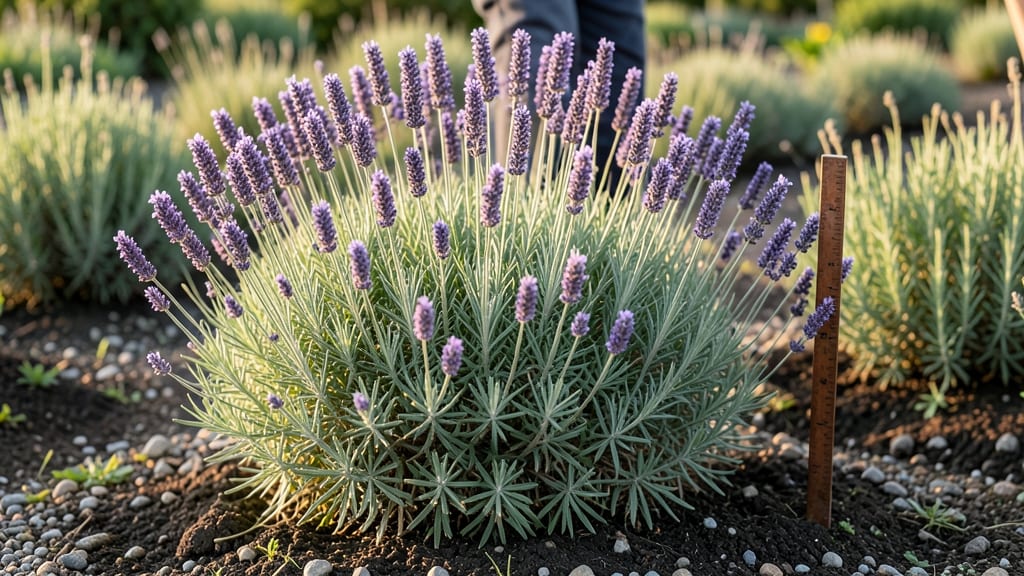
If you’re dreaming of fragrant hedges or low-maintenance privacy screens, lavender trees might be your perfect solution—but first, you need to know their exact growth potential. Some varieties stay compact, while others reach surprising heights, making variety selection critical for your garden’s layout.
Unlike their smaller cousins, which top out at 3 feet, lavender trees are actually large shrubs with woody stems, not true trees. This means they need room to spread and thrive in full sun, where they can reach their full 6-to-10-foot height.
Below, I’ll break down the height differences between popular varieties, how pruning affects growth, and what to expect in your USDA Zone 6a climate.

Lavender tree height by variety: exact measurements & growth habits
First, let’s clear up a common misconception: lavender trees aren’t true trees at all—they’re large, woody lavender shrubs that grow tall enough to resemble small trees. Their height depends entirely on the variety you choose, with some staying under 3 feet while others soar to 10 feet or more.
Knowing these exact measurements helps you plan hedges, borders, or privacy screens without overcrowding your garden.
Most lavender varieties grow 3–10 feet tall, but their growth rates vary dramatically. Dwarf varieties like Lavandula angustifolia ‘Hidcote’ stay compact, while hybrid types like Lavandula × intermedia ‘Grosso’ can double in height.
Below, I’ve broken down the exact mature heights of the most popular lavender "trees," along with their growth habits and spacing needs for optimal planting.
🌱
If you’re planning a lavender hedge, the ‘Grosso’ and ‘Provencal’ varieties are my top picks for tall, dense screens, while ‘Hidcote’ and ‘Anouk’ work perfectly for smaller spaces or containers.
Remember, these heights assume optimal growing conditions—full sun, well-draining soil, and minimal pruning. In shadier or wetter climates, growth slows significantly, often by 30–50%.
For fastest growth, prioritize lavender hybrids like Lavandula × intermedia, which can add up to 2 feet per year in ideal conditions. However, their woody stems mean they take 3–5 years to reach mature height, so patience is key.
If you need instant height, consider planting 3-year-old nursery-grown lavender instead of seeds.
Spacing is another critical factor. Taller varieties like ‘Provencal’ need 6–8 feet between plants to avoid competition, while dwarf types like ‘Anouk’ can thrive just 2 feet apart. Overcrowding leads to stunted growth, fewer flowers, and increased disease risk—so always follow the spacing guidelines in the table above.
🌿
One of the most common mistakes I see is
How to control lavender tree height: pruning tips for compact growth
Lavender trees—often called lavender shrubs—can grow 6 to 10 feet tall if left unchecked, but with the right pruning techniques, you can keep them compact and manageable. The key is timing, sharp tools, and understanding how lavender responds to trimming.
Unlike many plants, lavender doesn’t regrow from old wood, so pruning too late in the season can stunt future growth or even kill the plant.
Most gardeners aim for a 3 to 5-foot height for hedges or privacy screens, while others prefer bushier, rounded shapes for ornamental value. Whether you’re trimming for size control or shaping, the process is straightforward—but one wrong cut can set you back for years.
Let’s break it down step by step to keep your lavender thriving and fragrant.
If you’re aiming for a taller lavender tree, like the 10-foot varieties, prune minimally—just enough to remove dead wood and shape the silhouette. For dwarf lavender (3-5 feet), prune more aggressively in the first few years to stimulate dense growth.
Remember, lavender grows slowly, so patience is key—rushing the process can lead to over-pruning and stress.
Pro tip: Never prune lavender in the heat of summer. The plant is already stressed from flowering, and new cuts can scorch or die back. Stick to late summer or early fall for the best results.
With consistent care, your lavender will stay fragrant, healthy, and perfectly sized for years to come. 🌿✂️