
Pruning
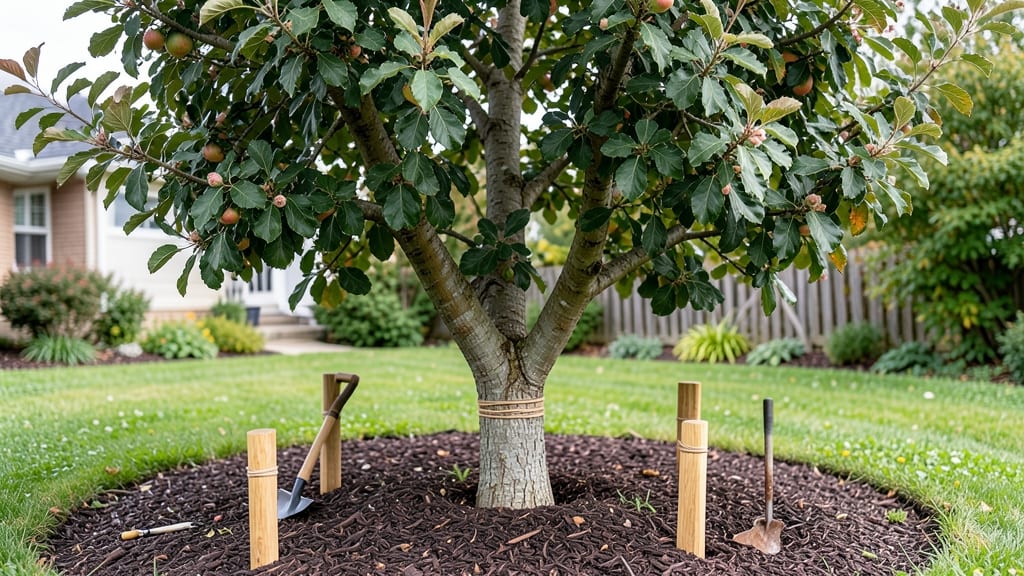
A leaning tree isn’t just an eyesore—it’s a structural hazard waiting to happen. 🌳 I’ve fixed more than my share of wobbly trees, and the good news is you can stabilize most of them in 3 simple steps without calling an arborist.
The key is acting before the lean becomes a safety risk, whether it’s from shallow roots, wind damage, or soil erosion.
First, you’ll need to figure out why it’s leaning—is it the roots struggling to anchor, or did a storm knock it off-kilter? Most fixes start with staking or cabling to support the trunk while you work on the root zone.
I’ll show you how to do it without damaging the tree further, plus when to dig deeper (literally) to improve soil stability.
By the end, your tree will stand tall and steady, with a root system that can handle wind and weather. The best part? These fixes work for young saplings and mature trees alike, and the tools you need are likely already in your garage.
Let’s get that tree back on its feet—safely and for good.
Fair warning: Some leans are too severe for DIY fixes. I’ll walk you through how to spot those red flags and know when to call in a pro. But for the majority of cases? This is a foolproof way to save your tree without the headache.
The Hidden Forces Behind Tree Lean
When your tree starts tilting like a drunkard at last call, it’s rarely a random act of nature—it’s a symptom of deeper structural stress. Understanding the why behind a leaning tree is the first step to fixing it (or at least preventing a future disaster).
Below, we break down the most common culprits, backed by science and real-world mechanics. Think of this as your tree’s "diagnostic report" before you roll up your sleeves for a fix.
A tree’s roots are its anchor system, and when they fail, the whole structure leans into the wind like a sailboat without a keel. Here’s what weakens them:
- Shallow Root Zones: Most trees develop roots in the top 12–18 inches of soil. If the soil is compacted (from construction, foot traffic, or heavy machinery), roots struggle to spread outward. Result: Less grip, more wobble.
- Soil Erosion: Rain, wind, or poor drainage can wash away soil from one side of the root plate, creating an uneven foundation. Think of it like a house built on a hillside—gravity does the rest.
- Root Rot or Disease: Fungal infections (like Armillaria or Phytophthora) or waterlogged soil can kill roots, leaving hollow pockets. Test it: Gently probe the soil around the base—if roots feel mushy or smell foul, that’s your red flag.
Actionable fix ahead: If roots are the issue, you’ll need to reinforce the base (more on that later). But first, confirm the damage with a soil test or arborist consultation.
Trees aren’t just leaning because they’re lazy—they’re reacting to chronic wind exposure. Here’s how it works:
| Wind Force | Tree’s Response | Long-Term Effect |
|---|---|---|
| Constant gusts from one direction | Leans into the wind to reduce drag (like a surfer crouching into a wave) | Permanent tilt if the lean exceeds 15–20 degrees from vertical |
| Storm-force winds | Roots tear or uproot suddenly (shear stress) | Sudden, dramatic lean (or worse—tree fall) |
| Dry, brittle wood + wind | Branches snap under torque, shifting the tree’s center of gravity | Unbalanced lean that worsens over years |
Pro tip: 🌡️ Mature trees in windy areas (like coastal regions or open fields) lean naturally—but if it’s new or accelerating, wind is likely the villain. Solution: Prune strategically to reduce wind sail area.
Not all trees are born equal. Some species (like willows or poplars) grow fast but weak, while others (like oaks or maples) develop deep taproots for stability. Here’s how poor growth habits cause leans:
- Co-Dominant Stems: When a tree grows with two (or more) equally sized trunks instead of one dominant leader, the weight distribution becomes uneven. Result: The tree "chooses" a side to lean toward.
- Over-Pruning or Topping: Removing too much canopy at once shifts the tree’s center of gravity upward, making it top-heavy. Example: A tree that was 30% pruned last year may now lean 5° more than before.
- Uneven Canopy Growth: If one side of the tree gets more sunlight (e.g., due to nearby buildings or fences), that side grows faster, pulling the tree sideways. Think of it like a kid’s hair growing unevenly—eventually, the head tilts.
Fix it: If the lean is due to growth habits, corrective pruning (removing weight from the heavier side) can help—but only if the roots are still sound. Otherwise, you’re just delaying the inevitable.
Sometimes, we are the reason trees lean. Here’s how:
- Construction or Excavation: Digging near the root zone (even for sidewalks or driveways) can sever critical roots. Rule of thumb: Stay at least 3–5 feet away from the trunk when digging.
- Vehicle or Machinery Damage: A single runover root can compromise stability. Look for: Crushed soil, exposed roots, or unusual tire tracks near the base.
- Improper Staking or Guying: If a young tree was staked too tightly or for too long, the roots may have failed to strengthen naturally, leading to a permanent lean.
- Lightning Strikes or Physical Trauma: A bolt of lightning can split the trunk or burn roots, causing the tree to lean as it tries to compensate. Signs: Charred bark, unusual cracks, or sudden leaf drop.
💡 Quick check: If the lean happened recently (within the last few years) and there’s no obvious wind or disease, human activity is the most likely cause. Solution: Reinforce the base with proper guying or cabling.
Fixing a Leaning Tree Safely
A leaning tree isn’t just an eyesore—it can pose serious risks to your property, especially during storms or high winds. The good news? Most leaning trees can be stabilized or corrected with the right approach.
Below, we break down practical solutions based on the root cause, along with prevention tips to keep your tree standing tall for years.
1. Shallow or Weak Root System
Why it happens: Trees planted too deeply, in poor soil, or with damaged roots struggle to anchor themselves, leading to lean.
How to fix it: 🔥 Stabilize with guying (cabling & guying)
- Step 1: Install steel cables (not wire) from the trunk to sturdy ground anchors (concrete or metal stakes) at a 45-degree angle.
- Step 2: Use dynamic cables (allow slight movement) to avoid stress cracks.
- Step 3: Check tension annually and adjust as the tree grows.
💡 Pro Tip: For young trees, root pruning (trimming roots in a spiral) can encourage deeper growth.
🌱 Prevention:
- Plant trees in well-draining soil with proper depth (root flare should be visible).
- Use mycorrhizal fungi (natural root boosters) during planting.
2. Uneven Weight Distribution (Crown Imbalance)
Why it happens: Heavy branches on one side or poor pruning cause the tree to tilt over time.
How to fix it: 🍳 Prune Strategically
- Step 1: Remove heavy branches from the leaning side to balance weight.
- Step 2: Thin out dense foliage on the opposite side to encourage even growth.
- Step 3: Avoid topping (cutting the top flat)—it weakens the tree.
👨🍳 When to call a pro:
- If the lean is >15% of the tree’s height, a certified arborist should assess structural risks.
🌡️ Prevention:
- Prune annually to maintain a balanced canopy.
- Avoid over-fertilizing—too much nitrogen leads to weak wood.
3. Soil Erosion or Compaction
Why it happens: Poor drainage, construction, or heavy foot traffic compresses soil, reducing root support.
How to fix it: 🥘 Improve Soil & Drainage
- Step 1: Aerate the soil with a manual auger or air spade to relieve compaction.
- Step 2: Add organic matter (compost or mulch) to improve structure.
- Step 3: Install a French drain if water pools near the base.
✨ Prevention:
- Mulch properly (3-4 inches deep, keep mulch 6 inches away from the trunk).
- Avoid parking or driving near the tree’s root zone.
4. Storm or Wind Damage
Why it happens: Sudden forces can uproot or bend the trunk permanently.
How to fix it: 🔪 Assess & Reinforce
- Step 1: If the trunk is cracked, consult an arborist—bracing may be needed.
- Step 2: For minor leans, guy wires can temporarily stabilize until roots recover.
- Step 3: If the tree is dead or dying, removal is safest.
⏰ Emergency Action:
- Remove fallen branches immediately to prevent further damage.
- Check for root damage—if roots are exposed, cover with soil to protect them.
🎯 Prevention:
- Plant wind-resistant species (e.g., oaks, maples) in exposed areas.
- Prune deadwood before storm season.
Not all leans can be fixed. Remove the tree if:
- The trunk is split or rotting.
- The lean is severe (>30%) and the tree is a hazard.
- The root plate is exposed (no recovery possible).
Final Thought: A leaning tree doesn’t always mean doom—early action can save it. Start with soil checks, pruning, and guying, then monitor progress. When in doubt, hire an expert to avoid costly mistakes. 🌿
Frequently asked questions
How do I know if my leaning tree is safe to fix myself?
Check for these red flags: if the lean exceeds 30% of the tree's height, the trunk shows deep cracks, or the roots are exposed or rotting, call a professional. For minor leans (15% or less) with healthy roots, DIY fixes like staking or pruning can work. Always test soil stability first by gently pulling on the trunk—if it moves easily, it needs reinforcement.
What’s the difference between staking and guying for a leaning tree?
Staking uses vertical supports (like wooden posts) to stabilize young trees, while guying uses angled cables or wires to support mature trees. Stakes work for newly planted trees (remove after 1-2 years to avoid root dependency), while guying is better for permanent stabilization of established trees. Use dynamic cables that allow slight movement to prevent trunk damage.
Can I fix a leaning tree without cutting branches?
Yes! For mild leans, focus on soil improvement (aeration, compost) and proper guyingheavy branches from the leaning side to redistribute weight. Avoid drastic cuts, as this can stress the tree further. For severe cases, a professional arborist may recommend cabling systems instead of pruning.
How long does it take to stabilize a leaning tree?
Most fixes show results within 3-6 months, but full stabilization can take 2-3 years for mature trees. Young trees may recover faster (6-12 months) if roots are healthy. Monitor progress annually—adjust guying tension and prune as needed. Patience is key: forcing quick fixes (like over-tightening cables) can damage the tree more than the lean itself.
Will fixing a leaning tree make it grow straighter over time?
Not always. While stabilization prevents further leaning, most trees won’t straighten naturally—they’ll just stop getting worse. For young trees, proper pruning and soil care can encourage upright growth. Mature trees with deep leans may need permanent support systems. Think of fixes as damage control rather than a cure for the tilt itself.