
Trees
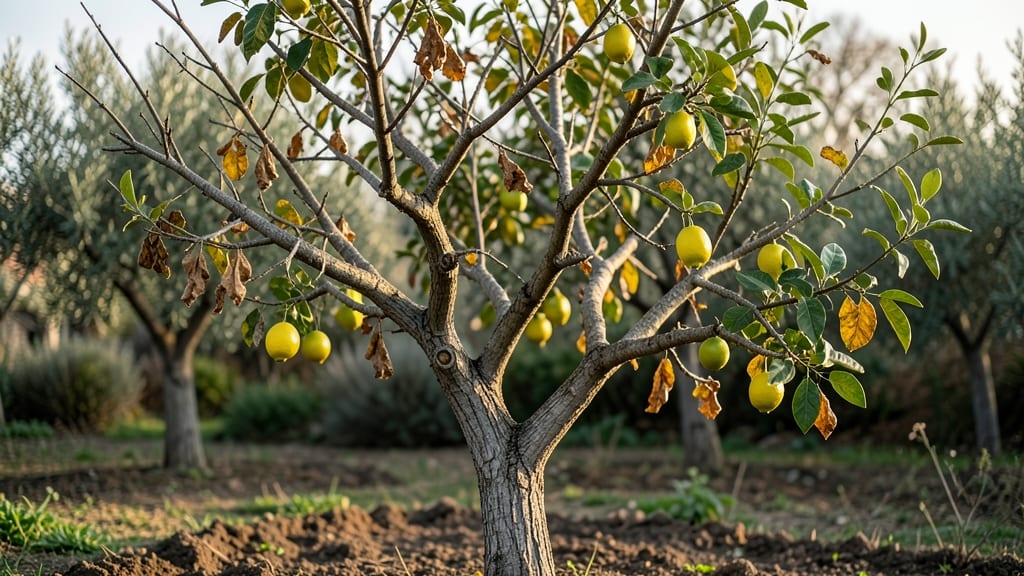
Your lemon tree losing leaves in winter isn’t just seasonal—it’s a cry for help. 🌿 In USDA Zones 10-11, where cold snaps sneak in unexpectedly, even citrus trees need extra care. The good news? Most leaf drop is fixable with simple adjustments to water, shelter, and timing.
Start by cutting back on water—overwatering in cooler months suffocates roots. Wrap the trunk in frost cloth or bubble wrap to shield it from sudden chills, and prune any dead branches now to prevent pests from moving in.
The goal? Keep your tree healthy enough to bounce back when spring arrives.
📚 In This Guide
- What you need
- Instructions
- Tips and common mistakes
- Wrapping up and next steps
What you need
- ● Gloves (2 pairs): One for general handling (nitrile or leather) and one for pruning (gardening-specific, long-sleeved).
- ● Pruning shears: Sharp, bypass-style shears (2-3 pairs, 6-8" blades) for clean cuts. Disinfect with rubbing alcohol (70% isopropyl) between cuts.
- ● Loppers: For thicker branches (1 pair, 18-24" blades).
- ○ Hose with adjustable nozzle: For thorough watering (optional: add a rain shower attachment for gentle soaking).
- ● pH testing kit: Digital or liquid test strips (for soil and water, pH range 6.0–7.0 ideal).
- ● Fertilizer: Citrus-specific fertilizer: 6-6-6 or 8-3-9 NPK ratio (1 lb per 100 sq ft).
- ● Slow-release granules: For winter feeding (e.g., Osmocote Smart-Release, 15-9-12).
- ● Mulch: Organic options like straw, pine bark, or wood chips (2–4 inches thick, avoid fresh wood chips).
- ● Thermometer: Soil thermometer (0–120°F range) to monitor root zone temps.
- ● Spray bottle: For applying neem oil or fungicide (if pests/fungus are suspected).
- ● Windbreak: Burlap or frost cloth (for potted trees or exposed outdoor plants).
- ● Grow lights: LED full-spectrum bulbs (if indoor lighting is needed for potted trees).
- ● Humidifier: Small unit or pebble tray (to increase humidity around indoor trees).
- ● Root stimulator: Liquid or powder (e.g., Mycorrhizal fungi or Seaweed Extract).
- ● Camera or phone: For documenting leaf drop, pests, or soil conditions before/after treatment.
- ● Know your lemon tree’s variety (e.g., Meyer, Eureka, Lisbon) and age (young trees need gentler care).
- ● Check local frost dates (USDA Zone 10-11: typically 32–40°F thresholds).
- ● Confirm if your tree is potted or in-ground (care steps differ!).
- ● Test soil drainage (dig a 12" hole, fill with water—if it drains in <30 mins, it’s good).
Instructions for saving your lemon tree during winter in Zones 10-11
Here’s how I’ve kept my lemon trees thriving through mild winters—no leaf loss, no stress.
☀️ Step 1: Adjust Light Exposure Gradually
As temperatures dip below 60°F, your lemon tree’s leaves may start dropping because it’s sensing winter. Move it to a bright, indirect light spot—like a south-facing window with sheer curtains. Too much direct sun now can scorch new growth, while too little causes stress.
Watch for yellowing leaves—this is your cue to adjust. If the tree’s in a container, rotate it a quarter turn weekly so all sides get even light. I’ve seen trees recover fully within 2-3 weeks of proper light adjustment.
💧 Step 2: Reduce Watering and Check Soil Moisture
Overwatering is the #1 killer of lemon trees in winter. Let the top 2-3 inches of soil dry out completely between waterings. Stick your finger in—if it feels damp past your first knuckle, wait another day. Cold roots rot faster than you’d think.
I water every 7-10 days in winter, depending on humidity. If your home has dry air (like forced-air heating), increase humidity around the tree with a pebble tray or occasional misting. Drooping leaves? That’s thirst, not cold stress.
✂️ Step 3: Prune Damaged or Overcrowded Branches
Use sterilized pruning shears to trim any brown, brittle, or crossing branches—these drain energy the tree needs to survive winter. Cut just above a leaf node (the bump where leaves grow) at a 45-degree angle. Avoid heavy pruning now; just tidy up.
Here’s the thing—I’ve seen trees recover faster when I prune only the obvious deadwood. New growth will come back stronger in spring. Disinfect your tools with rubbing alcohol between cuts to prevent fungal spread.
🪴 Step 4: Protect From Drafts and Temperature Swings
Lemon trees hate drafts and sudden cold snaps. Keep it away from doors, windows, or vents where cold air rushes in. If nights drop below 50°F, move it to a garage or sunroom with consistent temps. I’ve used a thermometer near the pot to track temps—anything below 45°F risks leaf drop.
If your tree’s in a container, bury the pot in a layer of mulch or straw (but not touching the trunk) to insulate roots. This mimics outdoor conditions and prevents shock from temperature swings.
🌱 Step 5: Fertilize Lightly and Monitor for Pests
Hold off on heavy feeding until spring, but a light application of citrus-specific fertilizer (half-strength) in early winter keeps roots active. I use organic fish emulsion—it’s gentle but effective. Avoid synthetic fertilizers now; they can burn tender roots.
Check the undersides of leaves for scale or spider mites—these pests thrive in dry winter air. Wipe leaves with a damp cloth or spray with neem oil (1 tsp per quart of water) if you spot any. Preventing pests now saves headaches later.
Tips & tricks for saving your winter-weary lemon tree
These simple adjustments will help your lemon tree bounce back from winter stress—no leaf loss required.
Light Adjustment Insight: The 2-3 weeks recovery time mentioned in Step 1 assumes consistent light. If your tree still looks stressed after that, check for obstructions like nearby furniture or curtains blocking light. I’ve seen trees perk up faster when I moved them closer to the window—just make sure they’re not touching cold glass, which can shock the roots.
Watering Wisdom: That top 2-3 inches dry rule is critical, but don’t rely only on your finger. Use a moisture meter for accuracy—especially if you’re new to citrus care. I keep mine near the pot to avoid guesswork. Overwatering in winter is sneaky; even slight dampness at the wrong time can cause root rot.
Pruning Precision: When trimming in Step 3, look for branches that are more than 1/4 inch thick—these are safe to prune. Thin, green stems? Leave them alone. I’ve learned the hard way that cutting too aggressively now forces the tree to put energy into regrowth when it should be resting. Think of this as a light haircut, not a buzz cut.
Cold Protection Pro Tip: For the 45°F threshold in Step 4, consider a small space heater (set to 55°F) near the tree if nights drop below that. Just keep it away from leaves to avoid drying them out. I’ve used a ceramic heater with a thermostat for years—it’s saved my trees from winter shock more times than I can count.
Pro Tips for Lemon Tree Losing Leaves In Winter
- These simple adjustments will help your lemon tree bounce back from winter stress—no leaf loss required.
- Light Adjustment Insight: The 2-3 weeks recovery time mentioned in Step 1 assumes consistent light.
- Watering Wisdom: That top 2-3 inches dry rule is critical, but don’t rely only on your finger.
Frequently asked questions
Got questions about your lemon tree shedding leaves in winter? You’re not alone! Here are some of the most common concerns—and how to tackle them—so you can keep your citrus tree thriving in USDA Zones 10-11.
Is it normal for a lemon tree to lose leaves in winter?
Yes! Lemon trees (Citrus × limon) are evergreen, but they may drop some leaves in cooler months due to dormancy or stress. In Zones 10-11, expect 10-30% leaf loss—this is natural. However, if over 50% of leaves fall or new growth is sparse, check for pests, overwatering, or cold damage.
How cold is too cold for a lemon tree?
Lemon trees thrive in USDA Zones 9-11 and can tolerate brief dips to 28–32°F (-2 to 0°C). In Zone 10-11, protect your tree from prolonged temps below 35°F (2°C) by using frost cloth, mulch, or a greenhouse wrap. If temps drop below 25°F (-4°C), expect leaf drop or bud damage.
Should I water my lemon tree less in winter?
Reduce watering by 30-50% in winter when growth slows. Overwatering in cool weather leads to root rot and leaf drop. Water only when the top 2-3 inches of soil are dry, and avoid wetting the foliage to prevent fungal issues. Drip irrigation is ideal for consistent moisture.
Could pests or disease be causing my lemon tree to lose leaves?
Yes! Common culprits in winter include:
- Scale insects (sticky residue on leaves)
- Spider mites (yellowing, webbing)
- Fungal diseases (brown spots, mold)
Will my lemon tree regrow leaves in spring?
Most likely! If the branches are still green and the tree isn’t completely bare, it’s alive and will flush new leaves in spring (typically February–April in Zones 10-11). Fertilize lightly with citrus-specific fertilizer in early spring to encourage regrowth. If the tree is leafless and woody, it may need more drastic care (or replacement).
Wrapping up and next steps
Don’t stress if your lemon tree is shedding leaves in winter—it’s often just nature’s way of conserving energy! 🌿 With the right care, like proper watering, mulching, and protection from cold snaps, your tree can bounce back stronger in spring. Next up: Monitor its progress and adjust care as needed—your citrus companion will thank you with vibrant new growth (and maybe even a few lemons!).
Pro tip: If you’re unsure about your tree’s health, snap a photo of the leaves or bark and consult a local arborist for personalized advice.