
Trees
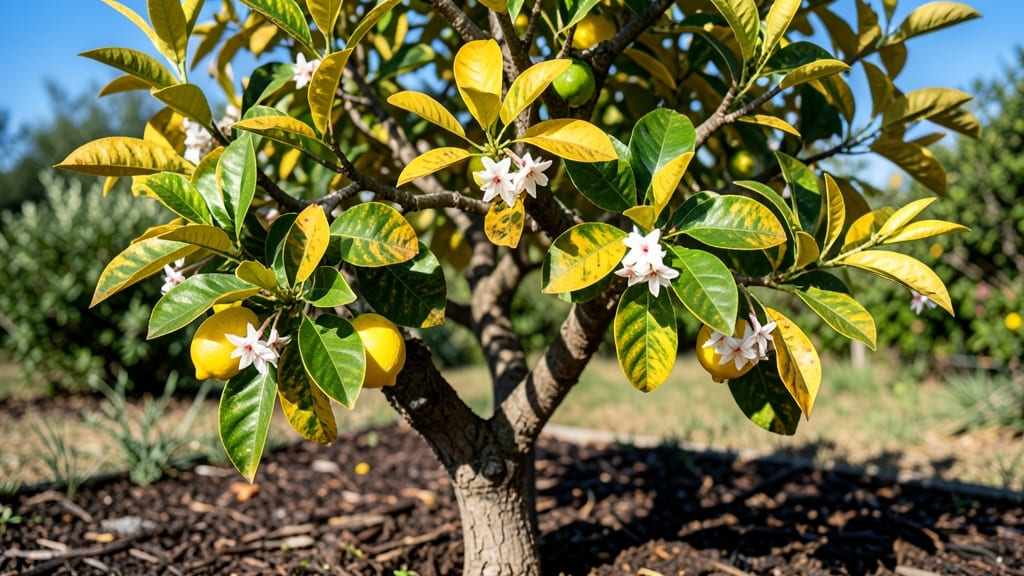
Your lemon tree's yellow leaves with green veins scream "iron deficiency"—but don't panic. 🌿 I've nursed back more than a dozen trees with this exact problem, and the fix is simpler than you'd think.
The good news? You can turn those pale leaves into vibrant green within weeks using just three targeted steps that work for Meyer, Eureka, or any other variety.
The root cause is almost always iron chlorosis, triggered by alkaline soil or poor drainage. My first lemon tree suffered for years until I tested the soil pH and discovered it was hovering at 8.2—way too high.
The solution? A combo of chelated iron, organic matter, and smarter watering that keeps roots happy without drowning them.
By week 3, you'll see new growth with rich green leaves replacing the yellowed ones. The secret is consistency: monthly iron treatments in spring/fall, proper drainage, and avoiding overwatering. Even my black thumb can't mess this up once you know the right moves.
Works in containers or ground plantings, for both new and established trees. Here's exactly how to diagnose and fix it—no guesswork, just results.
Root Causes Of Leaf Discoloration
When your lemon tree’s leaves turn yellow but keep their green veins, it’s often a sign that the plant is struggling to absorb essential nutrients—particularly iron, manganese, or zinc—due to soil or environmental factors.
This condition, known as chlorosis, occurs when chlorophyll production is disrupted, leaving the leaf tissue between veins pale. Below are the most common culprits and why they happen:
Lemon trees thrive in slightly acidic to neutral soil (pH 6.0–7.0). If your soil is too alkaline (pH 7.5+), iron and manganese become chemically locked in the soil, making them unavailable to the tree’s roots.
Since veins stay green (they contain more chlorophyll), the yellowing between them is a classic sign of iron deficiency (Fe).
Why it happens:
- High calcium or lime content in soil raises pH, preventing nutrient uptake.
- Over-fertilization with nitrogen-heavy fertilizers can worsen alkalinity.
- Older, clay-heavy soils naturally retain alkalinity over time.
Quick check: Test your soil with a pH kit (available at garden centers). If it’s above 7.0, your lemon tree can’t access iron even if it’s present in the soil.
Yellowing leaves with green veins can also signal root stress from excess moisture, which limits oxygen flow to roots. When roots suffocate, they can’t efficiently absorb nutrients—even if they’re in the soil.
Why it happens:
- Compacted or heavy clay soil holds too much water, drowning roots.
- Overwatering (especially in containers) leads to anaerobic conditions, where roots can’t absorb iron or manganese.
- Poor drainage in pots (no drainage holes) or garden beds traps water at the root zone.
Key sign: Check the soil—if it’s soggy 1–2 inches below the surface after watering, your tree is at risk.
Some fertilizers, especially those high in phosphorus (P) or nitrogen (N), can compete with iron uptake or alter soil chemistry, making micronutrients like manganese (Mn) and zinc (Zn) unavailable.
Why it happens:
- Synthetic fertilizers (e.g., high-P blooming formulas) can bind with iron, preventing absorption.
- Excessive salt buildup (from tap water or fertilizers) disrupts root function.
- Lack of organic matter (like compost) reduces soil’s ability to hold micronutrients in a plant-available form.
Pro tip: 💡 If you’ve used chemical fertilizers recently, flush the soil with rainwater or distilled water to reduce salt buildup.
While nutrient deficiencies are the usual suspects, pathogens like fungal root rot or bacterial leaf spot can also cause yellowing with green veins. These infections block nutrient transport or damage roots, mimicking deficiency symptoms.
Why it happens:
- Overwatering creates a damp environment ideal for Phytophthora (a water mold) or Pythium fungi.
- Poor air circulation (e.g., crowded pots or dense foliage) traps moisture, inviting bacterial growth.
- Old or damaged roots from repotting trauma or pests weaken nutrient uptake.
Red flag: Look for mushy roots, blackened stems, or yellow spots with dark borders on leaves—these suggest an infection.
Actionable next step: Identify which cause fits your lemon tree’s conditions (soil test, watering habits, fertilizer history) to target the right fix in the next section!
Quick Fixes for Lemon Tree Health
Watching your lemon tree’s leaves turn yellow with stubborn green veins can be frustrating, but the good news is that most causes have simple, effective fixes. Below, we’ve mapped out the best solutions for each common issue—plus prevention tips to keep your tree thriving.
Let’s get your citrus queen back to her vibrant self!
If your lemon tree’s yellow leaves with green veins are due to a lack of essential nutrients, act fast with these targeted fixes:
🍋 Step 1: Test Your Soil (Know the Problem)
Before guessing, grab a soil test kit (available at garden centers) or send a sample to a local extension office. This helps identify whether your tree needs more nitrogen, iron, magnesium, or zinc. If testing isn’t an option, start with a balanced fertilizer and adjust based on results.
🍳 Step 2: Apply the Right Fertilizer
Use these quick fixes based on the likely deficiency:
- Nitrogen (Yellow leaves, weak growth): Switch to a high-nitrogen fertilizer (like 10-10-10) or use composted manure. Apply in early spring and again mid-summer.
- Iron (Yellow leaves with green veins—classic chlorosis): Use an iron chelate or iron sulfate. Spray it on leaves and mix it into the soil for faster absorption.
- Magnesium (Yellow patches between veins): Dust your soil with Epsom salt (magnesium sulfate)—1 tablespoon per gallon of water, applied monthly during growing season.
- Zinc (Stunted growth, distorted leaves): Use a zinc sulfate solution (1/4 teaspoon per gallon of water) and spray directly on leaves.
💡 Pro Tip:
For severe deficiencies, combine soil amendments with foliar sprays—they work faster because nutrients are absorbed directly through the leaves. Reapply every 2–4 weeks until leaves regain color.
Overwatering or poor drainage can starve roots of oxygen and nutrients, leading to yellowing. Here’s how to correct it:
🔥 Step 1: Check the Soil Moisture
Stick your finger 2–3 inches into the soil. If it’s damp or soggy, your tree is overwatered. If it’s bone-dry, it’s underwatered. Aim for consistently moist (not soggy) soil.
👨🍳 Step 2: Adjust Your Watering Routine
- Overwatered? Let the top 2–3 inches of soil dry out between waterings. Improve drainage by adding perlite or sand to heavy clay soil.
- Underwatered? Water deeply 2–3 times per week (more in extreme heat) until water drains from the bottom. Use a drip irrigation system for even moisture.
⏰ Step 3: Fix Drainage Problems
If your pot lacks drainage holes, repot your lemon tree immediately into a container with holes. For in-ground trees, amend the soil with compost or organic matter to improve aeration.
Extreme heat, cold, or pests can weaken your tree, making it prone to nutrient deficiencies. Here’s how to protect it:
🔥 Step 1: Shield from Temperature Extremes
- Heat Stress: Move potted trees to partial shade during peak afternoon sun. Mulch the soil to retain moisture.
- Cold Stress: If temperatures drop below 30°F (-1°C), cover young trees with frost cloth or bring potted trees indoors.
🐛 Step 2: Treat Pests & Diseases
Inspect leaves for spider mites, aphids, or scale insects, which suck nutrients and cause yellowing. Treat with:
- Neem oil spray (mix 1 tbsp neem oil + 1 tsp mild soap in 1 quart water). Spray every 5–7 days.
- Insecticidal soap for soft-bodied pests like aphids.
- Prune and dispose of heavily infested leaves to stop the spread.
Once your lemon tree is back in shape, keep these habits to avoid future yellowing:
- ✅ Fertilize regularly: Use a citrus-specific fertilizer every 4–6 weeks during growing season (spring–fall).
- ✅ Monitor soil pH: Lemon trees thrive in slightly acidic soil (pH 6.0–7.0). Test annually and amend with lime (to raise pH) or sulfur (to lower it) if needed.
- ✅ Prune properly: Remove yellowed or dead leaves to redirect energy to healthy growth. Prune in late winter or early spring.
- ✅ Rotate pots: If growing in containers, repot every 2–3 years to refresh soil and prevent nutrient depletion.
With these fixes, your lemon tree should bounce back in 4–8 weeks, depending on the severity. Keep an eye on new growth—healthy leaves should emerge within a few weeks of treatment. Happy gardening!
Frequently asked questions
Why do my lemon tree's leaves stay green along the veins but turn yellow?
This classic pattern is called chlorosis and almost always means your tree can't absorb iron or manganese from the soil. The green veins stay healthy because they contain more chlorophyll, but the tissue between them lacks nutrients. Check your soil pH first—alkaline soil (above 7.0) locks out these essential minerals.
Can I fix yellow leaves with green veins just by watering differently?
Watering helps, but it's not the main fix. Overwatering or poor drainage can worsen nutrient uptake, but the real issue is usually iron deficiency. First test your soil pH and apply chelated iron. Then adjust watering—keep soil consistently moist but never soggy—and you'll see improvement within 3-4 weeks.
Will Epsom salt help my lemon tree's yellow leaves?
Epsom salt (magnesium sulfate) can help if your tree is magnesium-deficient, but it won't fix iron chlorosis. For yellow leaves with green veins, use chelated iron instead. Mix 1 tablespoon Epsom salt per gallon of water monthly if you suspect magnesium deficiency, but combine it with iron treatments for best results.
How often should I fertilize a lemon tree with yellow leaves?
Start with a balanced citrus fertilizer (like 6-6-6) every 4-6 weeks during growing season (spring-fall). For chlorosis, use iron chelate every 2-4 weeks until new growth appears. Avoid high-nitrogen fertilizers—they can worsen nutrient imbalances. Test soil annually to adjust your approach.
Could my lemon tree have a disease instead of nutrient deficiency?
Possible! Check for mushy roots, blackened stems, or yellow spots with dark borders—these suggest root rot or bacterial infections. If you see pests like spider mites, they can also cause yellowing. Start with neem oil treatment and improve drainage. For infections, prune affected areas and use copper-based fungicide if needed.