
Container Gardens
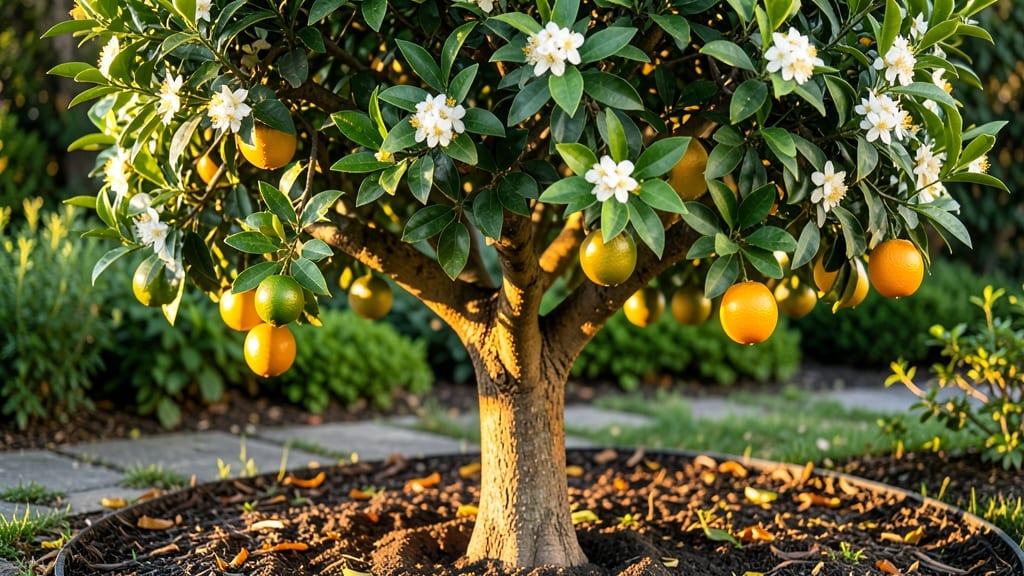
Your orange tree's growing season starts long before you see fruit—it’s the hidden rhythm of warmth, light, and patience that turns a bare branch into a heavy harvest. 🌱 In my zone 9 garden, the real magic begins in late winter, when buds swell like tiny green promises, but the timeline shifts dramatically depending on whether you're in frost-free Florida or chilly zone 7.
The key isn’t just months on the calendar; it’s understanding how your tree’s biology responds to heat, cold snaps, and even your watering schedule.
Here’s the secret most gardeners miss: citrus trees need consistent warmth to set fruit, but they also need a cool season to rest and build energy.
In warmer climates, you’ll harvest year-round, while in cooler zones, you’ll time planting for spring’s last frost—typically March or April—giving roots time to establish before summer’s heat arrives.
Prune in late winter to shape growth, but never after June, or you risk losing next year’s blossoms (I learned that the hard way with my first tree).
By fall, your tree will be heavy with fruit, but that’s when the real work begins. Thin overripe oranges to prevent branches from snapping, and stop fertilizing after August—too much nitrogen now delays dormancy.
In colder zones, move potted trees indoors before temps drop below 32°F, or wrap the trunk with frost cloth. The payoff? A tree that keeps producing for decades, with fruit ripening in waves from late fall to early spring—if you’ve timed everything right.
This timeline works for container-grown trees too—just adjust watering when roots can’t dive deep. Whether you’re in zone 8 or 11, the principles stay the same: protect from cold, feed during growth, and never rush the process.
That first harvest, when your fingers brush against sun-warmed oranges still clinging to the tree, makes every seasonal adjustment worth it.
📚 In This Guide
- What you need
- Instructions
- Tips and common mistakes
- Wrapping up and next steps
What you need
- ● Orange Tree Sapling: 1 dwarf or semi-dwarf variety (e.g., Citrus sinensis ‘Valencia’ or ‘Navel’—ideal for containers)
- ● Age: 1–3 years old (hardier and faster to bear fruit)
- ● Growing Medium: Well-draining citrus potting mix (5–10 gallons, depending on container size)
- ○ Optional: Perlite or coarse sand (10–20% by volume for aeration)
- ● Containers (if applicable): 1 large pot (15–25 gallons) with drainage holes
- ● Fabric grow bag (alternative for root aeration)
- ● Fertilizer: Citrus-specific fertilizer (e.g., Citrus-Tone or 8-3-9 NPK ratio)
- ● Slow-release granules (1–2 cups per season) or liquid feed (monthly during growing season)
- ● Tools: Trowel or small shovel
- ● Pruning shears (sterilized)
- ● pH testing kit (ideal range: 6.0–7.0)
- ● Spray bottle (for misting young trees)
- ● Sunlight: 6–8+ hours of direct sunlight daily (south-facing spot or grow lights in winter)
- ● Temperature: Ideal: 70–85°F during the day, 50–60°F at night
- ● Avoid frost (<32°F)—use row covers or move containers indoors if needed
- ● Water Access: Drip irrigation or hose with a gentle spray nozzle (avoid soggy roots!)
- ● Mulch (straw or wood chips to retain moisture)
- ● Citrus food (e.g., Epsom salt for magnesium if leaves yellow)
- ● Trellis or support stake (for windy areas)
- ● Pollination aid (soft paintbrush to hand-pollinate flowers if indoors)
Understanding your orange tree’s annual cycle
Citrus trees follow a predictable rhythm—here’s how to align care with each season’s demands.
🌱 Step 1: Spring Awakening (March–May) – Prune and Fertilize
This is the moment your tree wakes from dormancy. Prune before new growth appears—remove dead branches, crossing limbs, and any growth inside the canopy to improve airflow. I like to cut just outside the branch collar, where the branch meets the trunk, to avoid damaging the tree’s natural healing layer. After pruning, apply a balanced citrus fertilizer (6-6-6 or similar) when you see fresh, bright green leaves emerging—usually by late March in most climates.
Water deeply once a week once buds form, letting the soil dry slightly between waterings. Overwatering now causes root rot, while underwatering stresses the tree as it prepares for flowering. You’ll know you’re doing it right when you see small, fuzzy white blossoms appearing along the branches—this signals the tree is shifting energy from growth to fruit production.
☀️ Step 2: Summer Growth (June–August) – Protect and Support
Your orange tree’s leaves will darken and thicken as they mature, and you’ll notice tiny fruit forming where the flowers were. This is when heat stress becomes the biggest threat—especially in areas where summer temperatures exceed 95°F. Provide afternoon shade with a lightweight shade cloth (30-50% coverage) if your tree shows signs of wilting or leaf scorch (edges turning brown and crispy).
Continue watering every 5-7 days, checking soil moisture by sticking your finger 2-3 inches deep. If it feels dry, water slowly until it drains from the bottom of the pot or soil. Avoid wetting the leaves to prevent fungal diseases like anthracnose, which thrives in humid summer conditions. You’ll also want to thin out excess fruit if branches are bending under the weight—leave about 6-8 inches between oranges to ensure they reach full size.
🍊 Step 3: Fall Ripening (September–November) – Harvest and Prepare
The real magic happens in fall, when oranges transition from green to their signature hue. Harvest time depends on your variety—Valencia oranges, for example, ripen later and may stay on the tree until December or January, while Navels are ready by October. Gently twist the fruit until it separates cleanly from the branch—if it resists, it’s not ripe yet. Store harvested oranges in a cool (55-65°F), humid environment to extend freshness.
After harvest, reduce watering to every 10-14 days and stop fertilizing entirely. This signals the tree to enter dormancy. Prune lightly to remove any remaining fruit or diseased branches, but avoid heavy cuts—you’ll do the bulk of pruning again in spring. Mulch around the base with 2-3 inches of organic matter (like wood chips) to insulate roots during winter.
❄️ Step 4: Winter Rest (December–February) – Shelter and Plan
Even in mild climates, citrus trees benefit from protection during cold snaps. If temperatures drop below 30°F, wrap the trunk and container (if potted) with burlap or frost cloth, leaving the top open to prevent moisture buildup. For container-grown trees, move them to a garage or sheltered patio where temps stay above freezing. You’ll notice new growth slows dramatically—this is normal, as the tree conserves energy for next year’s bloom.
Use this time to plan your tree’s future. Check for pests like scale or aphils (common in winter) and treat with neem oil if needed. Prune out any dead or diseased wood, and research any new citrus varieties you’d like to add—now’s the best time to order bare-root plants or containers. By late February, you’ll see tiny buds swelling again, signaling the cycle is about to begin anew.
Tips & tricks for perfect year-round citrus care
Mastering your orange tree's seasonal needs transforms it from a seasonal hobby to a year-round fruit producer.
Pruning Precision: When pruning in Step 1, focus on creating an open canopy by removing branches that grow inward or cross each other. I've learned the hard way that leaving too many branches creates a dense canopy that blocks sunlight from reaching the inner fruit—resulting in smaller, less flavorful oranges. Aim to keep the center of your tree 30-40% open to maximize airflow and light penetration. This also reduces humidity within the canopy, helping prevent fungal diseases.
Heat Stress Rescue: In Step 2, if you notice leaf scorch (brown edges) despite providing shade, your tree might be suffering from heat stress combined with dry soil. The key is to water deeply in the early morning when temperatures are cooler—this gives roots time to absorb moisture before the heat of the day. For container-grown trees, consider moving them to a shaded area during peak afternoon sun (2 PM to 5 PM) when temperatures exceed 95°F, even with shade cloth protection.
Harvest Timing Secret: The color change in Step 3 isn't always the best indicator of ripeness—especially for Valencia oranges that may stay green until December. Instead, gently press the fruit: ripe oranges yield slightly to pressure, while unripe ones feel firm. For Navels, the skin should also develop a slight sheen. I've found that harvesting at the right time prevents premature dropping and ensures maximum sweetness and juice content. Store ripe fruit in a cool, humid environment (like a paper bag in the fridge) to maintain freshness for up to 2 weeks.
Winter Protection Strategy: For container-grown trees in Step 4, don't just wrap the trunk—protect the entire container. I've seen many trees suffer from frozen roots when only the trunk was insulated. Use bubble wrap or foam board around the pot's sides and bottom, then wrap the trunk with burlap. This creates an insulated barrier that maintains root zone temperatures above freezing. For potted trees, also consider moving them to a location with indirect sunlight during winter months to prevent leaf drop.
Pro Tips for Orange Tree Growing Season
- Mastering your orange tree's seasonal needs transforms it from a seasonal hobby to a year-round fruit producer.
- Pruning Precision: When pruning in Step 1, focus on creating an open canopy by removing branches that grow inward or cross each other.
- Heat Stress Rescue: In Step 2, if you notice leaf scorch (brown edges) despite providing shade, your tree might be suffering from heat stress combined with dry soil.
Frequently asked questions
When is the best time to plant an orange tree in a container?
The ideal time to plant is late winter or early spring (after the last frost) when temperatures are mild. For warmer climates, fall planting also works. Avoid extreme heat or cold—orange trees are sensitive to both! Choose a 6–12-inch pot with drainage holes and well-draining soil.
How long does it take for a container-grown orange tree to bear fruit?
Patience is key! Most container-grown orange trees take 3–5 years to produce fruit, depending on the variety (e.g., Calamondin or Meyer lemon hybrids fruit faster). Ensure full sun (6+ hours/day), proper watering, and occasional fertilizer with citrus-specific nutrients to speed up fruiting.
Can I grow oranges indoors year-round, or do they need outdoor seasons?
Orange trees thrive outdoors but can survive indoors near a sunny window or grow light (12+ hours/day). However, they need winter dormancy (cooler temps, 50–60°F) to fruit well. If indoors, mimic seasons by reducing water and light slightly in winter. Outdoor containers (moved indoors in winter) yield better fruit.
Why aren’t my container oranges ripening or falling off the tree?
Common culprits:
- Lack of sunlight (move to a sunnier spot or use grow lights).
- Overwatering (soil should dry slightly between waterings).
- Nutrient deficiency (use a citrus fertilizer every 4–6 weeks).
- Temperature stress (avoid drafts or extreme heat/cold).
What’s the best way to overwinter a container orange tree?
Move your tree to a cool, bright indoor space (60–70°F) away from heaters. Reduce watering to every 2–3 weeks and avoid fertilizing. Check for pests (spider mites, scale) and treat if needed. In spring, gradually reintroduce sunlight and resume regular care.
Wrapping up and next steps
Growing an orange tree in containers is a rewarding journey—one that blooms with sweet citrus fruits year after year! 🍊 From planting in early spring to harvesting in late fall or winter, understanding the orange tree growing season helps you nurture a thriving tree. With the right tools, patience, and care, you’ll enjoy a bountiful harvest that brightens your kitchen (and your mornings!).
Ready to take the next step? Start by selecting your citrus variety—whether it’s a cold-hardy Satsuma or a classic Valencia—and give your tree the love it deserves. Before you know it, you’ll be savoring homegrown oranges, fresh from your container garden! 🌱✨