
Pruning
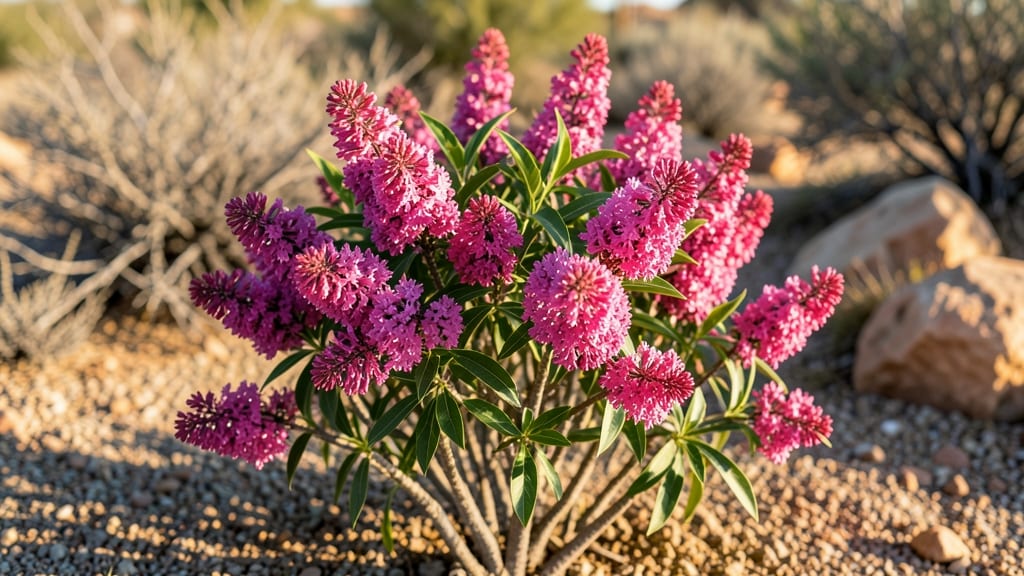
Growing lilac trees in Arizona requires choosing heat-resistant types like 'Miss Kim' or 'Dwarf French,' which handle desert heat with minimal water needs. Plant them in well-draining soil, shield from intense afternoon sun, and prune once a year to promote healthy growth.
Arizona’s scorching summers can be brutal for most lilacs, but these hardy varieties are bred to thrive where others wilt. 🌵 The key is selecting compact, drought-tolerant cultivars that bloom reliably despite the heat—'Miss Kim' stays under 3 feet tall while 'Dwarf French' delivers fragrant flowers with minimal care.
These plants also handle Arizona’s alkaline soils better than traditional lilacs, making them the smart choice for desert landscapes.
Beyond variety selection, proper planting techniques make all the difference. 🌱 Start with amended soil that drains quickly (sandy loam works best), and space plants 3-5 feet apart to allow airflow. Mulch heavily with gravel or bark to retain moisture while keeping roots cool.
Water deeply but infrequently—once every 7-10 days during peak heat—rather than shallow daily watering, which encourages weak root systems.
💡 In This Article
- Heat-Tolerant Lilac Varieties for Arizona Climates
- Planting and Care Tips for Desert Lilacs
Heat-tolerant lilac varieties for Arizona climates
Arizona’s extreme heat and low humidity challenge traditional lilacs, but specific cultivars have evolved to handle these conditions. The Miss Kim lilac (Syringa meyeri 'Palibin') stands out as the gold standard, thriving in USDA zones 3-7 with its compact 3-4 foot height and 2-inch fragrant blooms.
Its secret? A naturally drought-resistant root system that stores moisture efficiently, reducing water needs by up to 50% compared to standard lilacs. This variety also blooms on new wood, meaning it can produce flowers even after pruning—critical for Arizona’s unpredictable growing seasons.
The Dwarf French lilac (Syringa vulgaris 'Katherine Havemeyer') offers another excellent option, reaching just 4-5 feet tall while delivering dense purple blooms that perfume the air.
Its key advantage is heat tolerance combined with cold hardiness (zones 3-7), making it adaptable to Arizona’s temperature swings from 110°F summers to 30°F winters. Both varieties feature thicker waxy leaves that reduce water loss through transpiration—a biological adaptation that helps them conserve moisture during dry spells.
Unlike traditional lilacs that may struggle with powdery mildew in Arizona’s humidity fluctuations, these cultivars maintain healthier foliage with minimal fungicide intervention.
What truly sets these varieties apart is their bloom timing. Most Arizona lilacs flower in late spring (April-May), aligning with the state’s cooler months when temperatures average 75-85°F. This timing avoids the 100°F+ heat waves that can stress other flowering plants.
The Miss Kim variety, for example, often reblooms lightly in fall, providing extended color when temperatures drop to 60-70°F. This extended bloom period makes them ideal for desert landscapes where seasonal interest is crucial.
For gardeners in Arizona’s Sonoran Desert region, where summer temperatures exceed 115°F, consider Syringa meyeri 'Superba', which combines heat resistance with prolonged flowering. Its dark purple blooms contrast beautifully against the desert palette while requiring only 1 inch of water per week once established.
The trade-off? These varieties typically produce smaller flowers (1-1.5 inches) compared to their northern counterparts, but their fragrance intensity more than makes up for it, filling gardens with a sweet, syringa scent that persists even in dry air.
When selecting lilacs for Arizona, prioritize varieties with compact growth habits and dark foliage, as lighter leaves absorb more heat. The 'Mme. Lemoine' cultivar, while not as heat-tolerant, occasionally thrives in higher elevations (Flagstaff area) where cooler nights (50-60°F) help offset daytime heat.
Always check the USDA hardiness zone map for your specific location—Phoenix (zone 9b) requires more heat-resistant types than Tucson (zone 9a) due to its hotter microclimate.
One common misconception is that all lilacs need full sun to thrive. In Arizona’s intense light, morning sun with afternoon shade is ideal—this prevents leaf scorch while still allowing sufficient photosynthesis. Use deciduous trees or lattice screens to filter 2-4 PM sunlight during peak summer months.
The right variety paired with proper light conditions can transform your desert garden into a fragrant oasis that blooms reliably year after year.