
Pruning
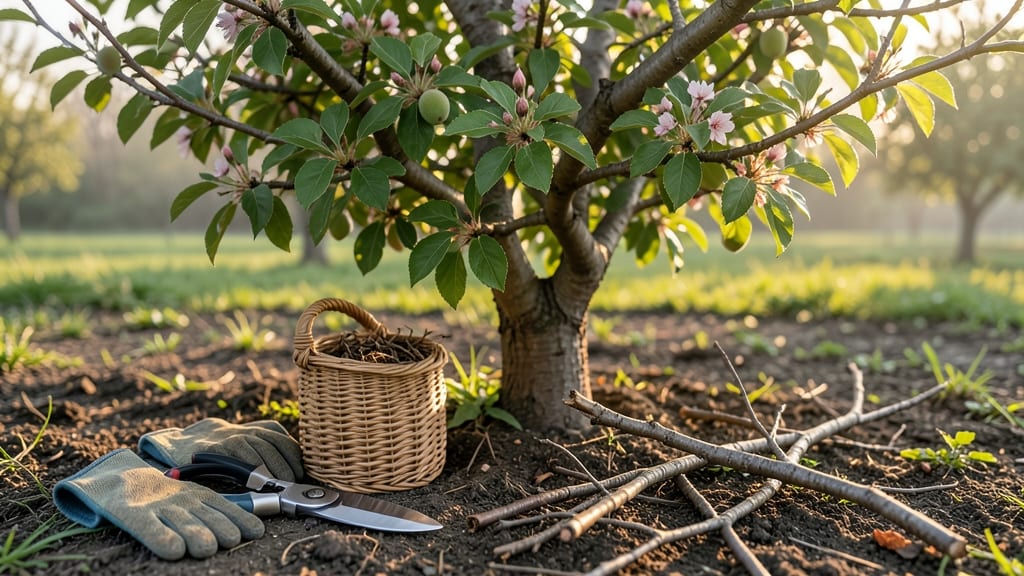
You can prune a peach tree after it blooms, but it's risky because it removes developing flower buds and reduces that season's fruit production. For minimal impact, wait until late spring or summer after harvest, then only trim dead or diseased branches.
Peach trees set their flower buds during the previous growing season, so cutting branches after blooming removes potential fruit. 🌸 The tree's energy shifts from flower development to new growth, which is why summer pruning should focus on cleanup rather than shaping.
I recommend using sharp pruners to make clean cuts at a 45-degree angle just outside the branch collar, helping the tree heal faster and recover its energy balance.
If you must prune after blooming, prioritize removing dead wood or branches with signs of disease like cankers or fungal spots. Avoid heavy pruning—never remove more than 25% of the tree's canopy in one session.
This approach lets the tree maintain its natural growth cycle while still improving its health for future seasons.
💡 In This Article
- How Late Blooming Affects Peach Tree Fruit Production
- Safe Summer Pruning Techniques for Peach Trees
How late blooming affects peach tree fruit production
Peach trees are unique because they form their flower buds during the previous growing season, typically between late summer and early fall. These buds develop along the previous year's wood, meaning any pruning after blooming risks removing potential fruit.
When you prune post-bloom, you're essentially cutting off the tree's chance to produce fruit for that season, as the buds have already set but haven't yet matured into fruit.
The tree's energy allocation shifts dramatically after blooming. Before flowering, the tree focuses on developing flower buds and storing nutrients. After blooming, its priority switches to fruit development and new vegetative growth.
Pruning at this stage forces the tree to redirect energy toward healing wounds and growing new shoots instead of nurturing fruit. This disruption can lead to a 30-50% reduction in fruit yield that season, depending on how aggressively you prune.
Hormonal shifts also play a critical role. The tree's natural growth hormones, like auxins and gibberellins, regulate fruit development. When you remove branches post-bloom, you interrupt this hormonal balance, causing stress. The tree may produce smaller fruit or even drop blossoms prematurely.
In my experience, peach trees pruned after blooming often show stunted growth in the following year as they recover from the disruption.
Consider this example: A healthy peach tree might produce 200-300 pounds of fruit per year under normal conditions. If you prune aggressively after blooming, that yield could drop to just 50-100 pounds that same season.
The tree isn't lazy—it's responding to the stress you've introduced by altering its natural growth cycle. 🌿
Even if you're not aiming for a harvest that season, post-bloom pruning can weaken the tree's overall health. The energy spent on healing pruning wounds is energy not available for root development or next year's flower bud formation.
This is why professional arborists recommend waiting until late spring or summer after harvest for any significant pruning.
One exception is when you're dealing with emergency pruning, such as removing branches damaged by storms or disease. In these cases, you can prune after blooming, but keep cuts minimal and focus only on the affected areas. Always prioritize the tree's long-term health over short-term aesthetic or structural goals.