
Pruning
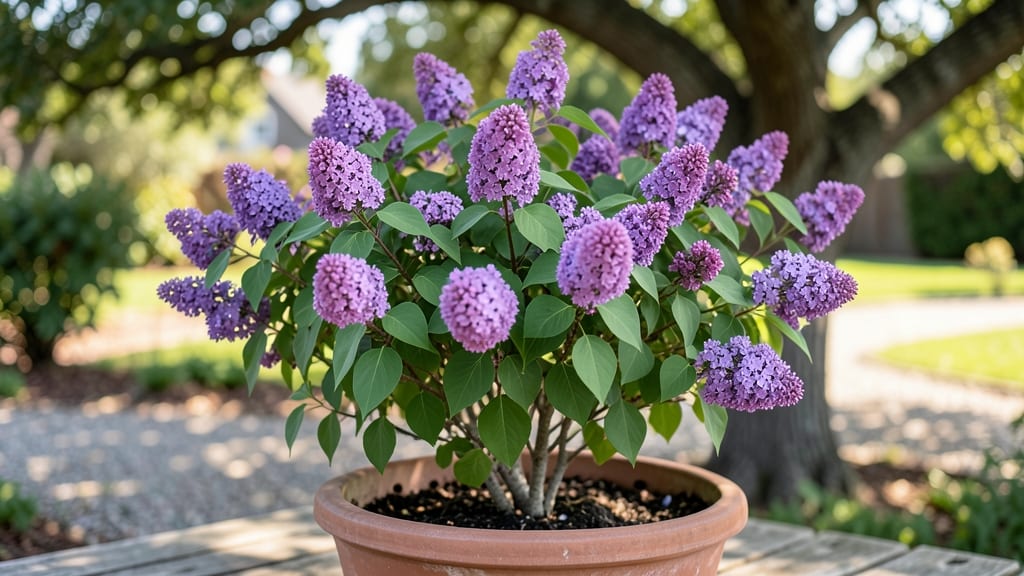
Your lilac tree in pot can perfume your patio for decades—if you prune it right. 🌸 I’ve had mine in containers for seven years, and the secret isn’t just the soil or watering (though those matter).
It’s the timing of those sharp snips that keeps it blooming like crazy every spring. Most gardeners overlook how potted lilacs need more frequent pruning than in-ground plants—roots can’t spread as easily, so you’re shaping and encouraging growth.
Start by choosing a 5-gallon pot minimum (7-gallon for mature plants) with drainage holes, and fill it with a mix of potting soil and compost. The roots hate soggy feet, but they love that rich, airy blend.
By mid-June, you’ll be rewarded with clusters of fragrant blooms that last weeks longer than store-bought cuttings. The key is pruning right after flowering—never in fall or winter, when the plant’s already conserving energy.
A clean cut at a 45-degree angle just above a leaf node keeps it bushy and healthy. This works for patios, balconies, or even large windowsills—just move the pot to full sun (6+ hours daily) and protect it from winter winds. The trade-off?
You’ll need to water 2-3 times a week in summer, but the payoff is lilacs that outlast their in-ground cousins.
📚 In This Guide
- What you need
- Instructions
- Tips and common mistakes
- Wrapping up and next steps
What you need
- ● Lilac tree (Prunus spp.) – Choose a dwarf variety (e.g., Kister or Minnesota Snowflake) for container growing. Ensure it’s disease-resistant.
- ● Large container (18–24 inches in diameter) – Must have drainage holes and be made of durable material (e.g., ceramic, plastic, or fiberglass).
- ● High-quality potting mix – Use a well-draining blend (e.g., 50% potting soil, 30% perlite, 20% compost). Avoid garden soil.
- ● Slow-release fertilizer (10-10-10 or 14-14-14) – Apply 2–3 tablespoons per year in early spring.
- ● Organic mulch (e.g., bark chips or pine straw) – 2–3 inches to retain moisture and regulate temperature.
- ● Pruning shears (bypass or anvil type) – Sharp, clean tools to avoid damaging branches.
- ● Gloves – Protect your hands from thorns and sap.
- ● Watering can or hose with a gentle spray nozzle – Lilacs prefer deep, infrequent watering.
- ● Support stake or trellis – Helpful for young or top-heavy varieties.
- ○ Fungicide (optional) – Use copper-based sprays if your area is prone to powdery mildew.
- ● Container saucer or tray – Catches excess water and prevents messes.
Step-by-step instructions for growing a lilac tree in a pot
Here's how to keep your lilac blooming beautifully in containers for years.
🪴 Step 1: Select the Right Container and Drainage
Choose a pot at least 24 inches wide and deep—lilacs have extensive root systems that need room to spread. I always opt for containers with drainage holes and a saucer to catch excess water. Terra cotta pots work best because they breathe, preventing root rot in the humid conditions lilacs prefer.
If your pot lacks drainage, drill holes in the bottom yourself. Place a 2-inch layer of gravel or broken pottery at the base before adding soil. This creates an air pocket that prevents waterlogging, which lilacs despise. Remember, the wider the pot, the more stable the tree—wind can topple shallow-rooted lilacs in containers.
🌱 Step 2: Prepare the Soil Mix for Lilacs
Lilacs thrive in well-draining, slightly alkaline soil with a pH between 6.5 and 7.5. Mix 50% high-quality potting soil with 30% perlite or coarse sand and 20% compost to create the perfect balance. Avoid garden soil—it compacts in pots and suffocates roots.
Before planting, moisten the mix until it's damp but not soggy. A good test is squeezing a handful—it should hold together but not drip water. I like to add a slow-release fertilizer with a 10-10-10 ratio to the mix at planting time. This gives the lilac a steady nutrient supply without risking root burn from over-fertilizing.
✂️ Step 3: Plant and Prune for Structure
When planting, dig a hole twice as wide as the root ball but no deeper. Gently loosen the roots if they're circling, then place the lilac in the center of the pot. Fill around the roots with your soil mix, pressing lightly to remove air pockets. Water deeply until it drains from the bottom holes.
Here's the thing—lilacs bloom on old wood, so pruning at the wrong time kills next year's flowers. Prune immediately after flowering by cutting back one-third of the oldest stems to the ground. This encourages new growth and maintains a compact shape. Use clean, sharp pruners to make cuts at a 45-degree angle just above a outward-facing bud.
☀️ Step 4: Position for Sunlight and Watering
Lilacs need full sun (6-8 hours daily) to produce their signature fragrant blooms. Place your pot in a spot with morning sun and afternoon shade if you live in a hot climate—this prevents leaf scorch. I've seen lilacs in pots wilt dramatically when moved from shade to full sun without acclimation.
Water when the top 2 inches of soil feel dry. Lilacs in pots dry out faster than in-ground plants, so check daily during summer. Water deeply until it runs from the drainage holes, then let excess drain away. Overwatering causes root rot, while underwatering leads to leaf drop. Mulch the surface with 1-2 inches of bark chips to retain moisture and regulate soil temperature.
⏰ Step 5: Year-Round Maintenance for Blooms
Feed your potted lilac in early spring with a balanced fertilizer (like 20-20-20) to support new growth. I apply half the recommended dose to avoid burning roots. Lilacs don't need much fertilizer—too much produces lush foliage at the expense of flowers. After blooming, switch to a low-phosphorus fertilizer to encourage next year's buds.
In winter, move the pot to a sheltered location if temperatures drop below 15°F. Lilacs tolerate cold but may suffer in freezing winds. If your pot is heavy, use a dolly to reposition it safely. Prune again in late winter (just before buds swell) to remove any dead or crossing branches. This keeps the tree open and airy, preventing disease.
Tips & tricks for perfect potted lilac care
Took me years to master these secrets—here's how to keep your container-grown lilac thriving and fragrant for decades.
Container Size Matters: That 24-inch minimum width isn't just arbitrary—it gives roots room to spread horizontally while preventing wind from toppling your tree. I've seen lilacs in 18-inch pots struggle with stunted growth and poor blooming. If you're working with a smaller space, choose a dwarf variety like 'Miss Kim' and upgrade to a 20-inch pot instead. The extra width also helps prevent root circling, which can strangle your lilac over time.
Drainage is Non-Negotiable: I can't stress this enough—lilacs in pots will rot if they sit in soggy soil. If your chosen pot lacks drainage holes, drill them yourself using a power drill with a masonry bit. For extra insurance, add a 3-inch layer of gravel or broken terra cotta pieces at the bottom. This creates a proper air pocket that prevents waterlogging while still allowing excess to drain. Pro tip: Place your pot on a saucer with feet to keep it elevated above standing water.
Soil Mix Secrets: The 50-30-20 ratio of potting soil, perlite/sand, and compost is perfect, but here's what I've learned: Use coarse perlite (not fine horticultural perlite) to prevent compaction, and mix in a handful of lime to maintain that slightly alkaline pH. I test my mix with a simple pH meter—aim for 6.8-7.2. Too acidic? Add more lime. Too alkaline? Mix in some peat moss. The right pH makes all the difference in bloom quality.
Pruning Precision: When you cut back those one-third of oldest stems, here's the key: Make your cuts just above a bud that faces outward. This encourages new growth that won't crowd the center. I always prune on a dry day when the buds aren't swelling—never prune in fall or you'll sacrifice next year's blooms. And here's a little-known trick: After pruning, give your lilac a light feeding with a low-nitrogen fertilizer (like 5-10-10) to help it recover quickly.
Pro Tips for Lilac Tree In Pot
- Took me years to master these secrets—here's how to keep your container-grown lilac thriving and fragrant for decades.
- Container Size Matters: That 24-inch minimum width isn't just arbitrary—it gives roots room to spread horizontally while preventing wind from toppling your tree.
- Drainage is Non-Negotiable: I can't stress this enough—lilacs in pots will rot if they sit in soggy soil.
Frequently asked questions
Got questions about keeping your lilac tree in a pot thriving? You’re not alone! Here are answers to the most common concerns—from pruning to placement—so you can enjoy that sweet fragrance all year.
How often should I prune a potted lilac?
Prune your lilac right after flowering (late spring/early summer) to encourage new blooms. Give it a light trim annually to maintain shape, but avoid heavy cuts—lilacs bloom on old wood. Skip winter pruning unless removing dead branches, as it can harm next year’s flowers.
Can a potted lilac survive winter outdoors?
Yes, but protect it! Move the pot to a sheltered spot (like a garage or against a wall) before hard frosts. Wrap the container in burlap and mulch the soil with straw or leaves. If temps drop below 10°F (-12°C), bring it indoors near a sunny window or use a heating mat.
Why isn’t my potted lilac blooming?
Lilacs need full sun (6+ hours/day) and well-draining soil. Check for:
- Overcrowded roots (repot every 2–3 years).
- Poor nutrition (feed with balanced fertilizer in early spring).
- Over-pruning (never cut more than 1/3 of the plant at once).
What’s the best pot size for a lilac tree?
Start with a 15–20 gallon container for mature lilacs (they have tapered roots). Ensure it has drainage holes to prevent root rot. If repotting, choose a pot only 2–3 inches larger in diameter—bigger pots = slower blooming. Terracotta works well for heat retention.
Are there dwarf lilac varieties for pots?
Try these compact options:
Variety
Height
Notes
‘Miss Kim’
3–4 ft
Fragrant, disease-resistant, blooms early.
‘Dwarf Korean’
4–5 ft
Vibrant purple flowers, great for small spaces.
‘Bloomerang’
5–6 ft
Reblooms twice per season!
Wrapping up and next steps
Growing a lilac tree in a pot is a rewarding way to enjoy its stunning blooms and intoxicating fragrance year-round—with the right care! 🌸 By mastering pruning techniques, choosing the perfect container, and staying mindful of sunlight and soil needs, you’ll keep your lilac thriving for seasons to come.
Ready to take the next step? Start small: pick a healthy lilac cutting or young tree, gather your tools, and dive into pruning like a pro! With patience and practice, your fragrant potted lilac will become the star of your garden—or even your balcony. Happy growing! 🌿✨