
Container Gardens
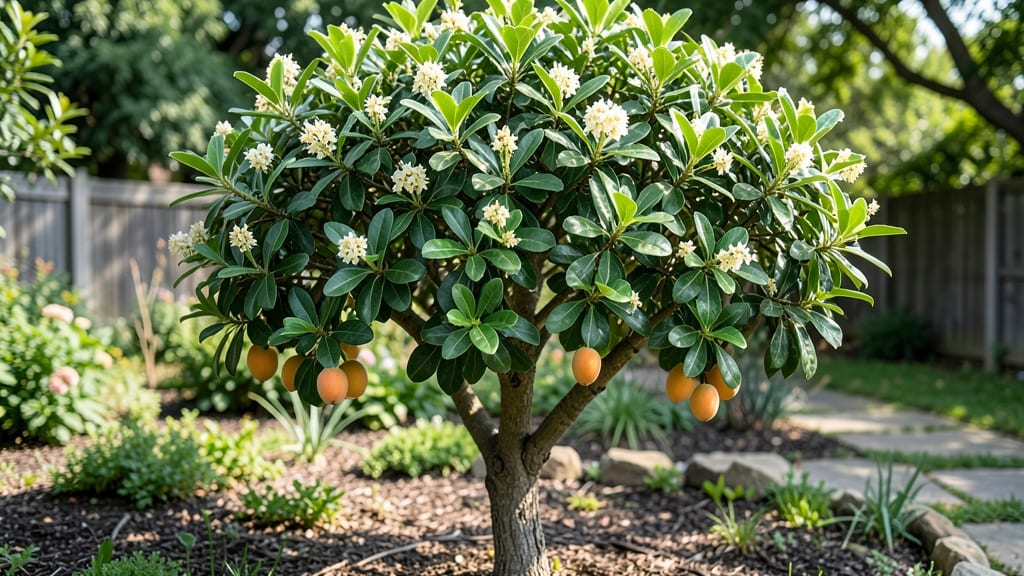
Growing a loquat tree in a pot means sweet, golden fruit right on your patio—no yard needed. 🌱 I’ve watched mine produce harvests from spring through fall, and the key is treating it like a houseplant with a few extra rules. The secret?
A pot just big enough to hold roots without crowding, paired with soil that drains fast but holds moisture. Start with a 15- to 20-gallon container (5-gallon minimum for dwarf varieties) and drainage holes—root rot is the silent killer of potted loquats.
Use a mix of 60% potting soil, 30% perlite, and 10% compost to mimic its native sandy loam. Place it where it gets 6+ hours of sunlight daily, but protect it from scorching afternoon sun in hot climates.
Water when the top inch of soil feels dry, then let excess drain away—overwatering is the #1 mistake beginners make. By summer, you’ll see clusters of fragrant white flowers giving way to small, apricot-like fruits that ripen in 3-4 months.
Prune lightly after harvest to shape the tree and encourage airflow, but never cut more than 25% of the canopy in one go. The real magic happens in winter: keep it above 30°F (most loquats need chill hours to fruit), and you’ll have another season of harvests ahead.
This works for balconies, patios, or even sunny windowsills—just adjust the pot size for your space. The only trade-off? Smaller trees mean fewer fruits, but the flavor is worth it. Ready to grow your own tropical treat?
📚 In This Guide
- What you need
- Instructions
- Tips and common mistakes
- Wrapping up and next steps
What you need
- ● Loquat tree (Eriobotrya japonica) – Choose a dwarf variety (e.g., ‘Big Jim’ or ‘Champagne’) for better potted growth. Size: 1–3 gallon container at planting.
- ● Pot with drainage holes – Size: 15–25 gallons (minimum 18" diameter) for mature trees. Material: Terracotta or fabric (breathable).
- ● Well-draining potting mix – Blend: 60% cactus/succulent mix + 30% perlite + 10% compost. Note: Avoid heavy garden soil.
- ● Drainage layer – Material: 2–3" of gravel, pumice, or ceramic shards at the pot’s base.
- ● Gloves & trowel – For planting and soil adjustments.
- ● Watering can or hose with gentle nozzle – Loquats dislike soggy roots!
- ○ Slow-release fertilizer (optional) – Type: Balanced 10-10-10 or citrus-specific. Frequency: Apply spring/fall.
- ○ Mulch (optional) – Material: Pine bark or straw to retain moisture (keep 2" away from trunk).
- ○ Sunlight meter or app (optional) – To track light exposure (loquats need 6+ hours of sun daily).
Step-by-step instructions for growing a loquat tree in a pot
Here's how to keep your loquat tree thriving in containers—fruit included!
🪴 Step 1: Choose the Right Pot and Drainage
Start with a 5-gallon container at minimum—loquat roots spread quickly, and cramped pots stunt growth. I use unglazed terra cotta because it breathes, but plastic works too if you drill extra drainage holes. Place 1-2 inches of gravel or broken pottery at the bottom first—this prevents soil from clogging the holes and keeps roots dry.
Loquats hate soggy feet, so never skip drainage. If your pot has a saucer, empty it after watering to avoid root rot. Here's the thing—if you see water pooling after 10 minutes, your pot's too small. Upgrade before transplanting.
🌱 Step 2: Plant with Well-Draining Soil Mix
Fill the pot with a blend of 60% potting mix, 30% perlite, and 10% compost. Loquats need airy soil that drains fast but holds moisture. I mix everything dry first, then add warm water until it feels like a damp sponge—not dripping. Tap the pot gently to settle the mix without compacting it.
Dig a hole twice as wide as the root ball but only as deep as the top roots. Place your loquat tree so the graft union (the bump where trunk meets rootstock) sits 2 inches above soil level. This prevents rot and encourages stronger growth. Backfill carefully, pressing soil around roots to remove air pockets.
☀️ Step 3: Position for Maximum Sunlight
Loquats crave full sun—at least 6-8 hours daily. A south-facing patio or balcony works best, but if you're in a hot climate, afternoon shade prevents leaf scorch. I notice my tree's leaves turn a deeper glossy green when it gets enough light, and that's when fruit sets reliably.
Rotate the pot quarter-turn weekly so the tree grows evenly. You'll see leggy growth if it's always reaching toward one light source. In winter, supplement with a grow light if natural light drops below 4 hours daily—loquats need consistent light to fruit.
💧 Step 4: Water Deeply but Infrequently
Water when the top 2 inches of soil feel dry—stick your finger in to check. Soak the pot until water runs out the drainage holes, then let it drain completely. I water every 5-7 days in summer and every 10-14 days in winter—overwatering is the #1 killer of potted loquats.
Mist the leaves weekly to mimic humidity, especially in dry climates. You'll know moisture is right when new leaves unfurl plump and vibrant. Yellowing leaves? That's your cue to cut back—loquats hate soggy roots but love consistent hydration.
✂️ Step 5: Prune for Shape and Fruit Production
Prune right after harvest (late winter) to shape the tree and encourage fruiting. Cut back overly long branches by 1/3 to open the center for airflow. I always use sterilized shears to prevent disease—loquats are sensitive to fungal infections.
Remove any suckers (shoots at the base) immediately—they sap energy from fruit production. Thin out crowded branches too; you want 6-8 main limbs spaced evenly. Here's the trick: prune just before new growth starts—the tree heals faster and sets more fruit that season.
Tips & tricks for perfect loquat tree growth in pots
A few simple strategies will help your container-grown loquat thrive and produce fruit reliably—even in limited space.
Pot Size Matters: That 5-gallon minimum isn't just a suggestion—loquat roots grow aggressively. If you notice roots circling the pot's interior after 2 years, it's time to upgrade to 7-10 gallons. I've seen trees in 5-gallon pots struggle after just 18 months, while those in 7-gallon containers produced fruit every season. The extra space prevents root binding, which stunts growth and reduces fruiting.
Soil Mix Secrets: The 60-30-10 blend works perfectly, but here's what I've learned: pre-moisten your perlite before mixing—it absorbs water like a sponge and prevents clumping. Also, add a handful of orchid bark (optional) to improve aeration. When tapping the pot to settle soil, do it gently—you want firmness without compaction. Think "fluffy cake batter" not "dense mud."
Light Positioning: That 6-8 hours of sun is non-negotiable, but here's the trick: move your pot to catch morning sun in summer and afternoon sun in winter. I rotate mine every 2 weeks to prevent one-sided growth. For indoor growers, place near south-facing windows first, then supplement with grow lights if natural light drops below 4 hours daily. The key is consistent light exposure—loquats won't fruit if they get erratic sunlight.
Watering Wisdom: The 10-minute drainage test is your best friend. After watering, lift the pot—if it feels significantly lighter, you've drained properly. In winter, let the top 3 inches dry out before watering (not just 2 inches). I've found that overwatering in cooler months causes more problems than underwatering. And that weekly misting? Use distilled water if possible—tap water minerals can build up on leaves over time.
Pro Tips for Loquat Tree In Pot
- A few simple strategies will help your container-grown loquat thrive and produce fruit reliably—even in limited space.
- Pot Size Matters: That 5-gallon minimum isn't just a suggestion—loquat roots grow aggressively.
- Soil Mix Secrets: The 60-30-10 blend works perfectly, but here's what I've learned: pre-moisten your perlite before mixing—it absorbs water like a sponge and prevents clumping.
Frequently asked questions
Got questions about growing a loquat tree in a pot?
You’re not alone! Here are answers to the most common concerns—from fruiting tips to troubleshooting—so you can enjoy sweet rewards without the hassle.
Can a loquat tree in a pot actually produce fruit?
With the right care—like full sun (6+ hours daily), well-draining soil, and a 15–25 gallon pot—your loquat tree can thrive and bear fruit. Just be patient: younger trees (under 3 years) may take time, but mature trees reward you with juicy, honey-like fruit year-round in warm climates (Zones 8–11).
How long does it take for a potted loquat tree to bear fruit?
Patience is key! Most potted loquat trees start flowering around 3–5 years old and may produce fruit within a year or two after that. For faster results, choose a grafted tree (they fruit sooner) and ensure it gets regular watering (but avoid soggy roots) and balanced fertilizer (like 10-10-10) during spring and summer.
What’s the best temperature range for a potted loquat tree?
Loquats love warmth but can handle a little chill. Ideal temps are 60–85°F—they’ll thrive in summer heat but may drop leaves if exposed to below 30°F. In colder zones, move your pot indoors near a bright window or use a greenhouse during winter. Just avoid drafts or sudden temp swings!
Why isn’t my potted loquat tree fruiting?
No fruit? Check these fixes:
- Age: Trees under 3 years often need more time.
- Sunlight: Insufficient light = fewer flowers. Move to a sunnier spot.
- Pollination: Hand-pollinate with a soft brush if bees are scarce.
- Fertilizer: Low nitrogen can stunt growth. Switch to a fruit-specific formula in spring.
- Pot size: Root-bound trees focus on growth, not fruit. Repot if roots circle the container.
Are there dwarf loquat varieties better for pots?
Yes! While most loquats aren’t true "dwarfs," these compact-friendly picks work well in pots:
- ‘Big Jim’ – Reliable fruit producer, grows to ~10–12 ft (prune to control size).
- ‘Algerian’ – Cold-hardy and smaller, great for Zones 7–10.
- ‘Golden Nugget’ – Early bloomer, stays manageable with pruning.
Wrapping up and next steps
Growing a loquat tree in a pot is a rewarding way to enjoy tropical fruit year-round, even in small spaces! With the right care—sunlight, well-draining soil, and occasional pruning—you’ll be harvesting sweet, golden orbs in just a few years.
Whether you’re a seasoned gardener or a beginner, this compact citrus relative thrives with patience and love.
Ready to take the next step? Pick your pot, plant your seedling, and watch your little tree grow! 🌱✨ Share your progress with fellow plant lovers or treat yourself to a fresh loquat straight from your container garden. Happy growing!