
Pruning
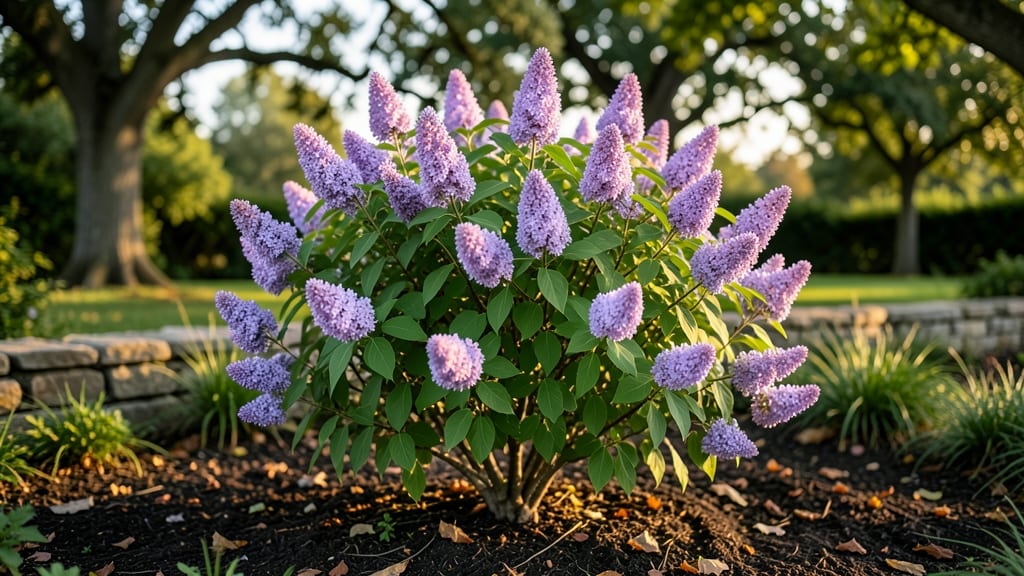
Ohio’s lilac trees burst into fragrance every spring, but their pruning timing and technique differ from other climates—get it wrong, and you’ll sacrifice next year’s blooms.
I’ve pruned dozens of lilacs across Ohio’s zones 5-6, and the secret lies in cutting at the right moment: right after flowering, never in fall or winter. This ensures you never trim off next season’s buds hidden in last year’s wood.
The first step is identifying the right branches to cut: dead, crossing, or overcrowded stems get removed first. Use sharp bypass pruners and cut at a 45-degree angle just above an outward-facing bud.
Ohio’s humid summers mean clean cuts prevent disease—sterilize your tools with rubbing alcohol between cuts. Most lilacs need only light shaping, not heavy pruning, to maintain their natural form.
What you’ll end up with is a tree that blooms earlier and more abundantly each year, with fewer pests and diseases. The fragrance alone makes it worth the effort—imagine walking past your yard in May and being hit with that classic lilac scent.
Proper pruning also extends the tree’s lifespan, so you’re not replanting every decade.
Ohio’s climate adds one critical twist: watch for borers and powdery mildew after pruning. Apply a copper fungicide in early spring if you spot white residue on leaves. For container-grown lilacs, prune similarly but avoid heavy cuts—root systems are more sensitive.
Whether you’re pruning a heritage variety like ‘Katherine Havemeyer’ or a modern hybrid, these techniques work.
📚 In This Guide
- What you need
- Instructions
- Tips and common mistakes
- Wrapping up and next steps
What you need
- ● Pruning shears or loppers: Sharp, bypass-style tools (avoid anvil shears—they crush stems). Choose 5-7 inch blades for small branches and 8-10 inch loppers for thicker limbs (up to 2 inches in diameter).
- ● Pruning saw: A bow saw or folding pruning saw for branches thicker than 2 inches. Look for a 10-12 inch blade with fine teeth for clean cuts.
- ● Disinfectant (70% isopropyl alcohol or bleach solution): 1 part bleach to 9 parts water in a spray bottle to sterilize tools between cuts and prevent disease spread.
- ● Gloves: Heavy-duty, gardening gloves with cut-resistant palms to protect from thorns and rough branches.
- ● Ladder or stool: A stable, extendable ladder (or a 3-step stool for shorter trees) to reach higher branches safely. Ensure it’s rated for at least 250 lbs.
- ● Heavy-duty trash bags: 2-3 30-gallon contractor bags for collecting pruned branches and debris.
- ○ Marking twine or flags: Optional but helpful—use brightly colored twine or plant tags to mark branches for removal before cutting.
- ● Hand pruners: Small, ergonomic bypass pruners (3-4 inches) for delicate trimming of small stems.
- ● Rubbing alcohol wipes: For quick tool disinfection between cuts if you don’t want to spray.
- ● Safety glasses: To protect your eyes from debris, especially when using a pruning saw.
- ● Tree wound dressing: Pruning sealant (controversial but some gardeners swear by it for large cuts). If using, choose a water-based, non-toxic formula.
- ● Camera or phone: Capture before/after photos to track your lilac’s progress over the years!
Instructions for pruning lilac trees in Ohio
Ohio’s climate demands a strategic approach to lilac pruning—timing matters just as much as technique.
Prune Immediately After Flowering
Lilacs bloom on old wood, so the best time to prune is right after the flowers fade but before new buds form. In Ohio, this typically falls between late May and early June, depending on your microclimate. Wait too long, and you’ll cut off next year’s blossoms.
Start by removing any dead, diseased, or crossing branches first. These weaken the tree and compete for energy. Use clean, sharp pruners to make cuts just above a bud or lateral branch, angled slightly away from the bud to prevent water pooling. This ensures a smooth healing process and encourages new growth in the right direction.
Thin the Canopy for Better Airflow
Lilacs naturally grow dense, which can lead to fungal issues in Ohio’s humid summers. Aim to thin the canopy by 20-30% to improve airflow and sunlight penetration. Focus on removing branches that grow inward or rub against others—these are prime spots for disease.
Look for branches that are thinner than a pencil and remove them entirely at the base. For thicker branches, cut them back to a strong lateral branch or bud. Avoid over-thinning, as lilacs thrive on a balanced structure. Step back occasionally to visualize the tree’s shape—you want an open, vase-like form that showcases the blooms.
Shape the Tree for Optimal Bloom Display
Pruning isn’t just about maintenance—it’s about enhancing the lilac’s natural beauty. After thinning, lightly shape the tree by shortening some of the longer branches by one-third to one-half. This encourages bushier growth and more abundant flowers next season.
Pay attention to the tree’s natural growth habit. Lilacs tend to grow in tiers, so preserve this layered look. Avoid heavy pruning in the center, as this can create a "hole" in the canopy. Instead, focus on the outer branches to maintain a full, rounded silhouette. In Ohio’s climate, this approach also helps the tree withstand winter winds better.
Clean Up and Prepare for Winter
Once pruning is complete, remove all clippings from the area to prevent fungal spores from overwintering. Lilacs are susceptible to powdery mildew, a common issue in Ohio, so keeping the area clean is critical. If you notice any signs of disease on the branches, sterilize your pruners with rubbing alcohol between cuts.
Apply a 2-3 inch layer of mulch around the base of the tree, but keep it a few inches away from the trunk to prevent rot. This helps regulate soil temperature and retain moisture, which is especially important during Ohio’s hot summers. Water deeply after pruning to help the tree recover and establish new growth.
Monitor and Adjust for Ohio’s Climate
Lilacs in Ohio benefit from a light pruning in late winter or early spring (February to March) to remove any dead or damaged wood that survived the winter. However, avoid heavy pruning during this time, as it can stimulate too much new growth before the tree is ready to harden off for summer.
Watch for signs of stress, such as yellowing leaves or stunted growth, which can indicate over-pruning or environmental issues. If you notice these signs, adjust your approach—lilacs are resilient but do best with a gentle hand. In Ohio’s variable climate, consistency in timing and technique is key to keeping your lilac healthy and blooming beautifully for years.
Tips & tricks for perfect lilac pruning in Ohio
Ohio’s humid summers and variable winters demand a thoughtful approach to lilac care—here’s how to avoid common pitfalls and elevate your pruning game.
Timing is Everything: The late May to early June window for pruning after flowering is non-negotiable for Ohio lilacs. I’ve seen beautiful blooms sacrificed because pruning occurred too late—always check for new bud formation before cutting. If you miss this window, wait until late winter (February-March) for light maintenance, but avoid heavy pruning then to prevent stress before summer.
Tool Precision Matters: Using clean, sharp pruners isn’t just about ease—it’s about the tree’s health. Dull blades tear bark, creating entry points for disease. I sterilize my tools with rubbing alcohol between cuts, especially when dealing with diseased branches. For thicker branches, consider a pruning saw for clean cuts without crushing. The goal is to make cuts just above a bud or lateral branch at a 45-degree angle to prevent water pooling.
Canopy Balance is Key: When thinning by 20-30%, focus on removing branches thinner than a pencil at the base and thicker branches back to strong lateral branches. This open vase shape isn’t just aesthetic—it’s crucial for Ohio’s humid climate, where dense canopies trap moisture and invite powdery mildew. Step back frequently to visualize the tree’s shape; you want sunlight to penetrate to the inner branches while maintaining that classic layered look.
Post-Pruning Care Prevents Problems: The 2-3 inch layer of mulch and deep watering after pruning are often overlooked but critical steps. In Ohio’s summers, this helps regulate soil temperature and retain moisture, which is especially important when the tree is establishing new growth. I’ve seen many pruned lilacs struggle because homeowners skipped this step—don’t make that mistake.
Pro Tips for Lilac Tree Ohio
- Ohio’s humid summers and variable winters demand a thoughtful approach to lilac care—here’s how to avoid common pitfalls and elevate your pruning game.
- Timing is Everything: The late May to early June window for pruning after flowering is non-negotiable for Ohio lilacs.
- Tool Precision Matters: Using clean, sharp pruners isn’t just about ease—it’s about the tree’s health.
Frequently asked questions
Got questions about pruning your lilac tree in Ohio? You’re not alone! Here are some of the most common concerns—plus expert answers to keep your tree thriving.
When is the absolute best time to prune lilacs in Ohio?
The ideal window is right after flowering (late May to early June)—but never prune in fall or winter. Ohio’s unpredictable spring frost can delay blooms if you cut too early. Pro tip: Wait until after 50% of buds have opened to avoid sacrificing next year’s flowers!
Can I prune lilacs in early spring before they bloom?
While you can light pruning in early spring (like removing dead wood), avoid heavy cuts—this removes next year’s flower buds! Heavy spring pruning is a no-go for Ohio lilacs. Focus on shaping after blooms fade for best results.
How do I revive an overgrown lilac tree in Ohio?
If your lilac looks like a wild bush, don’t panic! Start with rejuvenation pruning: Cut back 1/3 of the oldest stems to the ground every 2–3 years. Space it out to avoid shocking the tree. Pair this with balanced fertilizer (10-10-10) in early spring for a comeback.
Will pruning lilacs harm bees or butterflies?
Pruning after blooms (late May–June) gives pollinators time to visit! Avoid cutting before flowers open. For extra help, leave 1–2 stems unpruned to support late-season pollinators. Ohio’s native bees love lilacs—keep them happy!
What if Ohio’s extreme weather (freeze/thaw) stresses my lilac?
Ohio’s rollercoaster weather can stress lilacs, but they’re tough! Mulch 3–4 inches deep around the base to protect roots. If buds blacken after a late frost, don’t trim them—new growth may still emerge. Water deeply during droughts (1–2 inches/week).
Are there alternatives to pruning if my lilac is too small?
If your lilac is young or tiny, skip heavy pruning—focus on removing only dead/diseased branches. For dwarf varieties (like ‘Miss Kim’), minimal pruning keeps them compact. Let them naturally shape for the first 2–3 years!
Wrapping up and next steps
Ohio’s lilac trees reward patience and care with stunning blooms year after year—and now you’ve got the timing, tools, and techniques to keep them thriving! 🌸 Whether you’re a first-time pruner or a seasoned gardener, mastering the art of lilac maintenance ensures your tree stays healthy, vibrant, and full of fragrance.
Ready to put your newfound knowledge into action?
🌱 Next steps:
- Mark your calendar for late spring or early summer (after blooming) to prune.
- Grab your tools and give those branches a fresh trim—your lilac will thank you!
- Share your progress (or blooms!) with fellow Ohio gardeners for extra motivation.