
Pests
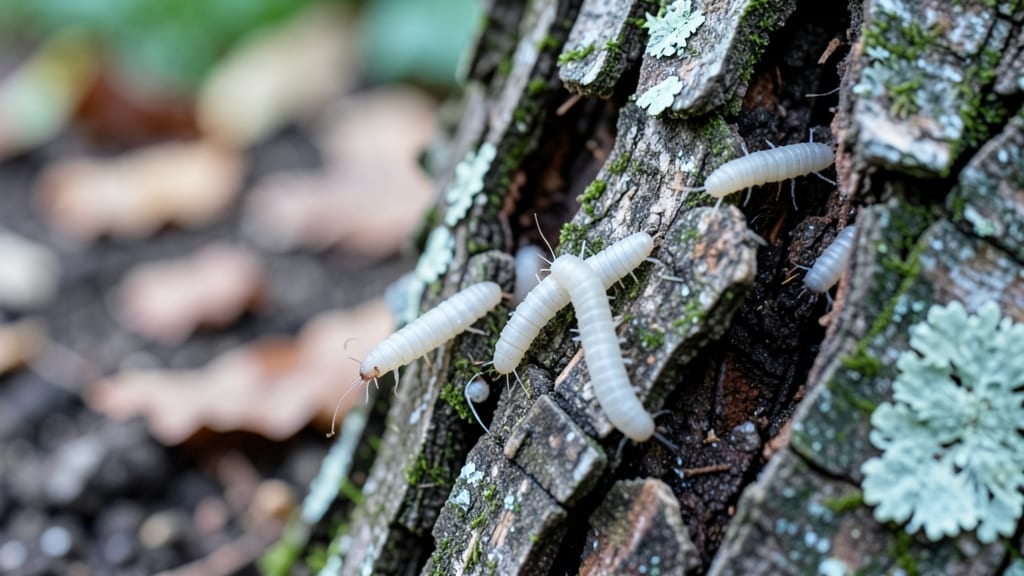
Finding little white worms in tree bark means your tree is under attack—likely by wood-boring beetle larvae or other invasive pests that tunnel through healthy wood. 🌳 I’ve seen these tiny invaders turn once-thriving trees into hollow shells, and the key to saving yours is acting fast with the right identification and treatment.
The damage starts small but worsens quickly as these larvae chew through bark, disrupting nutrient flow and leaving your tree vulnerable to disease. Common culprits include bark beetles, carpenterworms, or even termites—each with slightly different habits and weaknesses.
The sooner you identify them, the better your chances of stopping the spread before it’s too late.
You’ll learn how to safely remove these pests using organic methods like beneficial nematodes or chemical treatments when necessary, plus prevention tips to keep your trees healthy long-term. The right approach depends on your tree species and the severity of the infestation, but early action makes all the difference.
Whether you’re dealing with a young sapling or a mature shade tree, this guide covers everything from DIY fixes to knowing when to call in a professional arborist. Let’s get your tree back on track before the damage spreads deeper.
Root Causes Of Bark Invaders
Discovering tiny white worms wriggling in your tree bark isn’t just unsettling—it’s a clear sign that something’s off with your tree’s health or environment. These critters, often larvae of wood-boring insects, don’t just appear out of nowhere.
Their presence is usually tied to specific conditions that make your tree an appealing (or desperate) meal. Let’s break down the most common reasons these pests show up and why they choose your trees as their next project.
Trees, like all living things, have natural defenses. When those defenses are compromised, they become easy targets for pests like bark beetles, woodborers, or sawfly larvae. Here’s how it happens:
- Stress from drought or overwatering:
Trees under stress produce less resin—a sticky, natural pesticide that deters insects.
If your tree is thirsty or drowning in soggy soil, it’s like leaving the door open for pests. 💡 Pro Tip: Check soil moisture by sticking your finger 2–3 inches deep; if it’s bone-dry or muddy, adjust your watering routine.
- Nutrient deficiencies:
Malnourished trees are like weak links in a chain. Lack of nitrogen, phosphorus, or micronutrients (like magnesium) makes bark softer and less resistant. 📊 Signs to watch for: Yellowing leaves, stunted growth, or bark that peels easily.
- Disease or fungal infections:
Fungi like Armillaria (honey mushroom) or bacterial infections can rot the bark, creating perfect entry points for larvae. If you spot mushrooms growing at the tree’s base or oozing sap, your tree is already under siege.
🔥 Action Step: Conduct a simple health check: Tap the bark with a tool—if it sounds hollow or crumbles, the tree is vulnerable. Consider a soil test or consulting an arborist to identify deficiencies.
Not all trees are equally appealing to bark-dwelling larvae. These pests are picky—they target trees that offer shelter, moisture, and easy access to nutrients. Here’s what makes your tree a five-star hotel for them:
| Factor | Why It Attracts Pests | How to Fix It |
|---|---|---|
| 🌧️ High humidity | Moist bark is like a buffet for larvae. Many species, like Sirex woodwasps, thrive in damp environments. | Improve airflow with proper pruning and avoid overwatering. |
| 🪵 Damaged or peeling bark | Exposed inner bark is an open invitation. Pests like powderpost beetles burrow into cracks to lay eggs. | Seal wounds with tree sealant and remove loose bark. |
| 🌲 Overcrowded trees | Trees growing too close share pests like emerald ash borers, which jump from host to host. | Thin out dense foliage and monitor neighboring trees. |
| 🍂 Decaying wood | Dead or dying branches create the perfect nursery for larvae like woodboring moths. | Prune deadwood promptly and dispose of it far from the tree. |
✨ Prevention Tip: Healthy trees with smooth, intact bark are far less tempting. Regular inspections (especially after storms) can catch early signs before pests move in.
Timing matters when it comes to pest infestations. Larvae don’t just appear randomly—they follow a schedule based on weather, tree life cycles, and even human activity. Here’s when your tree is most at risk:
- Spring awakening:
As sap rises in spring, trees become more vulnerable. Pests like horntail wasps emerge to lay eggs in fresh bark. 🌡️ Watch for: Sawdust-like frass (waste) near entry holes.
- Summer drought stress:
Heatwaves weaken trees, making them easier targets for bark beetles. These pests thrive in dry conditions and can kill a tree in weeks.
- Fall cleanup neglect:
Leaving fallen leaves, branches, or mulch piles near trees creates hiding spots for overwintering larvae. 🔪 Action: Rake up debris and store firewood away from tree trunks.
- Human activity:
Freshly cut or wounded trees (from pruning, construction, or storms) release scents that attract egg-laying adults. 💡 Pro Tip: Always sterilize pruning tools with rubbing alcohol to prevent spreading diseases or pests.
⏰ Seasonal Calendar:
- Spring: Monitor for new egg-laying activity.
- Summer: Inspect for frass or exit holes.
- Fall: Remove all debris and treat trees preventatively.
- Winter: Check for dormant pests in bark crevices.
How to Fix Infestations Fast
If you’ve spotted little white worms wriggling in your tree bark, don’t panic—these critters can usually be managed with the right approach. The key is identifying the root cause (whether it’s wood-boring larvae, bark beetles, or other pests) and applying targeted solutions.
Below, we’ll break down the fixes based on the most common culprits, along with simple prevention tips to keep your trees healthy long-term.
---
Before diving into solutions, make sure you’re dealing with the right invaders. Common suspects include: - Wood-boring larvae (e.g., bark beetle larvae, carpenterworm larvae) - Sawfly larvae (white, fuzzy, and often found in clusters) - Termites (less common in bark but still possible)
💡 Pro Tip: If the worms are tiny, white, and leave behind frass (sawdust-like droppings), they’re likely larvae. If you see chewed bark or exit holes, wood-borers are probably the issue.
---
If the problem is caught early, you can often remove the pests by hand—sounds simple, but timing and technique matter.
#### 👨🍳 How to Do It: 1. Choose the right time: Early morning or late evening when pests are sluggish. 2. Scrape off infested bark: Use a putty knife or stiff brush to gently remove bark with visible larvae.
3. Drop them in soapy water: A bucket of soapy water (dish soap + water) will kill them instantly. 4. Dispose of debris: Seal infested bark in a plastic bag and toss it in the trash—do not compost!
⚠️ Warning: Avoid damaging healthy bark while scraping. Focus only on areas with visible signs of infestation.
---
If manual removal isn’t enough, insecticides can help—but use them carefully to avoid harming beneficial insects or the tree itself.
#### 🌡️ Best Options: | Pest Type | Recommended Treatment | How to Apply | |------------------------|--------------------------------------------------|-------------------------------------------| | Wood-boring larvae | Bifenthrin or permethrin (pyrethroids) | Spray on bark and drill holes for deeper penetration. | | Sawfly larvae | Neem oil or horticultural oil | Spray on foliage and bark (less toxic). | | Termites | Termite bait stations or fipronil | Follow product instructions for soil treatment. |
💡 Pro Tip: For large trees, consider systemic insecticides (like imidacloprid) that the tree absorbs and distributes internally. Apply in early spring before pests become active.
--- The best way to handle these pests? Stop them before they start. Here’s how:
#### 🌳 Tree Health First: - Water deeply but infrequently to avoid stressing the tree. - Mulch around the base (2–4 inches deep) to retain moisture and deter pests. - Prune dead or dying branches—these attract wood-borers.
#### 🛡️ Barrier Methods: - Apply tree banding: Wrap the trunk with tree banding material (like Tanglefoot) to trap crawling pests. - Use reflective mulch: Aluminum foil or reflective plastic around the base can deter some insects.
#### 🔍 Regular Inspections: - Check your trees twice a year (spring and fall) for early signs of infestation. - Look for exit holes, sawdust piles, or wilting leaves—these are red flags.
--- If you prefer non-toxic solutions, try these: - Beneficial nematodes: Microscopic worms that attack larvae (apply to soil). - Diatomaceous earth (DE): Sprinkle food-grade DE around the base—it dehydrates soft-bodied pests. - Encourage predators: Birds, ladybugs, and parasitic wasps naturally control many larvae.
⚠️ Caution: DE and nematodes work best in dry conditions—water them in lightly after application.
--- ✅ Act fast—the earlier you treat, the easier it is. ✅ Combine methods (manual + chemical + prevention) for best results. ✅ Monitor regularly—prevention is cheaper than a full-blown infestation. ✅ Call a pro if the tree is large, valuable, or heavily infested.
With the right approach, you can kick those little white worms to the curb and keep your trees thriving! 🌳💪
Frequently asked questions
Are those little white worms harmful to my tree?
Yes, they can be very damaging! These are typically wood-boring larvae that tunnel through bark, disrupting nutrient flow and weakening the tree's structure. Left untreated, they can kill even healthy trees by creating entry points for disease. The sooner you act, the better your tree's chances of recovery.
What's the difference between sawfly larvae and bark beetle larvae?
Sawfly larvae are usually fuzzy, white, and found in clusters on leaves or bark, while bark beetle larvae are smoother, cream-colored, and hide deeper in tunnels. Sawfly larvae often leave behind silk webbing, while bark beetles create tiny exit holes and sawdust-like frass around the trunk.
Can I use vinegar to kill these worms?
Not effectively—vinegar won't penetrate bark to reach larvae. For organic solutions, try neem oil or horticultural oil instead. These create a suffocating barrier that works better against soft-bodied pests. Always apply during cooler parts of the day to avoid burning the tree.
How do I know if my tree is already too damaged?
Look for these signs: excessive sap oozing, large exit holes (>1/4 inch), wilting leaves, or bark that sounds hollow when tapped. If you see mushrooms growing at the base or the tree is leaning heavily, it's likely too late for DIY treatment—consult an arborist immediately.
Will these worms spread to other trees in my yard?
Absolutely—they can jump to nearby trees through flying adults or shared soil. Isolate infested trees immediately by removing fallen debris and placing barriers (like cardboard traps) around the base to monitor for new pests.