
Pruning
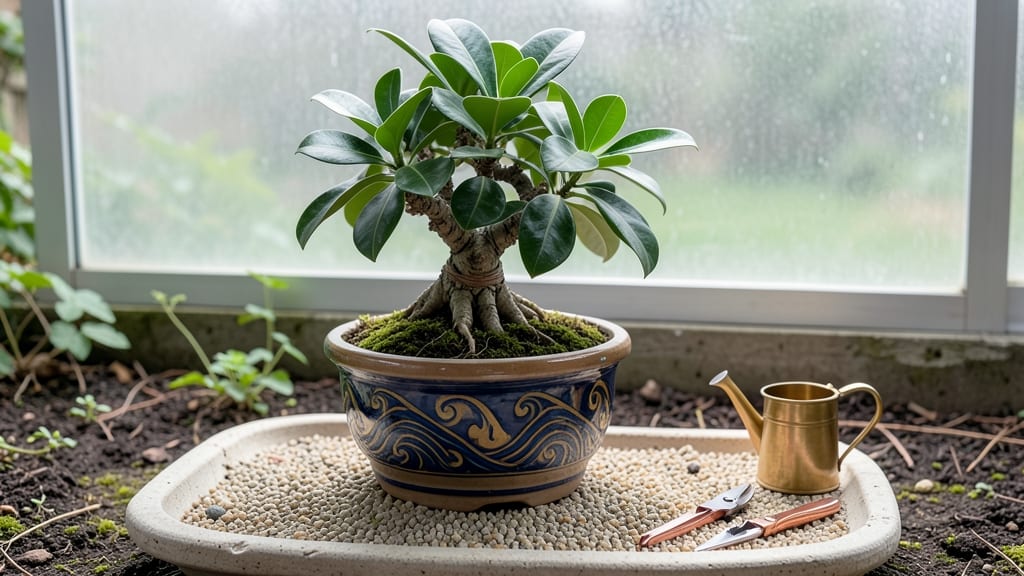
Your patio deserves year-round greenery that doubles as a living privacy screen. 🌿 Living urn tree options transform ordinary spaces into lush, evergreen havens—no winter bare branches in sight. I’ve tested the best container-friendly trees that thrive in urns, offering both beauty and practicality for small yards or cozy patios.
The secret lies in choosing the right plant for your urn’s size and sunlight. Dwarf Alberta spruce, Italian cypress, or boxwood shrubs all work beautifully, with some reaching 3-6 feet tall while staying compact.
These evergreens stay vibrant through all seasons, and their dense foliage creates that coveted "green wall" effect without taking over your space.
Imagine a front porch framed by two urn-grown Italian cypress, their slender trunks and feathery branches casting elegant shadows. Or picture a boxwood shrub in a large urn anchoring your patio corner, its glossy leaves providing soft texture and year-round structure.
The best part? These plants need minimal pruning once established—just occasional shaping to keep them looking their best.
Works for both indoor-outdoor transitions and full outdoor privacy. Whether you’re filling a corner or lining a walkway, urn-grown evergreens bring instant sophistication with low maintenance. Let’s pick the perfect plant for your vision!
📚 In This Guide
- What you need
- Instructions
- Tips and common mistakes
- Wrapping up and next steps
What you need
- ● Evergreen trees: 3–10 young, healthy saplings (species like Thuja occidentalis "Emerald Green," Ilex crenata, or Buxus sempervirens work well). Choose trees 1–3 feet tall with flexible stems.
- ● Burlap or landscape fabric: 1 roll (10–15 feet long, 3–4 feet wide) to protect the roots during planting.
- ● Pruning shears or loppers: Sharp, bypass-style tools for clean cuts (avoid dull blades that crush stems!).
- ● Root stimulator: 1 small bottle (e.g., Rootone or Mycorrhizal Fungi) to boost root growth.
- ● Mulch: 2–3 bags of organic mulch (pine bark or shredded leaves) to retain moisture.
- ● Gloves: Heavy-duty gardening gloves to protect your hands from thorns or sap.
- ● Watering can or hose: With a gentle spray nozzle for post-planting hydration.
- ● Stakes & twine: 4–6 wooden stakes (1–2 feet long) and twine to support the structure temporarily.
- ○ Optional: Fertilizer (slow-release, balanced 10-10-10) for nutrient boost.
- ● Pest deterrent (neem oil spray) if your area has common evergreen pests.
- ● Decorative edging (e.g., landscape timbers) for a polished look.
- ● A sunny to partially shaded spot with well-draining soil (amend with compost if needed).
- ● At least 2–3 hours to plant and shape your urn tree.
- ● Patience! Evergreens grow 6–12 inches per year—plan for long-term beauty. ✨
Step-by-Step guide to selecting and planting living urn trees
Transform your space with these evergreen privacy powerhouses—here's how to choose and plant them right.
🌿 Step 1: Choose the Right Species for Your Climate and Space
Living urn trees thrive in USDA Zones 7-10, but your specific climate dictates the best options. For coastal regions, try Hinoki cypress (Chamaecyparis obtusa)—its feathery foliage handles salt spray beautifully. In hotter inland areas, Italian cypress (Cupressus sempervirens) excels with its striking vertical growth. For humid southeastern climates, Leyland cypress (× Cupressocyparis leylandii) offers rapid growth and dense coverage.
Measure your space carefully—most living urn trees grow 15-40 feet tall and 6-12 feet wide at maturity. Plant them 10-15 feet apart for a natural, layered privacy screen. I always check the mature height first—nothing worse than a tree outgrowing its space in 5 years.
☀️ Step 2: Select the Perfect Planting Location
These trees need full sun to partial shade—at least 6 hours of direct sunlight daily for optimal growth. The best spots get morning sun and afternoon shade, which prevents leaf scorch in hotter climates. Avoid low-lying areas where cold air settles, as many urn trees are only hardy to 15°F—frost can damage tender foliage.
Test your site's drainage by digging a 12-inch hole and filling it with water. If it drains in less than 30 minutes, your soil is ideal. If water pools after an hour, amend with 2-3 inches of compost or plant on a slight mound. Poor drainage is the #1 killer of living urn trees—roots rot quickly in soggy soil.
🪴 Step 3: Prepare the Planting Hole and Amend Soil
Dig a hole twice as wide as the root ball but only as deep—planting too deep suffocates roots. Loosen the sides of the hole with a shovel to encourage root spread. For each tree, mix 5 gallons of potting soil with 2 cups of slow-release fertilizer (look for a 10-10-10 NPK ratio) to give them a nutrient boost at planting.
Gently remove the tree from its container and tease apart any circled roots (roots growing in a perfect ring around the root ball). This prevents girdling as the tree matures. Place the tree in the hole so the top of the root ball sits 1-2 inches above ground level—settling will occur over time, so don’t bury the trunk too deeply.
💧 Step 4: Water Deeply and Mulch for Retention
Fill the hole with water and let it drain completely, then backfill with the amended soil mixture. Water deeply again until the soil is saturated 12 inches down—this encourages roots to grow downward for stability. After planting, spread 3 inches of mulch (wood chips or pine straw) in a 3-foot diameter ring around the base, keeping it 6 inches away from the trunk to prevent rot.
Water every other day for the first 2 weeks, then taper to once a week once new growth appears. Living urn trees establish slowly—don’t be alarmed if growth is minimal the first year. I’ve seen Leyland cypress grow 3 feet in a season with proper care, but patience is key for the first 18 months.
✂️ Step 5: Prune for Shape and Health in Early Spring
Wait until late winter or early spring (just as new growth begins) to prune. Remove any dead, diseased, or crossing branches first—these compete for nutrients and weaken the tree. Use clean, sharp pruners to make cuts just above a bud or branch collar (the swollen area where the branch meets the trunk).
For shaping, focus on removing no more than 25% of the foliage in one season. Living urn trees handle pruning well, but aggressive cuts stress the tree. I like to thin out the interior slightly to improve airflow and reduce fungal risks. After pruning, apply a balanced fertilizer (like 20-20-20) to support new growth.
Tips & tricks for perfect living urn tree planting
Here's what I've learned from years of planting these stunning evergreens—avoid these common pitfalls for lush, thriving privacy screens.
Species Selection: Don't just grab the first tree you see! For coastal areas, Hinoki cypress handles salt spray like a champ, while Italian cypress thrives in hotter inland zones. I always verify the mature height (15-40 feet) against my space—nothing worse than a tree that outgrows its welcome in 5 years. Measure twice, plant once!
Drainage Test: That 30-minute drainage test in Step 2 is non-negotiable. If water pools after an hour, you've got two options: amend with 2-3 inches of compost or plant on a slight mound. Poor drainage is the silent killer of these trees—roots rot faster than you'd think in soggy soil. Trust me, I've seen it happen.
Root Ball Prep: When you remove your tree from its container in Step 3, gently tease apart any circled roots (those perfect rings around the root ball). This prevents girdling as the tree matures. Also, position the root ball so the top sits 1-2 inches above ground level—settling will occur, but don't bury the trunk too deeply. This small detail makes all the difference in long-term health.
Watering Strategy: Those first two weeks are critical! Water every other day to establish roots, then taper to once a week. The key is deep watering—saturate the soil 12 inches down to encourage downward root growth. I've seen Leyland cypress grow 3 feet in a season with this approach, but patience is key for the first 18 months. Don't expect miracles overnight!
Pro Tips for Living Urn Tree Options
- Here's what I've learned from years of planting these stunning evergreens—avoid these common pitfalls for lush, thriving privacy screens.
- Species Selection: Don't just grab the first tree you see!
- Drainage Test: That 30-minute drainage test in Step 2 is non-negotiable.
Frequently asked questions
Got questions about living urn trees?
You’re not alone! Here are some of the most common concerns—and clear, practical answers to help you choose the perfect evergreen solution for privacy and beauty.
What’s the best living urn tree for year-round privacy?
For dense, fast-growing privacy, Thuja occidentalis (Arborvitae) or Chamaecyparis lawsoniana (Lawson Cypress) are top picks. If you need height quickly, Thuja plicata (Western Red Cedar) grows tall but stays narrow. For smaller spaces, Buxus sempervirens (Boxwood) offers compact, structured foliage.
How long does it take for a living urn tree to provide full privacy?
Most living urn trees take 3–5 years to reach full maturity and block views. Faster-growing options like Thuja plicata may fill in quicker (2–3 years), while slower varieties like Buxus could take up to 7 years. Planting multiple trees in a staggered row speeds up coverage!
Are living urn trees more expensive than traditional hedges?
Upfront costs are higher—$20–$100 per tree depending on size—but they’re a long-term investment. Unlike annual pruning for hedges, living urns require minimal maintenance. Over 10+ years, they often save money on labor and replacements.
Can I plant a living urn tree in any soil type?
Most thrive in well-draining soil, but some (like Thuja) tolerate clay or sandy ground. Amend heavy soil with compost for better root health. Avoid waterlogged areas—root rot is a common issue. A simple soil test before planting ensures your tree’s success!
Do living urn trees need frequent pruning like hedges?
No! Unlike hedges, living urn trees are low-maintenance. Light shaping once a year (early spring) keeps them tidy. Over-pruning can stress the tree. If you notice brown tips, it’s often due to drought or pests—not pruning needs.
What’s the best alternative if I don’t want a tree?
Consider evergreen shrubs like Ilex crenata (Holly) or Ligustrum (Privet) for dense, hedge-like privacy. For a non-living option, try bamboo screens or vinyl privacy panels, though these lack natural beauty and may degrade over time.
Wrapping up and next steps
Choosing a living urn tree is a meaningful way to honor a loved one while adding evergreen beauty to your landscape. These trees offer privacy, elegance, and lasting memories—perfect for those who want a natural, year-round tribute.
Whether you opt for a Thuja, Arborvitae, or another evergreen, the key is selecting a healthy specimen and giving it the care it deserves.
Ready to take the next step? Research local nurseries or consult with an arborist to find the perfect tree for your space. With the right choice, you’ll create a living memorial that grows in beauty—and meaning—over time. 🌿✨