
Pruning
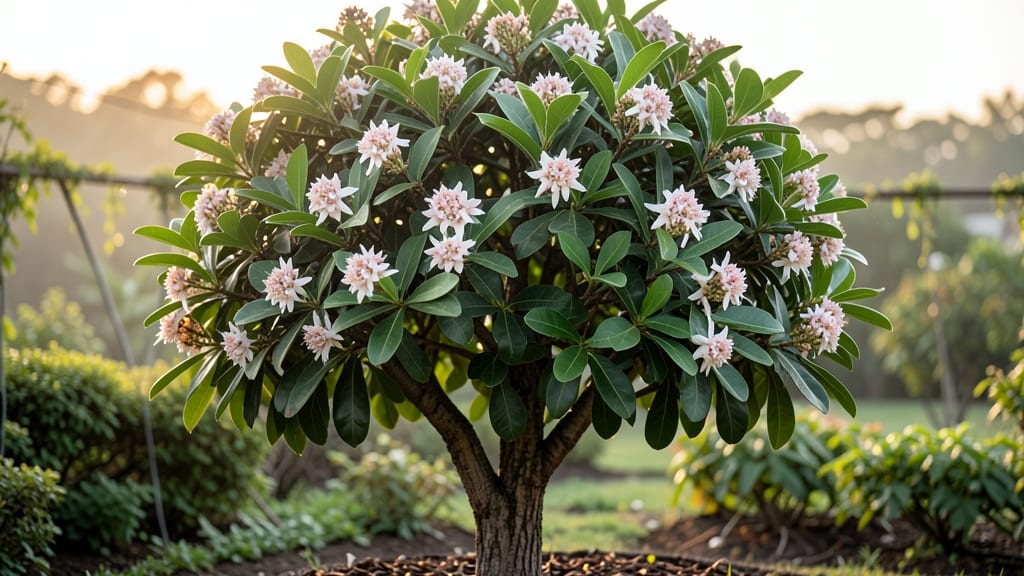
Your lychee tree’s flowering season starts with a single cut—prune at the right time, and you’ll trigger blooms that lead to sweet harvests. ✨ I’ve watched stubborn trees refuse to flower for years until I discovered this simple trick: timing cuts to match the tree’s natural rhythm.
The difference between a barren branch and a cluster of fragrant white blossoms often comes down to when (and how) you prune.
Lychees need warmth, sunlight, and a little stress to flower. Too much shade or inconsistent watering keeps them in vegetative mode, while proper pruning signals it’s time to produce fruit.
The best time to prune depends on your climate—late winter in cold areas, early spring in warm zones—but the goal is always the same: open the canopy to sunlight and encourage new growth where flowers will form.
After pruning, your tree should show new shoots within 2-3 weeks. These are your flowering candidates—thicker stems with leaf nodes that’ll soon burst into blossoms.
With the right follow-up care (balanced fertilizer, consistent watering), you’ll see those delicate white flowers transform into fruit within 8-12 weeks, depending on your zone.
This method works for both young trees and mature ones, though older trees may need deeper cuts to stimulate new growth. The key is patience—lychees take 2-3 years from flowering to full harvest, but once you trigger those first blooms, you’ll understand why gardeners swear by this pruning hack.
📚 In This Guide
- What you need
- Instructions
- Tips and common mistakes
- Wrapping up and next steps
What you need
- ● Pruning shears – Bypass-style, sharp, and sterilized (for clean cuts on branches up to ½-inch thick). Quantity: 1 pair.
- ● Pruning saw – For thicker branches (1+ inch diameter). Quantity: 1.
- ● Disinfectant (70% isopropyl alcohol or bleach solution) – To sterilize tools and prevent disease spread.
- ● Gloves – Thick, cut-resistant gloves (lychee thorns are no joke!). Quantity: 1 pair.
- ● Marking twine or tape – To tag branches for removal.
- ● Bucket or trash bag – For collecting pruned branches.
- ● Ladder or step stool – If your tree is taller than 6 feet.
- ● Hand pruners (felco or similar) – For precision cuts on smaller branches.
- ● Tree wound paint – Only if your tree is prone to bleeding sap.
- ● Notebook & pen – To sketch your tree’s structure before pruning.
- ● Safety glasses – For protection from debris.
- ● Hose with nozzle – To clean tools and rinse off sap.
How to encourage lychee tree flowering through strategic pruning
Here's the method I've used to coax blooms from stubborn lychee trees—it's all about timing and precision cuts.
✂️ Step 1: Identify and Prune Last Year's Growth
Lychee trees flower on new wood, so your first move is to remove all growth from the previous season. Look for thick, woody branches that have already borne fruit—these won't produce new blossoms. Use clean, sharp pruning shears to make cuts just above a leaf node or outward-facing bud, angled at a 45-degree slant to prevent water pooling.
Here's the thing—don't be afraid to cut back 30-50% of the tree's volume if needed. You're not harming it; you're redirecting its energy toward fresh, vigorous growth that will flower. I always prune on a dry, overcast day to reduce stress on the tree. After cutting, discard any diseased or dead branches immediately to prevent fungal spread.
☀️ Step 2: Promote Airflow and Sun Exposure
After pruning, focus on opening up the canopy so sunlight reaches the inner branches. Lychee trees need 6-8 hours of direct sun daily to trigger flowering. Remove any crossing or rubbing branches first—they create shaded areas where blooms won't develop. Then, thin out 10-20% of the remaining branches to improve airflow.
Watch for new shoots emerging from the pruned areas—these are your future flowering sites. If your tree is in a container, consider moving it to a sunnier location temporarily. I've seen trees that barely flowered in partial shade suddenly burst into blossoms after just two weeks of full sun exposure. Just don't move it back to shade once blooms appear—that can shock the tree.
💧 Step 3: Adjust Watering and Fertilizing for Bloom Stimulation
Once pruning is done, reduce watering slightly—lychee trees need moderate moisture, not soggy soil, to prepare for flowering. Water deeply every 7-10 days, allowing the top 2 inches of soil to dry out between waterings. Overwatering now can delay blooms by encouraging leafy growth instead of flowers.
Apply a balanced, slow-release fertilizer (10-10-10 ratio) 4-6 weeks after pruning to provide the nutrients needed for flower development. I like to mix in a handful of well-rotted compost around the base to boost organic matter. Avoid high-nitrogen fertilizers—they promote foliage at the expense of blooms. You'll know you're on the right track when you see small, green flower buds forming along the new growth in 8-12 weeks.
⏰ Step 4: Time Your Pruning for Optimal Blooming
The critical window for lychee tree pruning is late winter to early spring, just as new growth begins but before buds swell. In most climates, this falls between February and March. If you're in a tropical region with no winter, prune right after the harvest season to encourage the next flowering cycle.
Real talk: If you prune too early, you'll remove potential flowering sites. If you wait too long, the tree may already be committed to leafy growth. I mark my calendar with the full moon in February as a reminder—it's a reliable cue that spring's coming. After pruning, keep an eye out for honeybee activity—when they start visiting your tree, you're just days away from blooms!
Tips & tricks for perfect lychee tree flowering
Between us, these small adjustments make all the difference when you're trying to coax those elusive blooms from your lychee tree.
Precision Cutting Technique: When making those 45-degree angled cuts in Step 1, aim for the space just above a leaf node or outward-facing bud. This ensures new growth will emerge in the right direction. I've found using a sharp pair of bypass pruners makes all the difference—dull shears crush the stems, inviting infection. And here's what nobody tells you: if you're unsure about a cut, err on the side of keeping the branch—you can always prune more next time, but you can't regrow what you've removed.
Sunlight Strategy: The 6-8 hours of direct sunlight requirement in Step 2 is non-negotiable for flowering. If your tree is in a container, consider temporarily moving it to a south-facing location during the pruning phase. I've seen dramatic improvements in just two weeks when trees get that extra sunlight boost. Watch for the new shoots emerging from pruned areas—these are your future flowering sites, so protect them from any remaining shaded branches.
Watering Wisdom: That 7-10 day watering schedule in Step 3 might seem counterintuitive if you're used to keeping your tree moist. The key is letting the top 2 inches dry out between waterings—this stress signal actually triggers flowering hormones in lychee trees. I use a moisture meter to check, but even a simple finger test works. And if you notice new growth slowing down, that's your cue to reduce watering further rather than increasing it.
Timing Secret: The February-March window in Step 4 is your best shot at success, but don't stress about being exact to the day. What matters most is catching that moment when new growth begins but before buds swell. I've had great results pruning right after the full moon in February—it's a natural cue that spring is coming. If you miss this window, don't panic: the tree will still produce new growth, but you may need to wait another year for blooms.
Pro Tips for Lychee Tree Flowering
- Between us, these small adjustments make all the difference when you're trying to coax those elusive blooms from your lychee tree.
- Precision Cutting Technique: When making those 45-degree angled cuts in Step 1, aim for the space just above a leaf node or outward-facing bud.
- Sunlight Strategy: The 6-8 hours of direct sunlight requirement in Step 2 is non-negotiable for flowering.
Frequently asked questions
Got questions about getting your lychee tree to flower? You’re not alone! Here are answers to the most common concerns—so you can troubleshoot and optimize your tree’s blooming potential with confidence.
When should I expect my lychee tree to flower?
Lychee trees typically flower in late winter to early spring (January–March in tropical/subtropical climates), though timing depends on your region. Young trees (under 5 years) may take longer to bloom. Pro tip: If your tree is mature but not flowering, check for proper pruning and nutrient balance—both are key triggers!
Why isn’t my lychee tree flowering after pruning?
If your tree still resists blooms, it might need more stress signals like:
- Water stress: Let the topsoil dry slightly between waterings (but avoid drought).
- Nutrient shift: Reduce nitrogen (promotes leaves) and add phosphorus/potassium (bloom boosters).
- Sunlight: Ensure 6+ hours of direct sun daily—shade delays flowering.
How long does it take for a lychee tree to flower after pruning?
With ideal conditions, you’ll see buds in 6–12 weeks post-pruning. However, environmental factors (like temperature or humidity) can delay blooms. Patience is key! Monitor for small, fragrant white/pink flowers—these signal success. If nothing appears after 4 months, revisit your technique or consult a local agronomist.
Can I force a lychee tree to flower indoors?
Indoor lychee trees (Litchi chinensis) are rare but possible in large containers with bright light. To encourage blooms:
- Mimic seasons: Reduce water/warmth in winter to simulate dormancy.
- Temperature shock: Move pots outdoors during mild days (50–60°F) to trigger stress responses.
- Limitations: Indoor trees rarely fruit; outdoor conditions are ideal for flowering.
What if my lychee tree flowers but doesn’t produce fruit?
Flowers without fruit often mean pollination issues or nutrient gaps. Try these fixes:
- Hand-pollinate: Use a soft brush to transfer pollen between flowers (early morning).
- Fertilize: Switch to a low-nitrogen, high-phosphorus fertilizer (e.g., 5-10-10) when buds appear.
- Check humidity: Low levels (<40%) can cause flower drop—mist leaves or use a humidity tray.
Wrapping up and next steps
Watching your lychee tree burst into vibrant blooms is like unlocking nature’s sweetest reward! 🌸 With the right pruning techniques—timing, tool selection, and post-care—you’re already halfway to a bountiful harvest. Remember, patience and consistency are key; your efforts will pay off in juicy, aromatic fruit.
Ready to take action? Start by scheduling your next pruning session and keep an eye on those buds. Celebrate each small step—your lychee tree is counting on you! 🌱✨