
Pruning
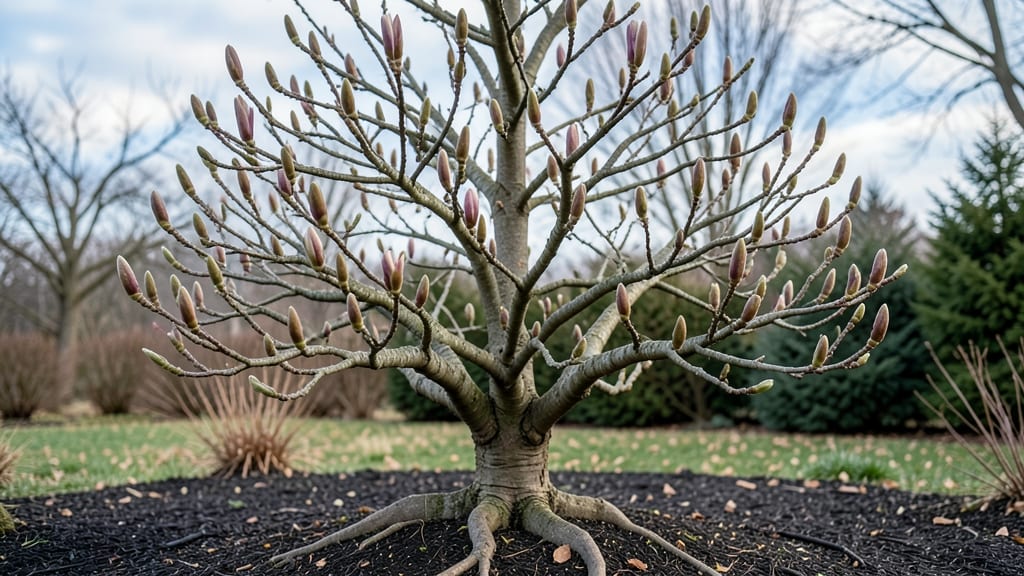
Those plump, velvety magnolia buds forming in winter aren’t just pretty—they’re the plant’s secret weapon for next spring’s showstopping blooms. 🌸 I’ve watched my own magnolia tree go from bare branches to a canopy of pink and white in just a few weeks, and it all starts with understanding how these buds develop during dormancy.
Most people assume winter buds are fragile, but they’re actually tougher than they look, designed to withstand frost while storing energy for spring’s grand display.
The key to healthy blooms is knowing what to look for: buds should feel firm and plump, not shriveled or mushy. If you notice brown, dried-out buds, it’s usually a sign of winter stress—not frost damage, which is often overblown.
A light layer of mulch around the base helps regulate soil temperature, while avoiding heavy pruning in winter protects those energy reserves. My tree gets its first real flush of growth in early March, right when the buds start to swell.
You’ll know spring is near when the buds begin to separate and show color underneath. That’s when the real excitement starts—though it’s also the time to watch for late frosts, which can still nip tender new growth.
The payoff comes in full force when those buds burst open into fragrant, dramatic flowers, proving winter’s patience was worth it. This is where pruning comes in: a little strategic cutting now ensures even more buds form next winter.
Whether you’re dealing with a young sapling or a mature specimen, the same principles apply. The goal is to give your magnolia the best chance to store energy, avoid stress, and reward you with that unforgettable spring spectacle. Here’s how to make it happen—without the guesswork.
📚 In This Guide
- What you need
- Instructions
- Tips and common mistakes
- Wrapping up and next steps
What you need
- ● Pruning shears: Sharp, bypass pruners (for cuts up to ½ inch thick). Recommended: Felco F-2 or similar (1 pair).
- ● Loppers: For thicker branches (½ to 1.5 inches). Recommended: Corona 4400 (1 pair).
- ● Pruning saw: For branches over 1.5 inches (e.g., Fiskars 10-inch pruning saw, 1 unit).
- ● Disinfectant: 70% isopropyl alcohol or a 10% bleach solution (1 bottle or spray bottle).
- ● Gloves: Heavy-duty gardening gloves (e.g., Dr.ammor or similar, 1 pair).
- ● Rag or paper towels: For cleaning tools (1 roll or pack).
- ○ Marking twine or tape: (Optional) To flag branches for removal (1 spool).
- ● Weather: Choose a dry, calm day (avoid frost or rain). Ideal temps: 40–60°F.
- ● Timing: Prune late winter (just before buds swell, typically February–early March in most zones).
- ● Tree health: Only prune if the tree is dormant (no leaves or active growth). Avoid pruning if the tree is stressed or diseased.
- ○ Safety gear: (Optional but recommended) Safety glasses (e.g., Homdox, 1 pair) and long sleeves/pants.
Instructions for pruning magnolia buds in winter
Here's how to give your magnolia the perfect winter haircut for vibrant spring blooms.
🌿 Step 1: Identify Last Year's Flower Buds
Magnolia flower buds form on the previous year's growth, so you'll see them clearly by winter. Look for the distinctive football-shaped buds along the branches—these are your spring blooms in waiting. The buds are usually 1-2 inches long and appear in clusters.
Don't confuse these with leaf buds, which are smaller and more pointed. If you accidentally prune off last year's flower buds, you'll have fewer blooms next spring. I like to mark the branches with a small piece of twine if I'm unsure—better safe than sorry with these stunning trees.
✂️ Step 2: Prune Dead or Weak Branches First
Start by removing any branches that are dead, diseased, or crossing—these are your priority cuts. Use clean, sharp pruning shears to make cuts at a 45-degree angle just outside the branch collar. This prevents water from pooling and causing rot.
Look for branches that are brown inside when you cut them open or show signs of fungal growth. These need to go immediately. For larger branches over ½ inch thick, use a pruning saw instead of shears to avoid tearing the bark. Always cut back to a healthy bud or branch.
☀️ Step 3: Thin Out Dense Growth for Better Airflow
Magnolias benefit from open, airy canopies that let sunlight reach the center of the tree. Focus on removing branches that are growing inward or rubbing against others. Aim to create a balanced, vase-like shape with the strongest branches evenly spaced.
Don't remove more than 25% of the tree's foliage in one season—this can stress the magnolia. I like to work in sections, stepping back every few cuts to visualize the shape. If you're unsure, take before photos so you can compare later. Prune on a dry, sunny day to reduce stress on the tree.
⏰ Step 4: Clean Up and Protect the Tree
After pruning, sterilize your tools with rubbing alcohol to prevent spreading disease. Collect and dispose of all clippings—don't leave them under the tree, as they can harbor pests. A light application of mulch around the base helps protect the roots from winter temperature swings.
If you've made larger cuts, consider applying pruning sealant to wounds over ½ inch wide to prevent disease entry. For smaller cuts, let the tree seal naturally—it's stronger that way. Water the tree deeply if your winter has been particularly dry, but avoid overwatering, which can suffocate roots.
Tips & tricks for pruning magnolia buds in winter
Here's what nobody tells you about keeping your magnolia thriving after the trim.
Bud Identification Secret: In Step 1, when identifying those football-shaped buds, hold them between your fingers—they should feel firm and slightly woody, not soft or hollow. This texture difference helps distinguish them from leaf buds, which are usually smoother and more pliable. I've accidentally pruned off flower buds before by focusing only on size, so take that extra moment to check the texture.
Pruning Angle Precision: For Step 2, when making those 45-degree cuts, imagine slicing a pie wedge—your cut should follow the natural angle of the branch collar. This isn't just about looks; it's about directing water away from the wound. I use a small piece of cardboard as a guide when I'm unsure about the angle, and it's saved me from making sloppy cuts that could invite disease.
Airflow Strategy: In Step 3, when thinning dense growth, focus on creating vertical layers rather than just removing branches. Think of your magnolia like a wedding cake—each tier should have space between it and the one above. This open structure prevents fungal issues and lets sunlight reach all parts of the tree. I've seen magnolias develop rot in dense centers because airflow was blocked.
Seasonal Timing: The instructions mention pruning on a dry, sunny day, but I've found that late winter—just before new growth begins—is actually ideal. This timing gives the tree time to heal before spring's demands. In colder climates, wait until temperatures consistently stay above freezing during the day, but avoid pruning when buds are starting to swell.
Pro Tips for Magnolia Tree Buds In Winter
- Here's what nobody tells you about keeping your magnolia thriving after the trim.
- Bud Identification Secret: In Step 1, when identifying those football-shaped buds, hold them between your fingers—they should feel firm and slightly woody, not soft or hollow.
- Pruning Angle Precision: For Step 2, when making those 45-degree cuts, imagine slicing a pie wedge—your cut should follow the natural angle of the branch collar.
Frequently asked questions
Got questions about those cozy magnolia buds waiting for spring? Here are some common ones—and their answers—to help you prep like a pro!
Can I prune magnolia tree buds in winter?
Yes, but with caution! Winter is the ideal time to prune magnolia trees (like Magnolia grandiflora or Magnolia stellata) because they’re dormant. However, avoid pruning after buds swell in late winter—this can remove next year’s flowers. Focus on shaping, removing dead wood, and thinning branches before buds break dormancy (typically January–February, depending on your climate).
What if my magnolia buds turn brown or mushy in winter?
Brown or mushy buds are often a sign of bud blight, frost damage, or fungal issues (like anthracnose). To troubleshoot:
- Check for wet, soggy conditions—magnolias hate overly damp soil in winter. Improve drainage if needed.
- Remove affected buds with sterilized pruners to prevent spread.
- Apply a copper fungicide in early spring if fungal disease is suspected.
Should I cut off all the buds now, or leave some for spring?
Leave the buds! Magnolia buds form the year before they bloom, so pruning them now means fewer (or no) flowers next spring. Instead, focus on:
- Removing dead, crossing, or weak branches to improve airflow.
- Avoiding heavy pruning—stick to light shaping (no more than 25% of the canopy).
How cold is too cold to prune magnolia buds?
Prune when temperatures are above freezing (ideally 40–50°F) to avoid shocking the tree. If your area gets hard freezes (below 20°F), wait until the ground thaws slightly. Pro tip: Prune on a dry day—wet wood is harder to cut cleanly and can invite disease. For extra safety, wear gloves and use sharp, clean tools to minimize stress on the tree.
What if I miss winter pruning? Can I still prune in early spring?
Yes, but with limitations. Early spring (just as buds begin to swell) is the second-best time to prune magnolias. However:
- Avoid pruning after buds open—this can remove current season’s blooms.
- Prioritize dead or diseased wood first, then light shaping.
- Expect fewer flowers that year if you prune heavily in spring.
Wrapping up and next steps
Watching your magnolia tree’s buds burst into vibrant blooms after winter is one of nature’s most rewarding sights! Remember, timing, sharp tools, and gentle cuts are your best friends—prune too early or too late, and you might miss the magic.
Now that you’re armed with the know-how, grab those shears and give your tree the care it deserves.
🌱 Next step: Mark your calendar for late winter or early spring (just before buds swell) and get pruning! Your magnolia will thank you with show-stopping flowers and a healthier structure—happy gardening!