
Pruning
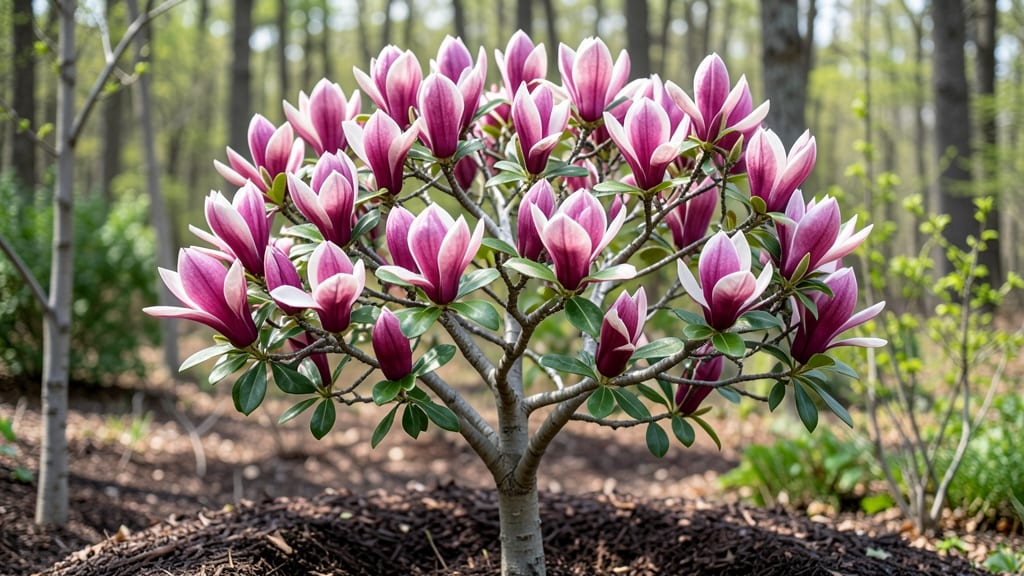
Pruning magnolia trees in Seattle should happen after blooming in late spring to early summer to protect next year's flowers, using sharp tools to avoid tearing branches, and considering the region's damp climate to prevent disease spread. Always start by cutting out dead branches, then thin selectively for better airflow.
Seattle's mild, wet climate means timing matters more than anywhere else. 🌧️ Magnolias bloom early here, so pruning too late risks cutting off next year's flower buds.
I've seen many gardeners in the PNW make the mistake of pruning in winter—this stresses the tree and invites fungal infections common in our damp air. The key is to wait until after blooms fade but before new buds form, usually between June and July.
For tools, I swear by bypass pruners for small branches—they make clean cuts that heal faster. Seattle's humidity demands you sanitize blades with rubbing alcohol between cuts to stop fungal spores from spreading.
And never skip removing deadwood first: it's the fastest way to improve airflow and reduce disease risk in your magnolia's canopy.
💡 In This Article
- Best Pruning Seasons for Seattle Magnolias
- Tools and Techniques for Healthy Magnolia Pruning
Best pruning seasons for Seattle magnolias
Seattle's unique climate creates a delicate window for pruning magnolias. The region's mild, wet winters and cool, damp springs mean flower buds form earlier than in warmer climates. In Southern magnolias, you can prune anytime, but here, timing is critical.
The ideal window is late May to early July—after blooms fade but before next year's flower buds set. This matches when Seattle's frequent rains taper off slightly, reducing fungal risks during healing.
Here's why timing matters so much: magnolia flower buds form on old wood, meaning they develop over the previous summer and winter.
Cutting too late risks removing next year's blooms entirely. 🌸 In my experience, pruning in February or March (common in drier climates) is disastrous here—Seattle's damp air turns pruning wounds into fungal entry points.
The tree's sap flow is also weaker in winter, slowing wound closure and inviting diseases like anthracnose, which thrives in our 50-60°F winters.
Compare this to Southern magnolias that can handle summer pruning: their hotter summers dry wounds faster. In Seattle, we work with our climate's constraints. The 4-6 week window after blooming gives you time to assess the tree's health while avoiding bud damage.
Pro tip: Look for last year's spent blooms—when they're completely brown and crispy, that's your cue to start pruning.
Seattle's microclimates add another layer. Urban areas with concrete heat islands may bloom slightly earlier than rural spots. I've noticed my city magnolia blooms 2-3 weeks earlier than one in Woodinville's cooler climate.
Always adjust your timing based on your specific location's last frost date and bloom cycle. The goal is to finish pruning before mid-July, when new flower buds typically begin forming.
One common mistake I see is pruning after a heavy rain. Wet wood is harder to cut cleanly and heals poorly. Wait for 2-3 dry days before pruning to ensure clean cuts and faster healing.
This simple adjustment can mean the difference between a healthy tree and one struggling with fungal infections.
For those with young magnolias, you have slightly more flexibility. Saplings under 5 years old can handle light shaping in early spring, but avoid heavy pruning.
Their smaller size means wounds heal faster, but you still want to preserve that first year's flower potential. 🌱 Remember: magnolias are slow growers—each cut should be intentional and minimal.