
Pruning
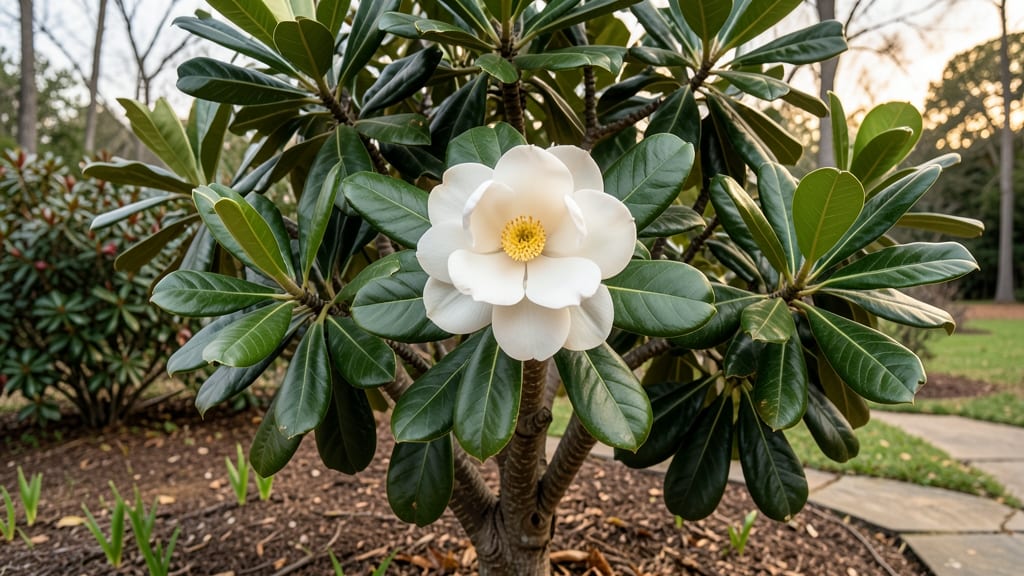
Pruning your magnolia tree shrub isn’t just about shaping—it’s about unlocking next year’s blooms. ✨ I’ve spent years perfecting the timing and technique, and the difference is striking: plants pruned right keep their vibrant green leaves year-round and burst with flowers in spring.
The key? Knowing when to cut, what to cut, and how to avoid the mistakes that leave your magnolia looking ragged.
Most gardeners prune once a year, but magnolias respond best to seasonal adjustments—light trimming after blooms, heavier shaping in late winter, and occasional cleanup to remove dead wood.
You’ll need sharp pruners, a ladder (for taller varieties), and a clear plan for each season. The goal isn’t just aesthetics; it’s healthier growth and more dramatic flowers.
By the end of this, you’ll see your magnolia’s branches filled with glossy new leaves and budding blooms, even on older wood. The pruning scars fade, and the plant rewards you with showstopping fragrance and structure.
It’s not about perfection—it’s about balance, and magnolias are forgiving once you learn their rhythm.
Works for both evergreen varieties like Magnolia grandiflora and deciduous types like Magnolia stellata, whether you’re pruning a 5-foot shrub or a 20-foot tree. Let’s get those branches looking intentional—and blooming like crazy.
📚 In This Guide
- What you need
- Instructions
- Tips and common mistakes
- Wrapping up and next steps
What you need
- ● Pruning shears: Bypass pruners (sharp, clean, and sterilized—think of them as your magnolia’s tiny surgeons! 🩺) for cuts under ½ inch thick.
- ● Loppers: 1 pair (for branches ½ to 1½ inches thick—no rusty relics here! ⚠️)
- ● Pruning saw: 1 handheld saw (for branches 1½+ inches thick; opt for a curved-tooth model to avoid tearing bark).
- ● Gloves: Heavy-duty, cut-resistant gloves (magnolia branches can be spiky—trust us, you’ll thank us later! 🤲)
- ● Disinfectant: 70% isopropyl alcohol or bleach solution (1 part bleach to 9 parts water) to sterilize tools between cuts (disease prevention is key! 🛡️).
- ○ Pruning sealant: Optional but helpful for sealing larger cuts (½ inch+) to prevent disease entry.
- ● Ladder or step stool: Sturdy and tall enough to reach your magnolia’s highest branches safely (no wobbly contraptions!).
- ● Heavy-duty trash bags: 2–3 bags for debris cleanup (because nobody enjoys a magnolia-shaped mess! 🗑️).
- ● Weather check: Prune on a dry, overcast day (or morning) to avoid stressing the plant. Rain = soggy tools + slippery branches. ☔🚫
- ● Safety first: Wear long sleeves/pants (magnolia leaves can be scratchy!) and eye protection if working near dense foliage. 👓
- ● Tool sharpening: Test your pruners/loppers on a pencil—if they don’t glide smoothly, sharpen them now. ⚡
- ● Plan your cuts: Sketch a rough outline of your desired shape (or snap photos for reference!). A little prep = a lot less guesswork. 📝
- ● Bring a small spray bottle with water to clean tools mid-prune—keeps them sharp and bacteria-free! 💦
- ● Label branches with twist ties or tape if you’re removing multiple sections (helps track progress). 🏷️
- ● For large magnolias, recruit a helper to stabilize the ladder or hold branches out of your way. Teamwork makes the dream work! 🤝
Step-by-step guide to pruning magnolia shrubs for year-round health
Here's the method I rely on to keep magnolias blooming beautifully while maintaining their natural shape.
✂️ Step 1: Time Your Pruning for Bloom Preservation
Magnolias bloom on old wood, so timing matters. Never prune after mid-summer—you'll sacrifice next year's flowers. I always prune immediately after blooming season ends, around late May to early June in most climates. For spring-blooming varieties, wait until after the last flower falls.
This timing ensures the plant has time to develop next year's flower buds on the current season's growth. If you prune too late, you risk cutting off those critical buds before they form. Watch for 90% of flowers to drop—that's your signal to act.
✂️ Step 2: Remove Dead, Damaged, or Crossing Branches First
Start by eliminating any dead or diseased branches—they'll never recover and can spread problems. Cut these back to the main trunk or healthy growth. Next, remove branches that cross or rub against others, as these create wounds and weak spots. I use sharp, clean pruners and make cuts at a 45-degree angle just above a outward-facing bud.
For branches larger than 1/4 inch thick, use loppers and seal the cut with pruning sealant to prevent disease entry. You'll know you're doing this right when the plant's center opens up and air can circulate freely through the branches.
✂️ Step 3: Shape the Shrub for Optimal Form
Step back and visualize the natural shape of your magnolia. These shrubs grow best when allowed to maintain their rounded, layered habit. Remove any branches that grow inward or downward to maintain that open center. I never cut more than 25% of the plant's total growth in one season—this prevents shock.
For height control, focus on the upper branches. Cut just above a leaf node where new growth will emerge. Avoid "heading back" (cutting back to a specific length)—this encourages weak, bushy growth. Instead, make clean cuts at natural branch points to maintain the plant's natural structure.
✂️ Step 4: Clean Up and Monitor for Recovery
After pruning, remove all cuttings and debris from the area to prevent disease spread. Sterilize your tools with rubbing alcohol between cuts on different branches. I always finish by giving the plant a deep watering to help it recover from the stress of pruning.
Watch for new growth in 4-6 weeks—this confirms the plant is healthy. If you see yellowing leaves or wilting, you may have over-pruned. Magnolias are forgiving but respond best to gentle, strategic cuts rather than aggressive pruning.
Tips & tricks for perfect magnolia shrub pruning
These subtle adjustments will help you transform your magnolia from a tangled mess into a thriving, flower-filled centerpiece.
Timing is Everything: The late May to early June window isn't arbitrary—it's when magnolias complete their flowering cycle and begin forming next year's buds. I've learned this the hard way after accidentally pruning too late and losing next spring's blooms. Mark your calendar for when 90% of flowers have dropped—that's your exact cue to act. For northern climates, adjust to early June to avoid late spring frosts that can damage new growth.
The 25% Rule: Never remove more than 25% of the plant's total growth in one season, no matter how tempting it is to give your magnolia a dramatic makeover. This rule prevents shock and maintains the plant's energy reserves. I measure by visualizing the plant's overall volume—if you're cutting more than a quarter of the visible branches, stop and wait for next year. Think of it as a haircut: better to take small, strategic snips than a drastic chop.
Cutting Technique Matters: That 45-degree angle isn't just for show—it creates a larger wound surface that heals more quickly and directs water away from the cut. When making cuts, position your pruners just above an outward-facing bud at the branch collar (the swollen area where the branch meets the trunk). This ensures new growth emerges in the right direction. For branches thicker than 1/4 inch, use loppers and always seal the cut immediately to prevent disease entry through the fresh wound.
Recovery Signals: Watch for new growth in 4-6 weeks as your confirmation that pruning was successful. Healthy new shoots should appear vibrant green and firm to the touch. If you notice yellowing leaves or wilting within this period, you may have over-pruned. In that case, reduce watering slightly and avoid any further cuts until the plant shows signs of recovery. Remember, magnolias are patient plants—they'll forgive occasional mistakes but respond best to gentle, consistent care.
Pro Tips for Magnolia Tree Shrub
- These subtle adjustments will help you transform your magnolia from a tangled mess into a thriving, flower-filled centerpiece.
- Timing is Everything: The late May to early June window isn't arbitrary—it's when magnolias complete their flowering cycle and begin forming next year's buds.
- The 25% Rule: Never remove more than 25% of the plant's total growth in one season, no matter how tempting it is to give your magnolia a dramatic makeover.
Frequently asked questions
Got questions about pruning your magnolia tree shrub? You’re not alone!
Here are some of the most common concerns—plus expert-backed answers to keep your plant thriving and blooming beautifully.
When is the best time to prune a magnolia tree shrub?
The ideal time depends on your magnolia’s blooming habit. For spring-blooming varieties (like Magnolia grandiflora), prune right after flowering (late spring/early summer) to avoid cutting off next year’s buds. For summer-blooming types (e.g., Magnolia stellata), prune in late winter or early spring before buds swell. Avoid heavy pruning in fall—it can stress the plant.
Can I prune my magnolia tree shrub in winter?
Light pruning in dormant winter months (Dec–Feb) is fine for removing dead or crossing branches, but avoid heavy cuts. Winter pruning can expose tender wood to cold damage. If you must shape up, stick to 10–15% of the canopy and focus on cleaning up. Wait for spring to tackle major reshaping!
Why aren’t my magnolia blooms as abundant after pruning?
Over-pruning—especially on spring-bloomers—can reduce flowers because buds form the previous summer. If blooms are sparse, check your timing: Prune immediately after flowering to preserve next year’s buds. Avoid cutting back more than 20–30% of the plant in one go. Patience pays off—magnolias often rebound in 1–2 years!
How do I fix my magnolia’s leggy or sparse growth?
Leggy growth usually means the plant isn’t getting enough light or nutrients. Thin out dense inner branches to improve airflow and sunlight penetration. Fertilize lightly in early spring with an acid-loving plant formula (pH 5.0–6.0). For severe cases, consider rejuvenation pruning: Cut back ⅓ of the oldest stems to the ground in stages over 3 years.
Are there low-maintenance alternatives to magnolias?
If magnolias feel high-maintenance, try these low-fuss shrubs with similar drama:
- Camellia: Evergreen, blooms winter–spring, thrives in shade.
- Hydrangea: Colorful blooms, forgiving pruning, loves partial sun.
- Pieris japonica: Spring flowers, glossy foliage, drought-tolerant.
- Oakleaf hydrangea: Fall color + blooms, handles shade well.
What should I do if my magnolia’s branches die after pruning?
Dead branches can signal over-pruning or disease. Act fast:
- Inspect for powdery mildew or anthracnose (fungal spots). Treat with neem oil or copper fungicide.
- If branches are brown, brittle, and hollow, cut them back to healthy wood (look for green under the bark).
- Water deeply after pruning to reduce stress and mulch with 3 inches of organic matter.
Wrapping up and next steps
Mastering magnolia tree shrub pruning is all about patience, timing, and a little green thumb love! Whether you’re shaping for aesthetics or boosting blooms, the key is to prune after flowering and avoid over-trimming.
With the right tools and techniques, your magnolia will thrive year-round—rewarding you with stunning blooms and lush foliage. 🌸
Ready to give your magnolia the care it deserves? Grab your shears, pick a sunny day, and get pruning! Start small—even a single branch can make a difference—and watch your shrub flourish. Happy gardening! 🌿