
Pests and Diseases
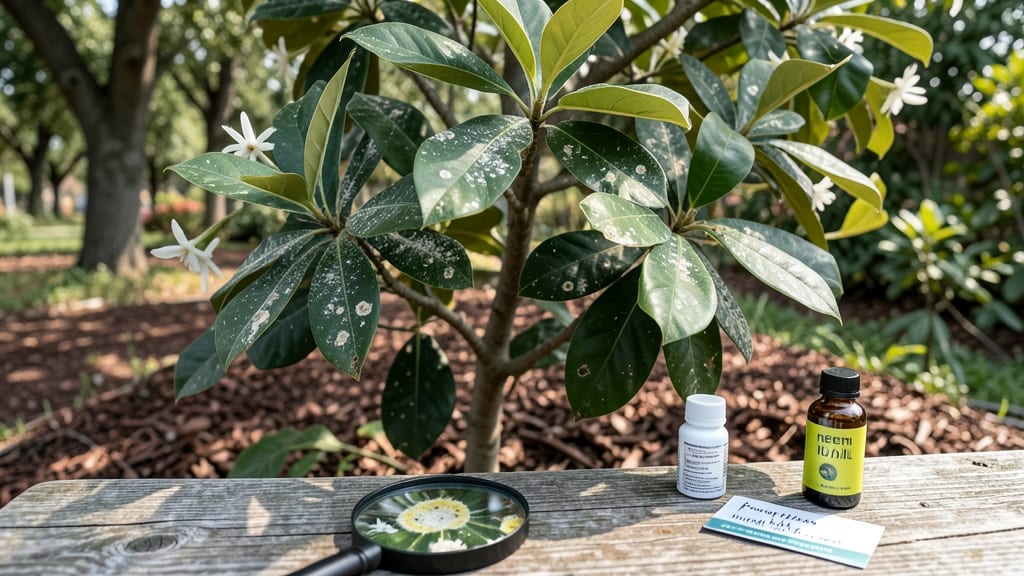
White spots on your magnolia leaves aren’t just ugly—they’re a cry for help from your tree. 🌿 I’ve battled this exact problem with my 15-year-old southern magnolia, and I’ll show you how to diagnose it fast (powdery mildew, leaf spot, or something else) and stop it before it spreads to every branch.
The good news? Most cases are simple to fix with basic tools you probably already have. Start by examining the spots—are they fuzzy (powdery mildew), greasy (anthracnose), or just dry patches?
Once you know the culprit, pruning infected leaves and adjusting watering habits (yes, overwatering is often the villain) cuts the problem in half within 2 weeks.
By the end, your magnolia will be putting out fresh, spot-free leaves again—no more white dust ruining its glossy green beauty. The secret lies in timing (don’t prune when it’s wet) and a few organic sprays that work better than harsh chemicals.
Let’s get your tree back to its full glory.
Works for all magnolia varieties, from dwarf to giant, and prevents next season’s outbreaks. Here’s exactly what to do—and when to call in the pros if things get worse.
Understanding the Root Causes
White spots on magnolia leaves are rarely a sign of good health—they’re usually your tree’s way of waving a red flag. 🚨 Let’s break down the most common culprits behind this unsightly (and potentially damaging) issue, so you can diagnose the problem and take action.
Fungal diseases are the #1 reason for white spots on magnolia leaves, and they thrive in warm, humid conditions—think summer afternoons or rainy seasons. Here’s how they strike:
- Powdery Mildew 🍄 This fuzzy, white fungal growth isn’t just cosmetic—it blocks sunlight, weakening leaves and stunting growth. It loves shady, poorly ventilated spots and often appears as white, powdery patches on the upper leaf surfaces. Magnolias are particularly susceptible because their dense foliage traps moisture.
- Anthracnose 💀 While anthracnose typically causes dark spots, some strains produce white or grayish lesions with yellow halos. It thrives in wet conditions and can lead to leaf blight if left unchecked. Look for irregular, sunken spots that may ooze when wet.
- Leaf Spot Fungi 🌧️ Genera like Cercospora or Septoria create small, white to grayish spots with dark borders. These fungi spread via splashing water (e.g., rain or overhead irrigation) and often appear on lower leaves first.
Why it happens: Fungi spores lurk in soil, mulch, or old plant debris. When conditions are right—high humidity (70%+), warm temps (70–85°F), and poor airflow—they germinate and infect leaves through natural openings like stomata (tiny leaf pores).
Not all white spots are fungal. Some are the handiwork of sap-sucking pests that leave behind a telltale residue:
- Scale Insects 🐛 These armored pests attach to leaves and stems, excreting sticky "honeydew" that attracts sooty mold (a black fungal growth). Their feeding weakens leaves, causing white, crinkled patches where cells collapse.
- Spider Mites 🕷️ While they don’t directly cause white spots, their fine webbing and silver stippling (tiny white dots from pierced cells) mimic fungal symptoms. Severe infestations lead to leaf yellowing and drop.
- Whiteflies ✈️ These tiny, white moth-like insects cluster on undersides, leaving white, waxy residues and honeydew. Heavy populations stress leaves, causing bleached or necrotic (dead) spots.
Why it happens: Pests target stressed magnolias—drought, poor soil, or recent pruning make trees more vulnerable. They spread via wind, birds, or even garden tools.
Sometimes, white spots aren’t caused by pathogens or pests at all—they’re a physical response to stress:
- Sun Scorch ☀️ If your magnolia’s leaves develop white, papery patches on sun-exposed sides, it’s likely sunburn. This happens when trees are suddenly moved to full sun (e.g., after winter shade) or lack water to cool leaves.
- Chemical Burn 🧪 Over-fertilizing (especially with high salt or nitrogen) or using harsh herbicides near the root zone can cause white, crispy leaf edges. Even well-meaning foliar sprays (like neem oil misapplied) can bleach leaves.
- Water Stress 💧 Underwatering leads to white, dry patches from cell dehydration, while overwatering (especially in poorly drained soil) causes white, mushy spots from root rot spreading to leaves.
Why it happens: Magnolias prefer acidic, moist but well-draining soil and morning sun with afternoon shade. Sudden changes in light, water, or nutrients throw them into survival mode, triggering stress responses like chlorosis (loss of green pigment).
While rare, magnesium or manganese deficiencies can cause interveinal white or yellow patches (chlorosis). These minerals are crucial for chlorophyll production, and their absence leaves leaves unable to photosynthesize properly.
Why it happens:
- Alkaline soil (pH > 7.0) locks out magnesium and manganese.
- Over-fertilizing with nitrogen (without micronutrients) starves roots of essential minerals.
- Compacted or waterlogged soil prevents root uptake.
Sometimes, white spots are mechanical—not biological.
Consider: - Hail or wind damage 🌪️: Creates irregular white patches where cells rupture. - Lawnmower or string trimmer hits 🪓: Leaves may develop white, torn edges from abrasion. - Bird or animal pecking 🐦: Some birds (like sparrows) nibble leaves, leaving white, ragged spots.
Why it happens: Physical trauma disrupts leaf cell integrity, leading to necrosis (cell death) and white discoloration.
Quick Fixes for Leaf Spots
White spots on your magnolia leaves can be frustrating, but the good news is that most causes have straightforward solutions. Below, we’ll map the most common culprits to actionable fixes—plus tips to keep your tree thriving long-term.
Fungal spores thrive in damp, shaded conditions, turning your magnolia’s leaves into a buffet. Here’s how to tackle them:
🔥 Step 1: Prune for Better Airflow
Fungus loves stagnant air, so open up your tree’s canopy to let sunlight and breeze circulate.
- How to do it: Remove 10–20% of dense branches, focusing on those rubbing against each other or blocking light.
- Pro tip: 🌡️ Prune in early morning when humidity is lower to reduce fungal spread.
🍳 Step 2: Apply Fungicide (Organic or Chemical)
For existing infections, act fast with a copper-based fungicide (like copper sulfate) or a neem oil spray (1 tsp neem oil + 1 tsp mild soap per quart of water).
- Spray schedule: Apply every 7–14 days until new growth appears spot-free.
- Prevention: 🎯 Preventative spray in spring (before buds swell) and fall (after leaf drop).
👨🍳 Step 3: Adjust Watering Habits
Overhead watering keeps leaves wet too long—fungus’ dream!
- Fix: Water at the base (not the leaves) early in the day so foliage dries by evening.
- Bonus: Mulch around the tree (2–3 inches deep) to reduce soil splash onto leaves.
Tiny pests can leave white stippling or webbing, weakening your magnolia. Here’s how to evict them:
🔪 Step 1: Blast Off Pests with Water
A strong hose spray (or insecticidal soap) disrupts their life cycle. - DIY recipe: Mix 1 tbsp castile soap + 1 quart water in a spray bottle.
Test on a small leaf first! - Timing: Spray early morning or late evening to avoid harming beneficial insects.
🕷️ Step 2: Introduce Predatory Bugs
Ladybugs, lacewings, and parasitic wasps love eating spider mites and whiteflies.
- Where to buy: Check garden centers for beneficial insect releases or plant dill, marigolds, or yarrow nearby to attract them naturally.
⏰ Step 3: Quarantine Infested Branches
If pests are severe, prune and dispose of heavily infested leaves in a sealed bag (not your compost!).
White patches from too much sun or lack of magnesium can mimic disease. Adjust care to restore health:
🌿 Step 1: Gradually Acclimate to Sun
If your magnolia is suddenly in harsh sunlight, move it to a slightly shadier spot for a few weeks.
- Sign of improvement: New leaves should emerge green and firm within 2–3 weeks.
💪 Step 2: Fertilize for Magnesium Yellowing between leaf veins?
It’s likely a magnesium deficiency. - Fix: Apply Epsom salt (1 tbsp per gallon of water) as a foliar spray or soil drench every 4–6 weeks in growing season. - Alternative: Use a balanced fertilizer (like 10-10-10) in early spring.
Once your magnolia recovers, keep it healthy with these long-term strategies:
- 💡 Mulch properly: Use 3–4 inches of organic mulch (like pine straw or shredded bark) but keep it 6 inches away from the trunk to prevent rot.
- 🌧️ Avoid late-season watering: Stop irrigating 4–6 weeks before fall to let leaves dry naturally.
- 🌱 Choose disease-resistant varieties: If your magnolia is prone to spots, consider ‘Little Gem’ or ‘Ann Cunningham’ (tougher hybrids).
- 🍂 Clean up fallen leaves: Rake and compost or trash leaves with spots to break fungal cycles.
Remember: Consistency is key! Most magnolias bounce back within 4–8 weeks of treatment if you catch issues early. 🌳✨
Frequently asked questions
Are white spots on magnolia leaves always caused by fungus?
No, they can stem from several issues! Fungal diseases like powdery mildew are common, but white spots may also result from pest damage (like spider mites), nutrient deficiencies (magnesium/manganese), or even physical stress such as sun scorch or chemical burn. Always check for fuzzy growth (fungus), webbing (mites), or irregular patches (stress).
How do I know if my magnolia has powdery mildew vs. leaf spot fungus?
Powdery mildew appears as white, powdery patches on leaf surfaces, often on upper leaves, and feels like dust when rubbed. Leaf spot fungus shows as small, white/gray spots with dark borders (often on lower leaves) and may ooze when wet. Check leaf undersides too—fungi often start there.
Can I use household items to treat white spots on magnolia leaves?
Yes! For fungal issues, mix 1 tsp baking soda + 1 tsp vegetable oil + 1 tsp mild soap per quart of water and spray leaves weekly. For pests, a hose blast or neem oil spray (1 tsp neem + 1 tsp soap per quart) works well. Always test on a small leaf first to avoid damage.
When should I call a professional arborist for my magnolia?
If white spots spread rapidly despite treatment, or if you see large dead patches, oozing lesions, or widespread defoliation, it’s time to call an expert. Severe cases may need systemic fungicides or soil testing for hidden issues like root rot or nutrient imbalances.
Will pruning infected leaves help stop the spread of white spots?
Remove all infected leaves (including those with white spots) and dispose of them in a sealed bag (not compost). Prune in dry weather and sterilize tools with rubbing alcohol between cuts to prevent spreading spores. Focus on improving airflow by thinning dense branches.