
Pruning
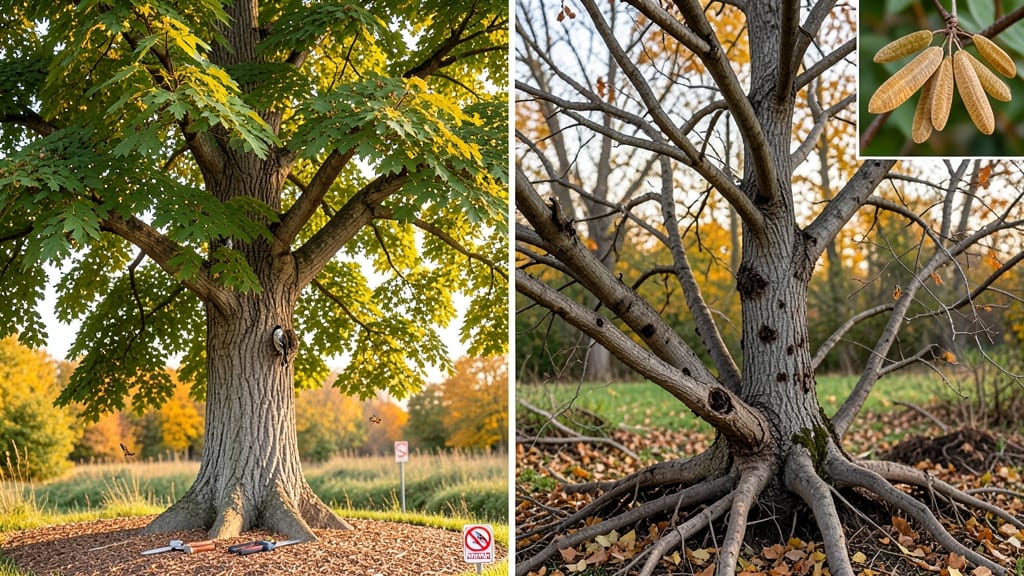
Planting a majestic ash tree comes with pros and cons—fast-growing shade transforms your yard in decades, not years—but there’s more to the story than just speed. 🌳 I’ve seen these trees go from saplings to towering canopies in what feels like overnight, casting cool shadows perfect for summer picnics and outdoor lounging.
Their feathery foliage turns brilliant gold in autumn, adding seasonal drama that few other trees can match. The trade-off? Ash trees demand space—50 to 70 feet tall at maturity—and their roots can encroach on foundations or sidewalks if not planted with foresight.
They’re also vulnerable to diseases like emerald ash borer, which has devastated ash populations in many regions. Still, their ecological value—supporting birds, butterflies, and beneficial insects—makes them a standout for wildlife-friendly landscapes.
What you’ll love: low-maintenance care once established, drought tolerance once rooted, and that unmatched vertical presence that makes your property feel grand. The key is choosing disease-resistant varieties and giving them room to thrive from the start.
Prune strategically in late winter to encourage strong branch structure and minimize future cleanup. For homeowners with the space and patience, ash trees deliver shade, beauty, and longevity—but they’re not a tree for small yards or areas with invasive pests.
If you’re ready for a legacy tree, here’s how to integrate one without regrets.
The first product explained
Meet the Majestic Ash Tree (Fraxinus excelsior)—a towering, fast-growing shade champion that’s as stunning as it is practical! If you're dreaming of a grand, leafy centerpiece for your yard or landscape, this European native is a top contender.
But like any superstar, it has its quirks. Let’s break down what makes this tree a showstopper (and where it might fall short).
🌳 Specs & Features
The Majestic Ash Tree is a deciduous powerhouse with specs that turn heads:
- Height: 50–70 feet (with a spread of 40–60 feet)—perfect for creating instant shade and drama.
- Growth Rate: Fast! Expect 2–3 feet per year, making it a quick way to fill bare spaces.
- Canopy: Broad, rounded, and dense—ideal for cooling patios, playgrounds, or even parking areas.
- Bark: Smooth and silvery-gray when young, maturing into a rugged, textured masterpiece.
- Leaves: Compound, feathery, and bright green in summer, turning a soft yellow in fall.
- Flowers/Fruit: Insignificant greenish blooms in spring, followed by samaras (winged seeds) that add whimsy.
- Lifespan: 200+ years with proper care—talk about a legacy!
🎯 Target Users
This tree is a dream for:
- Homeowners seeking fast, low-maintenance shade with year-round interest.
- Landscapers designing statement pieces for parks, campuses, or large estates.
- Wildlife enthusiasts—birds and squirrels adore its seeds, and it hosts beneficial insects.
- Urban planners looking to boost curb appeal and reduce heat island effects.
💰 Price Point
The cost of a Majestic Ash Tree varies by size and supplier, but here’s a general ballpark:
| Size | Price Range |
|---|---|
| 5–6 ft (container-grown) | $150–$300 |
| 10–12 ft (balled & burlapped) | $400–$700 |
| 15+ ft (large landscape specimen) | $800–$1,500+ |
Pro Tip: 💡 Buy from reputable nurseries to ensure disease-free stock—especially critical for ash trees today!
Ready to plant a living monument? Just remember: this beauty thrives in full sun and well-draining soil, so pick its spot wisely!
The second product explained
🌳✨ Meet the Fraser Ash Tree – A Stunning Alternative for Shade and Elegance!
The Fraser Ash Tree is a fast-growing, medium-sized tree that’s perfect for homeowners seeking a majestic yet manageable shade option. Unlike its more common counterparts, this variety boasts disease-resistant traits and a compact growth habit, making it an excellent choice for urban landscapes and smaller yards.
📏 Key Specs & Features
- Mature Height: 40–50 ft (with a spread of 30–40 ft) – ideal for medium-sized properties.
- Growth Rate: Moderate to fast (1–2 ft per year), reaching maturity in 15–20 years.
- Canopy: Dense, rounded crown with lush green foliage that turns golden-yellow in fall.
- Root System: Non-invasive, making it safer for sidewalks and driveways compared to some ash varieties.
- Hardiness: Thrives in USDA Zones 4–8, tolerating both heat and cold.
- Wildlife Benefit: Attracts birds and butterflies with its spring flowers and samaras (winged seeds).
🎯 Who Should Plant This?
This tree is a versatile powerhouse for:
- 🏡 Homeowners wanting a low-maintenance shade tree with year-round appeal.
- 🌆 Urban gardeners with limited space but craving a statement tree.
- 🐦 Eco-conscious plant lovers who prioritize native species and wildlife support.
- 🚫 Not ideal for: Areas prone to Emerald Ash Borer (though more resistant than some ash types) or regions with extreme drought.
💰 Price Point & Availability
Pricing varies by nursery and size, but expect to invest:
- Container-Grown (3–5 gal): $150–$300
- Field-Grown (B&B root system): $400–$700
- Pro Tip: 💡 Buy in early spring or fall for better selection and healthier roots!
With its striking beauty, resilience, and adaptability, the Fraser Ash Tree is a top-tier contender for those balancing aesthetics and practicality in their outdoor space. Ready to plant a legacy?
Head-to-head comparison
Deciding whether the majestic ash tree is the right fit for your landscape? Let’s break it down in a clear, side-by-side comparison to help you weigh the pros and cons like a pro!
Whether you’re swayed by its rapid growth or cautious about its long-term care, this comparison will give you the full picture. 🌳✨
🌱 Growth Rate & Size
The ash tree’s most celebrated trait is its fast growth, but this comes with trade-offs depending on your space and goals.
| Pros | Cons |
|---|---|
|
|
🌿 Shade & Aesthetic Appeal
The ash tree’s canopy is a dream for shade lovers, but its looks aren’t universally adored.
| Pros | Cons |
|---|---|
|
|
💰 Cost & Maintenance
Upfront savings might tempt you, but long-term care could surprise you!
| Pros | Cons |
|---|---|
|
|
🛡️ Durability & Lifespan
Ash trees are tough but not invincible. Here’s the hard truth about their longevity.
| Pros | Cons |
|---|---|
|
|
🌍 Environmental Impact
Beyond your backyard, ash trees play a role in the ecosystem—with both benefits and drawbacks.
| Pros | Cons |
|---|---|
|
|