
Pruning
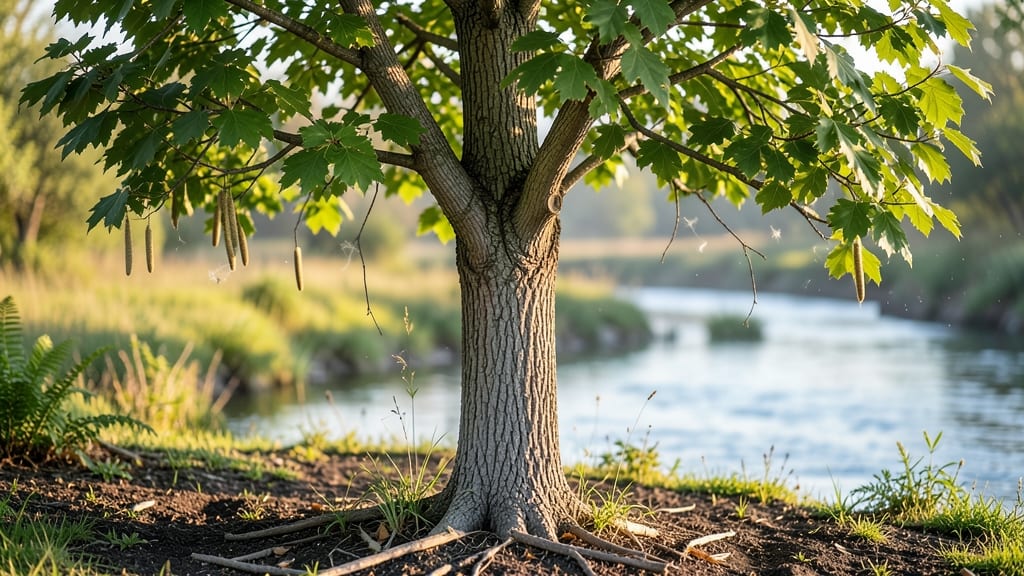
Planting poplar trees in South Carolina gives you fast shade within just a few years—no waiting decades for slow growers. 🌳 I’ve watched Eastern Cottonwoods and Carolina Poplars shoot up 5 feet in a single season, outpacing almost any other tree in the state.
The key is choosing the right species for your yard’s conditions and giving them the right start.
South Carolina’s heat and humidity actually work in poplars’ favor—they thrive in full sun and tolerate wet soil better than most trees. Eastern Cottonwoods handle floodplains, while Carolina Poplars prefer slightly drier ground.
Plant them in early spring or fall when temperatures are mild, and you’ll avoid transplant shock. The first year is critical: water deeply once a week unless we get steady rain.
What you’ll love most is how low-maintenance they are once established. Prune only to shape young trees—poplars rarely need heavy pruning—and watch them provide 50+ years of shade with minimal effort.
They’re also great for wildlife, offering nesting spots for birds and shelter for small animals. Just be prepared for their fast growth to mean occasional cleanup of fallen branches.
For residential yards, stick with Carolina Poplars—they’re more compact than Cottonwoods and less invasive. If you’re restoring wetlands or conservation areas, Eastern Cottonwoods are the go-to for erosion control. Either way, these trees deliver instant shade while asking for almost nothing in return once they’re settled in.
📚 In This Guide
- What you need
- Instructions
- Tips and common mistakes
- Wrapping up and next steps
What you need
- ● Hand pruners: Bypass pruners (sharp, 6-8" blades) for small branches (1/4" thick).
- ● Loppers: Bypass or anvil type (8-10" blades) for medium branches (1/4"–1.5" thick).
- ● Pruning saw: Curved-tooth saw for thick branches (1.5"–3" thick).
- ● Ladder: Sturdy, extendable aluminum ladder (20–30 ft, rated for 300+ lbs).
- ● Gloves: Heavy-duty, cut-resistant gloves (e.g., Mechanix Wear).
- ● Safety goggles: ANSI-rated for debris protection.
- ● Disposable pruning bags: 3–5 gallon capacity (for debris collection).
- ● Rubbing alcohol (70%+) & pruning sealant: For sterilizing tools and sealing cuts.
- ● First aid kit: Include bandages, antiseptic wipes, and tweezers.
- ● Pole saw: Extendable saw (10–15 ft) for high branches.
- ● Harness & rope: For working on very tall poplars (safety first!).
- ○ Tree wound dressing: Optional for large cuts (controversial but useful for some).
- ● Spray bottle with soapy water: To clean tools mid-pruning.
- ● Notebook & pen: To track pruning notes or map out cuts.
Instructions for planting poplar trees in South Carolina
Here’s how to get your poplar trees growing quickly and thriving in South Carolina’s climate.
🌱 Step 1: Choose the Right Time and Location
Plant poplar trees in early spring or fall when temperatures are mild—March to April or October to November work best. South Carolina’s warm winters and hot summers mean poplars grow fast, but they need space. Give each tree at least 30 feet of clearance from structures and other trees to prevent root competition and future maintenance headaches.
Poplars love full sun—6+ hours daily—so pick a spot with open sky. They tolerate a range of soil types but grow best in moist, well-drained soil. If your yard has heavy clay, amend the planting hole with compost to improve drainage. I always test the soil pH first—poplars prefer slightly acidic to neutral (6.0-7.0). If your soil is too alkaline, add sulfur to adjust before planting.
🪴 Step 2: Dig the Planting Hole and Prepare the Tree
Dig a hole twice as wide as the tree’s root ball but no deeper—poplars hate sitting too low, which can drown their roots. The top of the root ball should sit 1-2 inches above ground level to prevent waterlogging. Gently loosen the roots if they’re circling or bound—this encourages them to spread outward into the surrounding soil.
Remove the tree from its container and place it in the hole, ensuring the root flare (where the roots meet the trunk) is visible above the soil line. Backfill with the native soil you removed, tamping lightly every 6 inches to eliminate air pockets. Water deeply to settle the soil around the roots—10 gallons should do it for a young tree. Mulch the base with 2-3 inches of organic mulch, keeping it 6 inches away from the trunk to prevent rot.
☀️ Step 3: Water and Monitor for the First Year
Poplars are fast-growing but need consistent moisture during their first year. Water deeply once a week (or more in 90°F+ heat) to encourage deep root growth. Let the top 2-3 inches of soil dry out between waterings—this prevents shallow roots that make trees weak and prone to storm damage. I use a soaker hose for slow, deep watering to avoid wetting the leaves, which can cause fungal issues.
Watch for yellowing leaves—this often signals overwatering or poor drainage. If the soil stays soggy for more than a day, amend with sand or compost to improve drainage. Poplars also drop leaves in hot, dry spells, which is normal. Don’t panic unless the tree looks wilted or the bark splits—both signs of stress. Prune only dead or crossing branches in the first year; avoid heavy pruning, as poplars heal quickly but can bleed sap if cut at the wrong time.
✂️ Step 4: Prune for Health and Shape (After Year 1)
Prune poplars in late winter or early spring before new growth starts. Remove dead, diseased, or weak branches first, then thin out 10-20% of the canopy to improve air circulation. Cut back to a healthy lateral branch or bud—never leave a stub. Poplars grow fast, so I prune lightly each year to maintain shape and prevent overcrowding. Avoid topping (cutting the top flat), as this creates weak regrowth and invites pests.
If your poplar develops suction cups (small growths on the trunk), scrape them off with a knife—these are a sign of stress or disease. Keep an eye out for aphids or scale insects, which love poplar sap. A strong spray of water usually dislodges them, but severe infestations may need neem oil or insecticidal soap. Healthy poplars rarely need pesticides, so focus on watering and pruning to keep them strong.
⏰ Step 5: Long-Term Care for Fast Growth and Shade
After the first year, poplars need minimal care but benefit from annual mulching in spring. Add 2-3 inches of fresh mulch each year, spreading it 6 inches from the trunk. This keeps roots cool in summer and retains moisture. Fertilize lightly in early spring with a balanced, slow-release fertilizer (10-10-10) if the tree looks nutrient-deficient—yellow leaves between veins or stunted growth are telltale signs.
Poplars in South Carolina grow 3-5 feet per year under ideal conditions, providing rapid shade and privacy. To maximize their benefits, plant them 15-20 feet from sidewalks or driveways—their roots spread widely but aren’t invasive like some other fast growers. Enjoy the quick shade and low-maintenance nature of these trees—they’ll reward you with lush foliage and minimal fuss for decades.
Tips & tricks for perfect poplar tree planting in South Carolina
These simple strategies will help your poplar trees thrive quickly in South Carolina's unique climate.
Timing is Everything: The March to April or October to November planting windows are ideal because they allow roots to establish before extreme heat or cold. If you're planting in late fall, do it at least 6 weeks before the first frost—this gives roots time to settle before winter dormancy. I've seen poplars planted in December struggle with frost heave, where freezing and thawing cycles push roots up out of the soil.
Soil Prep Secret: Before planting, mix compost directly into the bottom 6 inches of your planting hole—this creates a nutrient-rich zone right where new roots will grow. For heavy clay soils common in South Carolina, blend in sand or perlite to improve drainage. I test soil pH with a simple kit from the garden center—poplars really appreciate that slightly acidic to neutral range (6.0-7.0) we mentioned.
Watering Wisdom: That 10-gallon deep watering after planting isn't just for show—it helps settle the soil and eliminates air pockets around the roots. For the first year, I set up a soaker hose on a timer for 20 minutes every other day during 90°F+ heat waves. The key is keeping moisture consistent but not waterlogged—poplars hate soggy feet. Let the top 2-3 inches dry between waterings to encourage deep root growth.
Pruning Pitfalls: Never top your poplar—that flat cut creates weak regrowth and invites pests. Instead, when pruning in late winter or early spring, make cuts just above a healthy lateral branch or bud. I use sharp pruners to make clean cuts, and I always sterilize them with rubbing alcohol between trees to prevent spreading disease. For those suction cups that appear, scrape them off with a knife and dispose of them—don't leave them on the tree.
Pro Tips for Poplar Tree South Carolina
- These simple strategies will help your poplar trees thrive quickly in South Carolina's unique climate.
- Timing is Everything: The March to April or October to November planting windows are ideal because they allow roots to establish before extreme heat or cold.
- Soil Prep Secret: Before planting, mix compost directly into the bottom 6 inches of your planting hole—this creates a nutrient-rich zone right where new roots will grow.
Frequently asked questions
about poplar trees in South Carolina—get answers to common concerns, care tips, and troubleshooting!How fast do poplar trees grow in South Carolina?
Poplar trees, especially Lombardy poplars, are among the fastest-growing trees in SC, with some species reaching 3–5 feet per year under ideal conditions. In optimal soil (moist, well-drained) and full sun, they can grow 6+ feet annually during their first decade. However, growth slows as they mature. Pro tip: Regular pruning (every 1–2 years) encourages faster, healthier growth!
Are poplar trees invasive in South Carolina?
Yes! Lombardy poplars (Populus nigra 'Italica') are considered highly invasive in SC due to their aggressive root systems and prolific seed production. They can outcompete native plants and disrupt ecosystems. If you’re planting one, check local regulations—some counties restrict or ban them. Native alternatives like Southern magnolia or live oak offer shade without the risk.
When is the best time to prune a poplar tree in South Carolina?
The ideal time to prune is late winter to early spring (February–March) before new growth begins. This prevents disease spread and encourages strong regrowth. Avoid pruning in fall or winter, as wounds may not heal properly before cold snaps. For Lombardy poplars, prune young trees annually to shape them and remove weak branches. Always use sterilized tools to avoid bacterial infections.
Why are my poplar tree leaves turning yellow?
Yellowing leaves (chlorosis) in poplar trees often signal nutrient deficiencies, overwatering, or fungal issues. Common causes in SC:
- Iron deficiency (common in alkaline soil)—apply chelated iron.
- Root rot from soggy soil—improve drainage or prune affected roots.
- Poplar borers or aphids—inspect for pests and treat with neem oil.
- Over-fertilization—poplars prefer lean soil; reduce nitrogen.
What’s a good alternative to poplar trees for shade in SC?
If you love poplars’ fast shade but want low-maintenance, non-invasive options, consider:
- Southern magnolia – Evergreen, fragrant, and drought-tolerant.
- Live oak – Slow-growing but long-lived with stunning canopy.
- Green ash – Adaptable, handles SC’s heat/humidity well.
- Sweetgum – Faster-growing than oaks but less aggressive.
Wrapping up and next steps
From their rapid growth to their stunning foliage and minimal care needs, poplar trees in South Carolina are a fantastic choice for homeowners looking to add shade and beauty to their landscapes. 🌳 Whether you're drawn to the towering Eastern Cottonwood or the elegant Yellow Poplar, these trees thrive in SC’s climate with just a little attention to pruning and soil health.
Ready to transform your yard? Start by choosing the right variety for your space, then grab your tools and get pruning—your future shade tree will thank you!
Next step: Mark your calendar for late winter or early spring to begin pruning, and watch your poplar grow into a thriving centerpiece of your outdoor space! 🌱