
Pests and Diseases
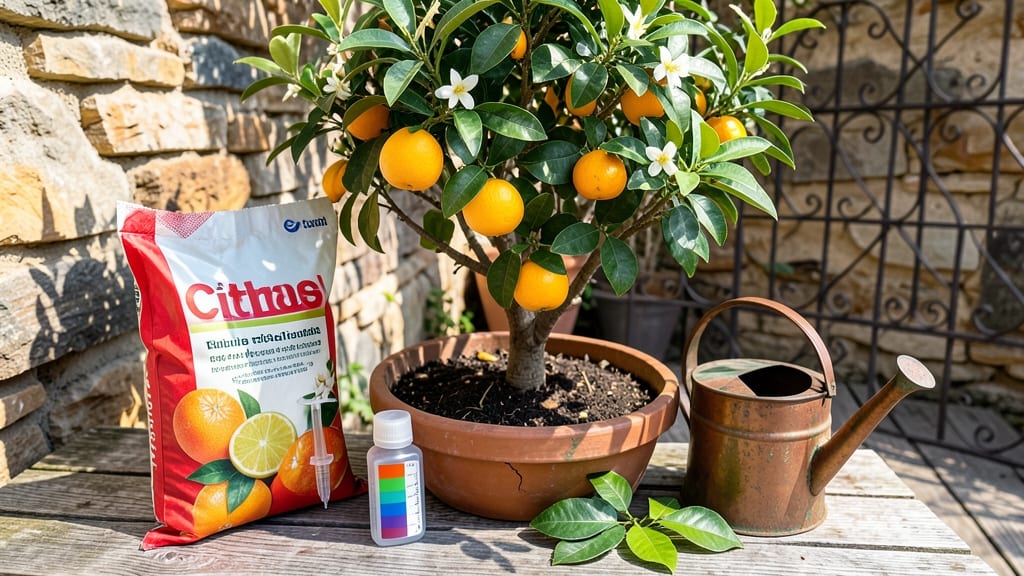
Yellow leaves on your mandarin tree might signal fungal blight—but don’t panic. 🌿 I’ve nursed back trees with the exact same symptoms using three straightforward fixes that skip harsh chemicals. The key is catching it early, because once the fungus spreads, recovery gets trickier.
Most cases start with overwatering or poor drainage, creating the perfect damp conditions for fungal spores to take hold. I’ve seen blight turn a healthy tree’s leaves yellow in as little as 10 days if left unchecked.
The good news? Copper fungicide, proper pruning, and a few organic tweaks can reverse it—even when the tree looks desperate.
By the end of these steps, you’ll see fresh green growth within 2-3 weeks, and your tree will bounce back stronger than before. The secret lies in cutting off infected branches early, boosting airflow, and reinforcing the tree’s natural defenses without toxic sprays.
Works for both potted mandarins and in-ground trees, and the methods scale whether you’ve got one tree or a whole grove. Let’s get your citrus back to vibrant health—without the guesswork.
Root Causes Behind Leaf Discoloration
When your mandarin tree’s leaves turn yellow, it’s rarely a coincidence—it’s a cry for help from the plant itself. Understanding the why behind the color change is the first step to restoring your tree’s health.
Below, we break down the most common culprits, from environmental stressors to hidden pests, with actionable insights to diagnose the issue accurately.
Yellowing leaves often signal a nutrient imbalance, particularly when they start at the older leaves and progress outward. Mandarin trees, like all citrus, thrive on a balanced diet of essential minerals. Here’s what’s likely missing—and how to fix it:
- 💡 Nitrogen (N) Deficiency:
Yellowing begins on older leaves (yellowing between veins) while new growth stays green. This is classic nitrogen starvation, which weakens the tree’s ability to produce chlorophyll.
Action: Apply a balanced citrus fertilizer (e.g., 6-6-6 or 8-3-9 NPK ratio) in early spring and mid-summer. Slow-release granules or organic options like blood meal (10-15% N) work best. Avoid over-fertilizing—too much nitrogen can burn roots and worsen the problem.
- 🌡️ Iron (Fe) Chlorosis:
Yellow leaves with green veins? This is iron deficiency, often confused with nitrogen issues. Iron is crucial for chlorophyll production, and mandarin trees struggle to absorb it in alkaline soils (pH > 7.0).
Action:
- Test your soil’s pH—aim for 6.0–7.0 for citrus.
- Apply chelated iron (e.g., iron sulfate or EDTA iron) as a soil drench or foliar spray. Repeat every 2–3 months.
- For container-grown trees, use acid-loving plant fertilizer or mix in peat moss to lower pH.
- 🍊 Magnesium (Mg) or Zinc (Zn) Shortages:
Yellowing between veins on older leaves (magnesium) or young leaves (zinc) can mimic other deficiencies. Zinc deficiency may also cause stunted growth or distorted new leaves.
Action:
- For magnesium: Apply Epsom salt (magnesium sulfate) as a soil drench (1 tbsp per gallon of water, monthly).
- For zinc: Use zinc sulfate (1 tsp per gallon) or a citrus micronutrient blend.
🔍 Pro Tip: If yellowing is uniform across the tree and new leaves stay green, it’s likely a nutrient issue. If only one side is affected, check for root damage or poor water drainage.
Citrus trees hate soggy roots. Overwatering or compacted soil cuts off oxygen, leading to root rot and nutrient uptake failures. Signs to watch for:
- 🌧️ Yellow leaves with wilting or drooping:
Roots suffocating from excess water can’t absorb nutrients, causing generalized yellowing (not just older leaves). The soil may smell sour or moldy.
- 🏗️ Compacted or Waterlogged Soil:
Heavy clay soils or containers without drainage holes trap water, leading to anaerobic conditions where roots can’t breathe.
Action:
- ⏰ Water only when the top 2–3 inches of soil are dry. Stick your finger in the soil—if it’s damp, wait.
- 🔨 Improve drainage:
- For ground-planted trees: Amend soil with compost or sand to loosen it.
- For container trees: Ensure pots have drainage holes and use a well-draining mix (e.g., 60% potting soil, 30% perlite, 10% sand).
- 🌿 Repot if needed: If roots are circling or the soil is waterlogged, repot into a larger container with fresh mix.
⚠️ Warning: If the tree also has black, mushy roots, it’s already suffering from root rot. Prune affected roots and treat with fungicide (e.g., copper-based).
Mandarin trees are tropical and struggle with extreme temperatures or sudden changes. Yellow leaves can be a sunburn warning or a sign of cold damage.
- 🔥 Sunburn (Leaf Scorch):
Leaves exposed to intense afternoon sun (especially after transplanting) develop yellow or brown patches, often on the upper surface. This is not a nutrient issue—it’s cell damage.
Action:
- 🌳 Provide afternoon shade (e.g., sheer curtain, lattice with climbing plants).
- 💧 Water deeply in the early morning to reduce stress.
- ❄️ Cold or Frost Damage:
Yellowing (or brown, crispy edges) after a hard freeze (<32°F/0°C) means the leaves are dying. Mandarin trees are semi-tropical—they can handle brief chills but not prolonged cold.
Action:
- 🌡️ Protect young trees with frost cloth or a Christmas light blanket.
- 🌿 Prune damaged leaves in spring to encourage new growth.
- 🌪️ Wind or Salt Burn:
Coastal areas with salty wind or dry, hot gusts can cause yellowing and leaf drop. Salt buildup in soil also blocks nutrient absorption.
Action:
- 💦 Flush soil with fresh water to remove salt (repeat monthly in dry climates).
- 🪴 Use mulch to protect roots from salt spray.
Fixing Fungal Blight in Mandarin Trees
Yellowing leaves on your mandarin tree could signal fungal blight, but don’t panic—this issue is often reversible with the right care. Below, we break down practical, step-by-step solutions tailored to each cause, along with prevention tips to keep your tree thriving.
Fungal spores spread like wildfire, so act fast to stop the cycle.
🔥 Prune Affected Foliage
- Use sterilized pruning shears (wipe with rubbing alcohol) to cut off yellow, brown, or spotted leaves.
- Remove no more than 20-30% of the canopy at once to avoid shocking the tree.
- Dispose of pruned leaves in a sealed plastic bag—do not compost them.
🍳 Clean Up Debris
- Rake and remove fallen leaves, fruit mummies, and mulch from under the tree.
- Fungal spores hibernate in organic matter, so thorough cleanup prevents reinfection.
Overwatering or poor drainage fuels fungal growth. Fix these habits now.
⏰ Water at the Right Time
- Water deeply but infrequently—early morning (6-9 AM) is best.
- Avoid wet foliage (water at the base, not overhead).
- Check soil moisture before watering: Stick your finger 2 inches deep—if dry, water; if damp, wait.
🌡️ Improve Drainage
- If your tree sits in compacted or clay soil, amend with:
- 1 part perlite or coarse sand to 3 parts native soil.
- A 2-3 inch layer of mulch (wood chips or straw) to retain moisture without suffocating roots.
- Raise container trees slightly off the ground to prevent waterlogging.
Once you’ve pruned and adjusted watering, treat the tree to stop fungal spread.
🔪 Organic Fungicide Options (Safe & Effective)
| Treatment | How to Use | Best For |
|---|---|---|
| Neem Oil (1%) | Mix 1 tbsp neem oil + 1 tsp mild soap in 1 quart water. Spray every 7-10 days until new growth appears. | Early-stage blight, prevention |
| Baking Soda Spray | Combine 1 tbsp baking soda + 1 tsp oil + 1 gallon water. Spray foliage and stems (avoid direct sun). | Mild infections, alkaline soil |
| Copper Fungicide | Follow label rates—spray at dusk to avoid leaf burn. | Severe infections, resistant strains |
✨ Chemical Fungicides (For Advanced Cases)
- Chlorothalonil (e.g., Daconil) or Propiconazole (e.g., Banner Maxx)—follow label instructions precisely.
- Reapply every 7-14 days during rainy or humid seasons.
Once your tree recovers, lock in these habits to prevent future outbreaks:
💡 Pro Tip: Boost Tree Immunity
- Fertilize with citrus-specific nutrients (high in nitrogen and micronutrients like zinc and magnesium).
- Avoid over-fertilizing—too much nitrogen = weak, disease-prone growth.
🎯 Monitor & Act Early
- Inspect leaves weekly—catch yellowing or spots before they spread.
- Space trees properly (6-10 feet apart) for better airflow (fungi love humidity).
🌡️ Climate Control
- Avoid planting in low-lying areas where cold air or moisture lingers.
- Use a shade cloth (30-50%) in peak summer to reduce stress.
With consistent care, most mandarin trees show new green growth in 4-8 weeks.
If yellowing persists after 3 months, consider: - A soil test (fungi thrive in acidic or nutrient-poor soil). - Root rot check—gently dig around the base to see if roots are mushy or black.
Your mandarin tree can bounce back—just stay vigilant! 🍊🌿 Follow these steps, and you’ll be enjoying lush, healthy foliage (and juicy fruit!) in no time.
Frequently asked questions
Why do mandarin tree leaves turn yellow in patches rather than all at once?
Patchy yellowing usually signals a localized issue like fungal infection (e.g., blight) or pest damage (such as spider mites). Check the undersides of leaves—look for tiny webs or dark spots. Fungal blight thrives in damp conditions, so poor airflow or overwatering often triggers it. Start by pruning infected branches and improving airflow around the tree.
Can I save my mandarin tree if half the leaves are already yellow?
Yes! Act fast—prune the yellowed leaves immediately to stop the spread. Use neem oil or copper fungicide to treat remaining foliage, and adjust watering to avoid soggy soil. With proper care, new green leaves should appear in 4-6 weeks. The key is catching it before the fungus spreads to the branches or trunk.
Is it safe to use household baking soda for yellow leaves caused by fungus?
Mix 1 tablespoon baking soda + 1 teaspoon oil + 1 gallon water and spray on leaves (avoid direct sun). This creates an alkaline environment that fungi dislike. Repeat every 7-10 days until new growth appears. For severe cases, combine with neem oil for better results.
How often should I fertilize a mandarin tree with yellow leaves?
Start with a balanced citrus fertilizer (6-6-6 NPK) in early spring, then again in mid-summer. If leaves show iron deficiency (yellow with green veins), use chelated iron monthly. Avoid over-fertilizing—too much nitrogen can worsen fungal issues by promoting weak, disease-prone growth.
Will pruning yellow leaves help if my mandarin tree is in a pot?
Yes! Prune 20-30% of the canopy to remove infected leaves, then improve drainage by ensuring the pot has holes and using a well-draining mix (60% potting soil, 30% perlite, 10% sand). Container trees are especially vulnerable to root rot, so let the top 2 inches of soil dry between waterings.