
Trees
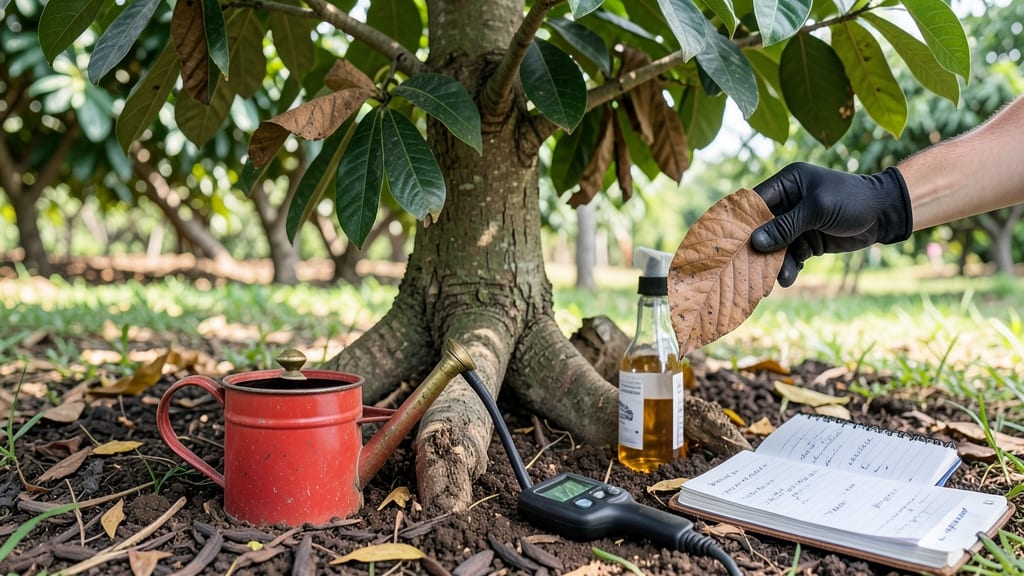
Your mango tree’s brown leaves aren’t a death sentence—just a wake-up call. 🌿 I’ve nursed back more than my share of struggling mango trees, and the fix always starts with identifying why those leaves are turning crispy.
Overwatering, nutrient deficiencies, or pests are usually the culprits, but the good news? Each has a targeted solution that brings back that lush, tropical green.
Most gardeners overlook the simplest fixes first: check your watering routine. Mango trees hate soggy roots—brown edges on leaves often mean you’re drowning them. Then look for yellowing between veins (iron deficiency) or tiny webs (spider mites).
The key is matching the symptom to the fix: adjust water, fertilize, or spray with neem oil. I’ve revived trees in as little as 2 weeks with the right approach.
Once you’ve addressed the root cause, prune away the worst-affected leaves to redirect the tree’s energy. You’ll notice fresh, vibrant growth within 3-4 weeks, and the tree will start putting energy into fruit instead of struggling.
The best part? Preventing future browning is easier than fixing it—just keep an eye on soil moisture and leaf color.
This works for both container-grown mango trees and those planted in the ground. Whether you’re dealing with a young sapling or a mature tree, the same principles apply. Let’s turn those brown leaves into a thing of the past—your mango tree’s comeback starts here.
Root Causes Behind Browning Leaves
When your mango tree’s leaves turn brown, it’s often a distress signal from the plant. Understanding the root causes—whether environmental, biological, or physiological—helps you take precise action before the problem spreads.
Below, we break down the most common reasons, backed by science, so you can diagnose and fix the issue with confidence.
Mango trees thrive in tropical to subtropical climates (USDA Zones 10–11), where temperatures hover between 60°F–95°F (15°C–35°C). When exposed to frost, scorching heat, or rapid temperature swings, leaves react by browning at the edges or tips—a protective response to cellular damage.
- Cold Damage: Temperatures below 32°F (0°C) trigger ice crystal formation in leaf cells, rupturing membranes and causing necrosis (dead tissue). Young, tender leaves are most vulnerable.
- Heat Stress: Prolonged exposure to above 100°F (38°C) disrupts photosynthesis. Leaves may scorch (turn crispy brown) due to oxidative stress from excess sunlight and dehydration.
- Windburn: High winds dry out leaves faster than roots can replace moisture, leading to desiccation (drying out) and browning, especially in transplant shock scenarios.
💡 Pro Tip: If your mango tree is in a marginal climate (e.g., Zone 9), protect it with burlap wraps in winter or shade cloth in summer. Mulch the root zone with straw or wood chips to insulate soil temperatures.
Mango trees are drought-tolerant but not drought-proof. Both overwatering and underwatering can trigger browning leaves, but the symptoms—and fixes—differ dramatically.
| Issue | Symptoms | Cause |
|---|---|---|
| Underwatering | Leaves turn crispy brown from the edges inward; soil pulls away from pot edges (if potted). | Roots can’t absorb enough water to sustain transpiration. Cells plasmolyze (shrink), leading to irreversible damage. |
| Overwatering | Yellowing between veins, then muddy brown patches; soggy soil; possible fungal odor. | Root rot (Pythium or Phytophthora) cuts off oxygen to roots, starving the tree. Brown leaves = toxic buildup of ethylene from anaerobic soil. |
| Improper Drainage | Brown spots on lower leaves first; roots visible above soil line (in pots). | Waterlogged roots suffocate the tree. Mangoes hate "wet feet"—their roots need aeration to thrive. |
✨ Fix It:
- Underwatered? Water deeply 2–3 times per week (1–2 inches per session) and mulch to retain moisture.
- Overwatered? Let soil dry 2–3 inches deep between waterings. Repot in well-draining mix (60% potting soil, 30% perlite, 10% sand).
- Poor drainage? Elevate pots or add gravel layers at the bottom. In ground? Amend clay soil with compost and gypsum.
Mango trees love full sun (6+ hours daily), but too much or too little light stresses them, leading to brown leaves.
- Sunburn: Sudden exposure to intense afternoon sun (e.g., moving a potted tree from shade to direct light) causes photoxidative damage. Leaves develop bleached or brown patches within days.
- Light Deficiency: In low-light conditions (e.g., indoor mango trees or shaded outdoor spots), leaves turn yellow-green first, then brown as chlorophyll breaks down. New growth may be stunted and weak.
🌿 Solution:
- For sunburn: Gradually acclimate trees to sunlight (harden off) over 7–10 days. Use light shade cloth (30–50%) for newly planted trees.
- For low light: Move trees to a south-facing window (indoors) or prune nearby obstructions (outdoors). Supplement with a grow light if growing indoors.
Pathogens like Anthracnose, Powdery Mildew, or Bacterial Leaf Spot thrive in humid, stagnant conditions, turning leaves brown with telltale signs:
| Disease | Brown Leaf Symptoms | Other Clues |
|---|---|---|
| Anthracnose | Dark brown, sunken spots with yellow halos; leaves may drop prematurely. | Wet, humid weather; affects young leaves and fruit. |
| Powdery Mildew | Leaves develop grayish-brown powdery patches; may curl or distort. | White fungal growth on undersides of leaves; common in poor airflow. |
| Bacterial Leaf Spot | Small, water-soaked brown spots with yellow margins; spots may ooze bacteria. | Rain splashes or overhead watering spread the disease. |
🔥 Treatment:
- Prune infected leaves and dispose of them in the trash (not compost).
- Spray with copper fungicide (for Anthracnose) or neem oil (for Powdery Mildew) every 7–10 days until symptoms fade.
- Improve air circulation by spacing trees 10–15 feet apart and avoiding overhead irrigation.
Sap-sucking pests like spider mites, aphids, and scale insects weaken mango trees by draining nutrients, leading to brown, crinkled, or stippled leaves. Their damage also creates entry points for secondary infections.
- Spider Mites: Tiny webs on undersides of leaves; leaves develop bronze-brown speckles.
- Aphids: Sticky residue ("honeydew") on leaves; brown, curled leaf tips.
- Scale Insects: Brown, shell-like bumps on stems/leaves; stunted growth.
👨🍳 Pest Control:
- Blast pests off with a strong water spray (repeat weekly).
- Apply insecticidal soap or horticultural oil (follow label rates).
- Introduce beneficial predators like ladybugs or lacewings for long-term prevention.
By pinpointing the exact cause—whether
Quick Fixes for Reviving Your Tree
Brown leaves on your mango tree don’t mean the end of your harvest—just a call for action! Whether it’s nutrient deficiencies, pests, or environmental stress, each issue has a targeted solution.
Below, we break down the most common causes and the easiest, fastest fixes to restore your tree’s lush green canopy. Plus, we’ll share prevention tips to keep those leaves vibrant for years.
Brown leaves often signal a hunger for essential nutrients. Mango trees thrive on a balanced diet, and deficiencies can turn foliage yellow, brown, or even crispy.
🔥 Step 1: Diagnose the Deficiency
Check the leaf pattern:
- Yellowing between veins? → Likely magnesium or nitrogen deficiency.
- Brown edges with yellowing? → Could be potassium or calcium deficiency.
- Pale, weak leaves? → Possible iron or zinc deficiency.
🍳 Step 2: Apply the Right Fertilizer
Use a slow-release, organic fertilizer (like compost or manure) or a balanced NPK (10-10-10) fertilizer for general health.
For specific fixes: - Magnesium deficiency: Sprinkle Epsom salt (1 tbsp per gallon of water) every 2 weeks. - Potassium deficiency: Use a banana peel tea (steep peels in water for 2 days, then spray). - Iron deficiency: Apply chelated iron or spray with a ferrous sulfate solution (1 tsp per gallon).
👨🍳 Step 3: Improve Soil Health
- Test your soil (pH should be 5.5–7.0 for mango trees).
- Add organic matter like compost or well-rotted manure to enrich the soil.
- Mulch around the base (2–3 inches of straw or wood chips) to retain moisture and nutrients.
💡 Pro Tip:
🌡️ Avoid over-fertilizing! Too much salt or synthetic fertilizer can burn roots and worsen leaf browning. Always water thoroughly after applying fertilizers.
Pests like aphids, mites, and scale insects suck sap from leaves, causing them to brown and curl. Here’s how to evict them:
🔪 Step 1: Identify the Culprit
- Tiny white spots on leaves? → Aphids or mealybugs.
- Fine webbing on undersides? → Spider mites.
- Sticky residue (honeydew)? → Scale insects or whiteflies.
🥘 Step 2: Natural Pest Control Methods
- Neem oil spray (1 tsp neem oil + 1 tsp mild soap + 1 quart water) – spray every 5–7 days until pests are gone.
- Horticultural oil (for scale and mites) – Apply in early morning or late evening to avoid burning leaves.
- Introduce beneficial insects like ladybugs or lacewings to eat aphids naturally.
⏰ Step 3: Prevent Future Infestations
- Prune infected branches immediately and dispose of them far from the tree.
- Encourage natural predators by planting marigolds or basil nearby.
- Keep the area clean – Remove fallen leaves and debris where pests hide.
Too much sun, wind, or drought can scorch leaves and turn them brown. Adjust your tree’s environment to help it recover.
💧 Step 1: Water Wisely
- Drought stress? Water deeply 2–3 times per week (depending on climate) and mulch heavily to retain moisture.
- Overwatering? Let the top 2 inches of soil dry out between waterings to prevent root rot.
🌿 Step 2: Provide Shade & Shelter
- Young trees or hot climates? Use shade cloth (30–50%) during peak sun hours (10 AM–4 PM).
- Wind exposure? Plant near a windbreak (hedge or fence) to reduce leaf damage.
🎯 Step 3: Prune for Better Airflow
- Remove dead, diseased, or crossing branches to improve circulation.
- Thin out the canopy to let sunlight reach inner leaves evenly.
✨ Pro Tip:
🌡️ Monitor humidity! Brown, crispy edges often mean low humidity. Mist leaves occasionally or use a humidifier nearby (especially in dry climates).
Once your mango tree is back in bloom, follow these habits to prevent brown leaves long-term:
- 📊 Soil test annually – Adjust pH and nutrients as needed.
- 💪 Fertilize seasonally – Use a balanced fertilizer in spring and a potassium-rich one in fall.
- 🍎 Prune regularly – Remove dead wood and thin out dense growth every 6–12 months.
- 🌿 Watch for early signs – Act fast at the first sign of browning (spots, curling, or wilting).
With these fixes, your mango tree should bounce back in 4–8 weeks, depending on the cause. Keep an eye on progress, and don’t hesitate to adjust care as needed. Soon, you’ll be enjoying glossy green leaves and juicy mangoes again! 🥭🌿
Frequently asked questions
Why are my mango tree leaves turning brown only at the edges?
This is usually a sign of underwatering or low humidity. Mango trees need consistent moisture—water deeply 2-3 times per week and mulch to retain soil moisture. For indoor trees or dry climates, mist leaves occasionally or use a humidifier nearby to prevent crispy edges.
Can I save my mango tree if the brown leaves are already crispy?
Yes, but act fast! Prune away the most damaged leaves to redirect the tree's energy. Focus on fixing the root cause (watering, pests, or nutrient issues) and new growth should appear within 3-4 weeks. Avoid pruning more than 25% of the foliage at once to prevent stressing the tree further.
What’s the difference between brown leaves from pests vs. disease?
Pest damage (like spider mites or aphids) often shows as stippled or crinkled brown patches with visible webs or sticky residue. Disease-related browning appears as spots with yellow halos (Anthracnose) or powdery coatings (Powdery Mildew). Check leaf undersides for tiny insects or fungal growth to diagnose accurately.
How often should I fertilize a mango tree to prevent brown leaves?
Use a balanced fertilizer (10-10-10) every 2-3 months during growing season (spring-fall). For specific deficiencies, apply targeted treatments like Epsom salt for magnesium or chelated iron. Always water thoroughly after fertilizing to prevent root burn, which can cause browning.
Will pruning brown leaves help my mango tree recover faster?
Pruning removes dead foliage that drains the tree's energy. Focus on removing only the most damaged leaves—healthy green leaves help the tree photosynthesize and recover. Sterilize pruners with rubbing alcohol between cuts to prevent spreading disease. New growth typically appears within 2-3 weeks of proper pruning.