
Trees
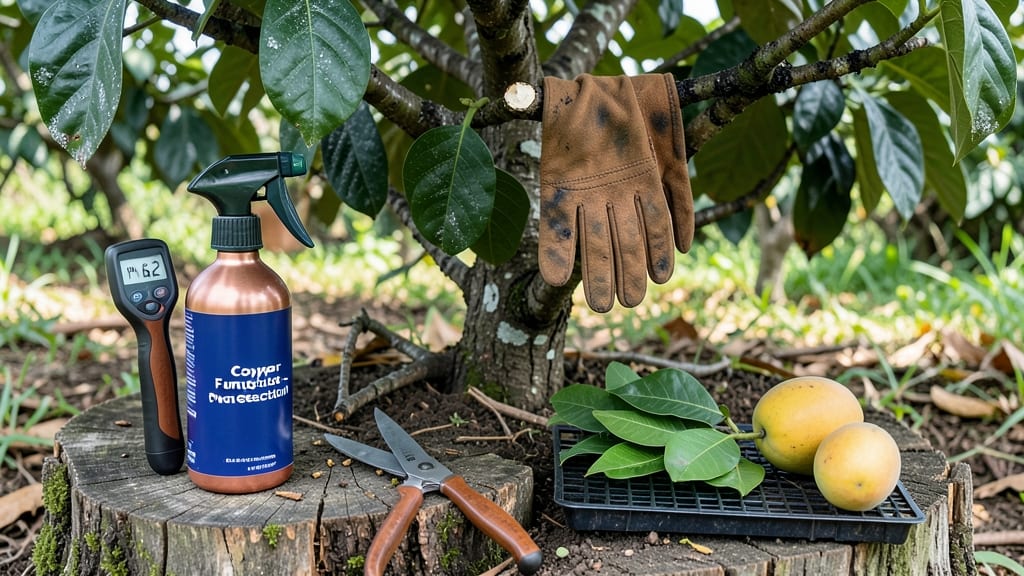
Mango trees fight fungus battles every growing season, and knowing the enemy is half the victory. 🌿 I’ve lost entire harvests to stubborn fungal spots—until I learned to spot the warning signs early.
Anthracnose, powdery mildew, and stem-end rot each leave their own telltale marks on leaves, fruit, and bark, but once you recognize them, treatment becomes straightforward.
The real damage starts with humidity and poor airflow—fungi thrive in damp, crowded conditions. My trees stayed healthy after I pruned for better circulation, removed infected fruit immediately, and avoided overhead watering.
Organic options like neem oil or copper fungicides work well when caught early, but prevention is always easier than cleanup.
You’ll spot the difference within weeks: leaves stay vibrant, fruit ripens evenly, and no more blackened patches ruin your harvest. The key is acting fast—once fungus takes hold, it spreads like wildfire. With the right tools and timing, you can protect your tree without harsh chemicals.
Works for backyard trees, small orchards, or container-grown mangos—just adjust the scale. Here’s how to turn back the fungal tide before it starts.
Root Causes Of Tree Fungus
Fungal infections in mango trees don’t appear out of nowhere—they thrive due to specific conditions that create the perfect storm for spores to germinate and spread. Understanding these triggers is key to preventing outbreaks before they damage your harvest.
Below, we break down the primary reasons mango trees succumb to fungal diseases, from environmental factors to cultural practices that invite trouble.
Fungi love moisture, and excessive soil saturation is their favorite breeding ground. When mango trees sit in waterlogged conditions—whether from heavy rainfall, overwatering, or compacted soil—the roots struggle to absorb oxygen, weakening the tree’s defenses.
This stress makes it easier for fungal pathogens like **anthracnose (Colletotrichum gloeosporioides) or root rot (Pythium or Phytophthora) to invade.
Why it happens:
- Clay-heavy or poorly amended soil holds water like a sponge, suffocating roots.
- Improper irrigation (e.g., drip systems leaking near the trunk or flood irrigation) creates prolonged dampness.
- Low-lying areas where water pools after rain or storms.
- Monoculture planting (growing only mango trees) disrupts soil biodiversity, reducing natural fungal predators.
Actionable fix: Test your soil’s drainage by digging a 12-inch hole, filling it with water, and timing how long it takes to drain. If it’s slower than 4–6 hours, amend with compost, perlite, or coarse sand to improve aeration. Elevate young trees with mounds or raised beds to prevent waterlogging.
Mango trees are tropical, but excessive humidity (above 80%) combined with poor airflow turns leaves and fruit into fungal buffets. Pathogens like powdery mildew (Oidium mangiferae) and sooty mold (which thrives on honeydew from pests) spread rapidly when spores linger in damp, still air.
Why it happens:
- Dense canopies block sunlight and airflow, keeping humidity trapped.
- Overhead irrigation wets leaves instead of roots, creating a film for spores to cling to.
- Monsoon seasons or coastal climates with frequent mist or fog.
- Weeds or ground cover under the tree retain moisture and harbor spores.
Actionable fix:
- Prune strategically to open the canopy and allow cross-ventilation.
- Water at the base (early morning) and avoid wetting foliage.
- Use fungicidal sprays (e.g., neem oil or copper-based treatments) during high-humidity periods.
- Mulch with coarse materials (like pine straw) to reduce soil moisture evaporation while improving airflow at the base.
Fungal infections often hitchhike on wounds caused by pests like fruit flies, aphids, or scale insects. These critters don’t just feed—they create entry points for pathogens. For example, aphids excrete honeydew, which attracts sooty mold, while fruit borers leave tunnels that invite stem-end rot.
Why it happens:
- Unchecked infestations (e.g., mango hoppers or mealybugs) stress the tree, lowering its resistance.
- Physical damage from birds, hail, or improper pruning creates open wounds.
- Chemical overuse (e.g., broad-spectrum pesticides) kills beneficial insects that prey on pests, leading to outbreaks.
Actionable fix:
- Monitor regularly for early signs of pests (e.g., sticky residue, chewed leaves, or frass).
- Introduce natural predators like ladybugs or parasitic wasps to control aphids.
- Apply horticultural oil or insecticidal soap to smother soft-bodied pests without harming the tree.
- Seal pruning wounds with pruning sealant to prevent fungal entry.
Mango trees prefer warm, stable climates, but sudden shifts—like cold snaps followed by heatwaves—shock the tree’s immune system. Cold stress weakens cell walls, making them vulnerable to bacterial or fungal invasions, while heat stress (above 95°F) increases transpiration, concentrating sugars in leaves—a fungal feast.
Why it happens:
- Late frosts or early freezes damage young shoots and flowers.
- Heat domes (urban or microclimates) bake the tree while nighttime humidity spikes.
- Transplant shock from moving trees in peak summer or winter.
Actionable fix:
- Mulch heavily (3–4 inches of organic mulch) to regulate soil temperature.
- Use shade cloth (30–50% coverage) for young trees during extreme heat.
- Avoid pruning during stress periods (e.g., winter dormancy or peak summer).
- Acclimate new trees gradually if moving them to a different climate.
Fungi exploit nutrient deficiencies or excesses that weaken mango trees. For instance, low potassium reduces disease resistance, while over-fertilizing with nitrogen promotes lush, tender growth that’s prime fungal real estate.
Why it happens:
- Soil deficiencies (e.g., magnesium, calcium, or zinc) lead to chlorosis and weakened cell walls.
- Improper fertilizer ratios (e.g., too much nitrogen, too little phosphorus) create imbalances.
- Overuse of synthetic fertilizers disrupts beneficial soil microbes that suppress fungi.
Actionable fix:
- Test soil annually and amend with balanced fertilizers (e.g., 10-10-10 NPK or organic compost tea).
- Apply micronutrients like Epsom salt (magnesium) or chelated iron if leaves show deficiency signs.
- Use slow-release fertilizers to avoid spikes that stress the tree.
Fungal spores hitch rides on pruners, grafts, or even water from infected trees. If you prune a diseased branch and then use the same shears on a healthy tree, you’re essentially planting a fungal bomb.
Why it happens:
- Reusing tools between trees without sterilization.
- Grafting or propagating from infected stock.
- Splashing water from infected areas to healthy ones during irrigation.
Actionable fix:
- Sterilize tools between uses with 70% isopropyl alcohol or bleach solution (1 part bleach to 9 parts water).
- Dispose of infected plant debris (don’t compost it—burn or bury it deeply).
- Isolate new trees** for 30 days to monitor for symptoms before integrating them into your grove.
Quick Fixes for Tree Troubles
Fungal infections on mango trees can feel like a battle against an invisible enemy—until you spot the telltale signs. The good news? With the right approach, you can restore your tree’s health and prevent future outbreaks.
Below are practical, step-by-step solutions tailored to the most common causes of mango tree fungus, plus prevention tips to keep your tree thriving.
Cause: Colletotrichum fungus thrives in humid, wet conditions, causing dark lesions on leaves, stems, and fruit.
How to Fix It:
- 🔥 Prune & Remove Infected Parts
- Cut off blackened or yellowing leaves, stems, and fruit with sterilized pruners (wipe with rubbing alcohol between cuts).
- Dispose of infected material in a sealed trash bag—do not compost it!
- 🍳 Fungicide Spray (Organic or Chemical)
- Neem oil spray (1 tsp neem oil + 1 tsp mild soap + 1 quart water): Spray every 7–10 days for 2–3 weeks.
- Copper-based fungicides (like Bordeaux mixture): Apply at first sign of infection and repeat every 2 weeks.
- Pro tip: Spray in the early morning or late afternoon to avoid burning leaves in direct sunlight. ✨
- 🌡️ Improve Airflow & Reduce Humidity
- Thin out dense foliage to allow sunlight and air circulation.
- Avoid overhead watering—water at the base and use a drip irrigation system if possible.
Prevention:
- Plant mango trees in well-draining soil (fungi love soggy roots!).
- Space trees 15–20 feet apart to reduce humidity buildup.
- Apply a preventive fungicide spray before the rainy season.
Cause: Oidium or Erysiphe fungi spread in warm, dry conditions, creating a white, powdery film on leaves.
How to Fix It:
- 👨🍳 Baking Soda Spray (DIY Remedy)
- Mix 1 tbsp baking soda + 1 tsp horticultural oil + 1 gallon water.
- Spray both sides of leaves until fully coated. Repeat every 7–10 days.
- 🥘 Sulfur or Potassium Bicarbonate Fungicide
- Wettable sulfur (1–2 tbsp per gallon of water) works well but avoid if temps exceed 85°F (can burn leaves).
- Potassium bicarbonate (2–3 tbsp per gallon) is safer for hot climates.
- ⏰ Adjust Watering & Pruning
- Water deeply but infrequently—powdery mildew thrives on surface moisture.
- Prune lower branches to improve airflow.
Prevention:
- Choose resistant mango varieties (e.g., ‘Keitt’ or ‘Cogshall’).
- Mulch around the base with straw or wood chips to regulate soil moisture.
- Avoid nitrogen-heavy fertilizers—they encourage lush, mildew-prone growth.
Cause: Phytophthora or Fusarium fungi drown roots in waterlogged soil, leading to soft, discolored stems.
How to Fix It:
- 🔪 Dig & Assess the Roots
- Gently loosen soil around the base to check for black, mushy roots.
- Trim away infected roots with sterilized tools.
- 🌱 Improve Drainage Immediately
- Raise the tree’s base by adding gravel or sand to create a mound.
- Repot or transplant if soil is consistently soggy (use well-draining potting mix).
- 💡 Fungicide & Beneficial Microbes
- Apply hydrogen peroxide (3%) to soil (1 cup per gallon of water) to kill fungus and oxygenate roots.
- Use mycorrhizal fungi or Trichoderma treatments to boost root health.
Prevention:
- Plant in raised beds if your soil drains poorly.
- Never let water pool around the trunk—ensure proper grading.
- Avoid overwatering—stick your finger 2 inches into soil; water only if dry.
| Step | Action | Frequency |
|---|---|---|
| Inspect weekly | Check leaves, stems, and soil for early signs of fungus. | Every 7–10 days |
| Clean up debris | Remove fallen leaves/fruit to reduce fungal spores. | Monthly |
| Sterilize tools | Wipe pruners with rubbing alcohol before and after use. | Before every use |
| Boost tree health | Fertilize with potassium-rich compost to strengthen natural defenses. | Every 3 months (dry season) |
💡 Pro Tip: Healthy trees fight fungus better! Ensure your mango tree gets:
- Full sun (6+ hours daily)
- Balanced fertilizer (high in potassium, low in nitrogen)
- Regular pruning for airflow
By acting fast and consistently, you can save your mango tree and enjoy juicy, fungus-free fruit for years! 🍈🌿
Frequently asked questions about mango tree fungus
How can I tell if my mango tree has fungus instead of a nutrient deficiency?
Fungal infections often show up as distinct spots or films on leaves, stems, or fruit. Look for dark, sunken lesions (anthracnose), white powdery coatings (powdery mildew), or blackened, mushy areas (stem-end rot). Nutrient deficiencies usually cause uniform yellowing or browning without these specific patterns.
Is it safe to compost leaves or fruit with fungal spots?
No! Fungal spores can survive composting and reinfect your garden. Always remove infected plant material in a sealed trash bag or burn it. Even "mature" compost piles can harbor pathogens that spread to healthy plants.
Can I use the same fungicide spray on my mango tree and other fruit trees?
Most fungicides are safe across trees, but check labels for specific fruit tree approvals. Copper-based sprays and neem oil are generally safe for all fruit trees, but avoid sulfur near citrus (it causes leaf burn). Always test on a small area first.
How often should I inspect my mango tree for early signs of fungus?
Check your tree every 7-10 days during humid seasons (spring/fall) and weekly after rainstorms. Focus on new leaves, fruit, and pruning wounds—these are prime infection sites. Early detection makes treatment much easier!
Will pruning help prevent fungus in my mango tree?
Pruning improves airflow (fungi hate dry conditions) and removes infected branches before spores spread. Thin out dense foliage and crossing branches to create space between leaves. Always sterilize your pruners between cuts to prevent cross-contamination.