
Pruning
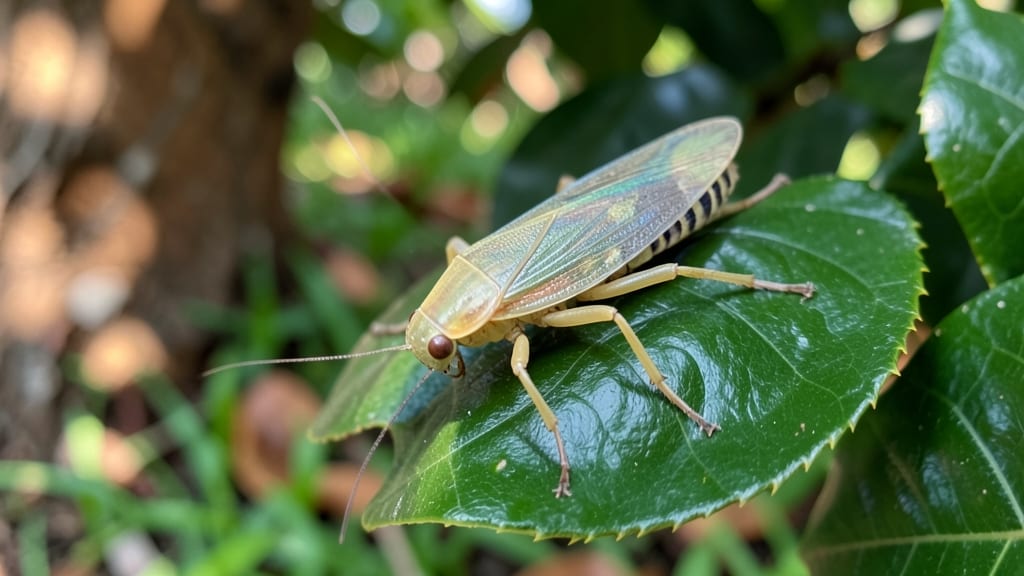
Your mango tree’s glossy leaves aren’t just for show—they’re a buffet for pests that can strip fruit before it ripens. 🌿 I’ve watched fruit flies, mealybugs, and scale insects turn a promising harvest into a sad, shriveled mess, but there’s a way to fight back without harsh chemicals.
The key is spotting the damage early and using targeted natural controls that actually work. Start with a flashlight and a magnifying glass—smaller insects hide on the undersides of leaves or in leaf axils. Look for sticky residue (aphids), white cottony patches (mealybugs), or tiny black specks (scale).
Once you identify the culprit, you’ll know whether to blast them with water (soft-bodied pests) or apply neem oil (hardier insects). My trees stayed productive after switching to this method last season. By the time you’re done, your mangoes will be plump, unmarked, and ready to pick.
The secret isn’t fancy tools—it’s knowing what to look for and acting fast. Even stubborn infestations respond when you combine physical removal with organic sprays at the right time. Works for home orchards, container-grown trees, and even urban patios. Let’s get those pests under control before they ruin your harvest.
📚 In This Guide
- What you need
- Instructions
- Tips and common mistakes
- Wrapping up and next steps
What you need
- ● Hand lens or magnifying glass (10x magnification) – For closely inspecting insects and damage up close.
- ● Pruning shears (sterilized, sharp) – To trim infested branches safely (1 pair).
- ● Gloves (nitrile or leather) – Protects hands from sap, thorns, and pests (1 pair).
- ● Spray bottle (16 oz) – For applying homemade insecticides or neem oil solutions.
- ● Neem oil (100% pure, cold-pressed) – 16 oz bottle (dilute with water for spraying).
- ● Hose with adjustable nozzle – For rinsing off insects or applying diluted solutions.
- ● Yellow sticky traps (5–10 traps) – To monitor and catch flying insects like fruit flies.
- ○ Labeling tags & marker – To mark treated branches or areas (optional but helpful).
- ● Insect identification guidebook or app (e.g., iNaturalist) – For double-checking pest IDs.
- ● Diatomaceous earth (food-grade) – Sprinkle lightly around the tree base to deter crawling pests.
- ● Beneficial nematodes – Targets soil-dwelling larvae (e.g., for root-knot nematodes).
- ● Reflective tape or aluminum foil strips – Deters fruit flies and other flying insects.
- ● Pest-resistant mango varieties (if replanting) – Ask local nurseries for varieties like ‘Keitt’ or ‘Cogshall’.
Step-by-Step guide to identifying and controlling mango tree pests
Here's how I tackle common mango tree pests naturally—no harsh chemicals needed.
🐜 Step 1: Inspect Leaves and Fruit for Early Signs
Start by examining every leaf and fruit on your tree, focusing on the undersides of leaves where pests hide. Look for tiny holes, sticky residue, or chewed edges—these are classic signs of infestation. I use a 10x magnifying glass to spot early damage, especially on young leaves where pests first attack. Check the trunk and branches too, since some insects like scale hide in crevices.
Pay attention to new growth first—this is where pests often strike. If you see tiny white webs between leaves, that's likely spider mites. For black sooty mold on leaves, that means sap-sucking insects like mealybugs or aphids are feeding nearby. I check my trees every 3-4 days during warm months when pests are most active.
🌿 Step 2: Identify the Pest and Assess Damage
Common mango tree pests include aphids, mealybugs, fruit flies, and scale insects. Aphids cluster on new shoots and leave a sticky residue, while mealybugs appear as cottony white masses at leaf joints. Fruit flies lay eggs in ripening fruit, causing small holes and rot. Scale insects look like brown bumps on branches and stems.
To confirm, I gently scrape a small area with my fingernail. If a white, waxy substance appears, it's mealybugs. For scale, a brown shell will remain after scraping. Note the location and severity—light infestations can often be controlled with simple remedies, while heavy damage may require more aggressive action.
💧 Step 3: Apply Natural Remedies Based on Pest Type
For aphids and mealybugs, I spray a soapy water solution (1 tablespoon mild dish soap per gallon of water) directly on infested areas. Reapply every 5-7 days until pests disappear. For fruit flies, I place red wine traps (a bottle filled with red wine and a drop of dish soap) near the tree—flies are attracted to the wine and drown. Replace traps every 2 weeks for best results.
Scale insects respond well to neem oil spray (1 tablespoon neem oil + 1 teaspoon mild soap per gallon of water). Spray thoroughly, covering all sides of leaves and branches, and repeat every 10 days for 3 weeks. Always apply remedies early in the morning or late afternoon to avoid harming beneficial insects like ladybugs.
✂️ Step 4: Prune and Clean Infested Areas
Remove heavily damaged leaves, fruit, and branches—don’t leave them on the ground. Burn or bag infested plant debris to prevent pests from returning. I prune at a 45-degree angle just above a leaf node to encourage healthy regrowth. Sterilize pruners with rubbing alcohol between cuts to avoid spreading disease.
After pruning, I water the tree deeply to help it recover. Focus on root health—healthy roots produce stronger branches that pests struggle to infest. Mulch around the base with 2-3 inches of organic mulch to retain moisture and deter pests naturally.
☀️ Step 5: Prevent Future Infestations
Encourage beneficial insects like ladybugs and lacewings by planting marigolds or dill nearby. These predators feed on pests and keep populations in check. I also rotate natural sprays (like neem oil and soapy water) to prevent pests from building resistance.
Keep your mango tree well-watered but not soggy—stressed trees attract more pests. I check the soil every 2 weeks during dry spells and adjust watering as needed. A balanced fertilizer (like 10-10-10) applied every 3 months ensures strong, pest-resistant growth.
Tips & tricks for managing mango tree pests
These practical strategies will help you keep your mango tree thriving without harsh chemicals.
Timing is Everything: In Step 1, when you're inspecting your tree every 3-4 days, focus on the undersides of leaves first—this is where pests hide and start their damage. I've found that early morning inspections work best because dew can help reveal tiny webs or sticky residue more clearly. The key is consistency: pests multiply quickly, so catching them early makes all the difference.
Pest Identification Shortcuts: When you're trying to identify pests in Step 2, remember this quick test: gently scrape a leaf with your fingernail. Mealybugs leave behind a white, waxy residue, while scale insects reveal a brown shell. For aphids, look for clusters on new growth that resemble tiny green balls. This simple test saves time and helps you target treatments more effectively.
Application Technique: In Step 3, when applying your soapy water or neem oil sprays, use a fine mist setting on your sprayer to ensure thorough coverage. I've learned that focusing on the undersides of leaves and new growth is crucial—this is where pests hide and feed most actively. For scale insects, make sure to cover all sides of branches completely, as they often hide in crevices. Always spray early in the morning to avoid harming beneficial insects that are active during the day.
Pruning Best Practices: During Step 4, when pruning damaged areas, remember to sterilize your pruners with rubbing alcohol between cuts. This prevents spreading any diseases or pests to healthy parts of the tree. I also recommend pruning at a 45-degree angle just above a leaf node—this encourages better regrowth. After pruning, water deeply to help your tree recover and maintain its strength against future pest attacks.
Pro Tips for Mango Tree Insects
- These practical strategies will help you keep your mango tree thriving without harsh chemicals.
- Timing is Everything: In Step 1, when you're inspecting your tree every 3-4 days, focus on the undersides of leaves first—this is where pests hide and start their damage.
- Pest Identification Shortcuts: When you're trying to identify pests in Step 2, remember this quick test: gently scrape a leaf with your fingernail.
Frequently asked questions
Got questions about mango tree insects? You’re not alone! Here are some of the most common concerns—plus clear, actionable answers to keep your tree thriving.
What are the most common insects that attack mango trees?
The top culprits include mango hoppers (sap-sucking pests), fruit flies (larvae infesting fruit), mealybugs (white, cottony clusters), and scale insects (sticky residue). Mango seed weevils also target unripe fruit. Early identification is key—check leaves, stems, and fruit regularly for signs like wilting, holes, or honeydew.
When is the best time to treat mango tree insects?
Timing matters! Treat before flowering (late winter/early spring) to prevent hoppers and scale, and again after harvest (summer) to stop fruit flies and weevils. Pro tip: Monitor weekly during peak seasons (spring/summer) for early intervention. Avoid sprays during flowering unless absolutely necessary—some pests are less active then.
Are there natural ways to control mango tree insects without chemicals?
Try these eco-friendly methods:
- Neem oil spray (1 tsp/quart water): Deters hoppers, mealybugs, and scale.
- Horticultural oil (dormant season): Smothers eggs and soft-bodied pests.
- Beneficial insects: Ladybugs (eat aphids) and parasitic wasps (target fruit flies).
- DIY traps: Fermented fruit baits (for fruit flies) or yellow sticky traps (for hoppers).
For severe infestations, prune and destroy heavily damaged branches to break pest cycles.
Can I still eat mangoes if insects are present?
It depends! External pests (like fruit flies or weevils) may leave tunnels or damage, but the fruit is safe to eat if the skin is intact. Internal infestations (e.g., larvae) mean discard the fruit. Always wash mangoes thoroughly before eating. Prevention tip: Harvest fruit promptly when ripe to avoid attracting pests.
What should I do if my mango tree keeps getting reinfested?
Reinfestations often mean the root cause isn’t addressed. Try this:
- Improve tree health: Ensure proper watering (deep but infrequent), balanced fertilizer (high potassium), and pruning for airflow.
- Rotate treatments: Pests build resistance—alternate neem oil, insecticidal soap, and biological controls.
- Check soil: Overwatering or poor drainage attracts fungus gnats. Amend soil with compost for resilience.
- Isolate the tree if nearby trees are infested to prevent spread.
If all else fails, consult a local arborist for targeted solutions.
Wrapping up and next steps
Protecting your mango tree from pests doesn’t have to be a daunting task—just stay vigilant and proactive! 🌿 By identifying common insects like aphids, fruit flies, and scale early, and using natural remedies like neem oil or beneficial predators, you can keep your tree thriving. Remember: prevention is key!
Ready to take action? Start with a quick inspection of your tree today—remove any visible pests, apply organic treatments, and monitor for improvements. Your delicious mango harvest is worth the effort! 🍈