
Pruning
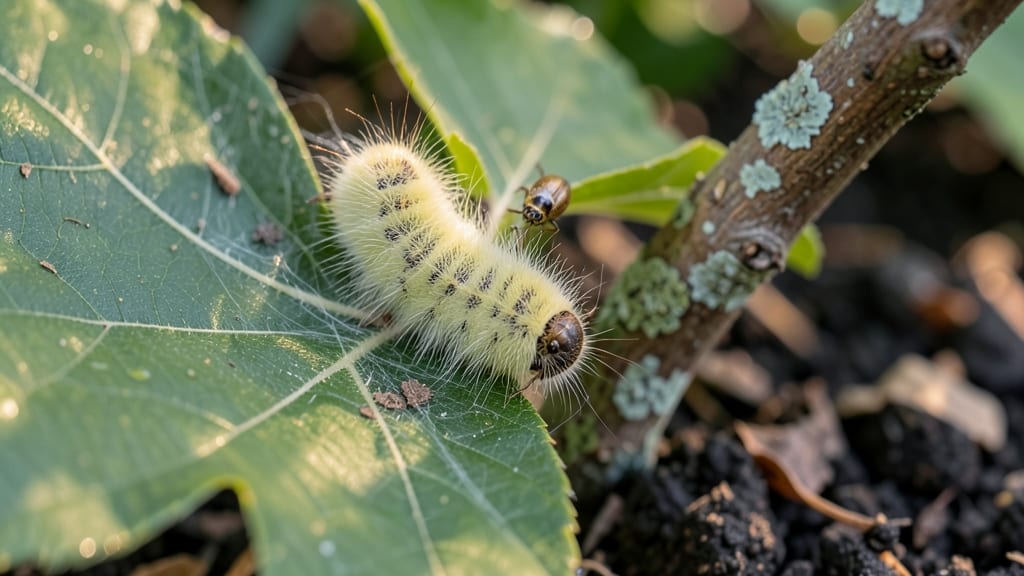
Mulberry trees get hit with insects that can turn lush leaves into skeleton branches—but the right approach keeps your fruit safe and the tree thriving. 🌿 I’ve battled everything from silk worms to scale insects, and the key is acting fast with targeted, natural solutions before the damage spreads.
The worst offenders aren’t always obvious: silk moth caterpillars chew through leaves, leaving fine webbing, while scale insects cluster on branches like tiny brown bumps.
Both can weaken the tree if ignored, but the good news? Neem oil and insecticidal soap work on most of these pests without harming fruit—just spray in the evening when bees are less active.
By the time you see the first signs—yellowing leaves, sticky residue, or chewed foliage—a single treatment can stop the spread. The secret is consistency: check the undersides of leaves weekly during peak season (late spring to early summer) and treat at the first hint of trouble.
Works for both young trees and mature fruit-bearing varieties, and the methods adapt to your climate—drier regions need less frequent watering before treatments, while humid areas may require extra vigilance against fungal hitchhikers.
Root Causes Of Mulberry Tree Pests
Mulberry trees, with their lush foliage and sweet berries, can become a buffet for unwanted guests—pests that thrive under specific conditions. Understanding why these insects target your mulberry tree is the first step in managing them effectively.
Below, we break down the key reasons these critters show up, from environmental factors to tree health.
A mulberry tree in poor health is like an open invitation for insects. When trees struggle, their natural defenses weaken, making them easier targets. Here’s why:
- Nutrient Deficiencies – Lack of essential nutrients (like nitrogen, phosphorus, or potassium) stresses the tree, reducing its ability to produce protective compounds.
Insects like mulberry pyralid moths or scale insects detect this weakness and move in. - Water Stress – Overwatering or drought weakens the tree’s cell structure, making it harder to fight off pests. Aphids and spider mites thrive in stressed trees because they can’t produce enough resin to repel them. - Disease Presence – Fungal infections (like powdery mildew) or bacterial diseases create entry points for insects.
For example, mulberry leaf roller caterpillars prefer trees already compromised by disease.
Actionable Fix: Regularly fertilize with a balanced 10-10-10 NPK formula, ensure proper drainage, and prune diseased branches promptly.
Mulberry trees with dense, unpruned foliage create perfect hiding spots for insects. Thick branches trap moisture, providing ideal conditions for pests like mulberry sawfly larvae or whiteflies.
- Reduced Airflow – Stagnant air and high humidity encourage fungal growth, which attracts insects. Sawflies, for instance, lay eggs in dense, damp leaves. - Shade & Moisture Retention – Overgrown branches block sunlight, keeping leaves damp longer.
This attracts soft-bodied insects like mealybugs, which thrive in humid microclimates. - Easy Access for Egg-Laying – Insects like the mulberry fruit fly prefer to lay eggs in sheltered, leafy areas where predators can’t reach them.
Actionable Fix: Prune your mulberry tree 2-3 times a year (spring, summer, and early fall) to improve airflow and sunlight exposure.
Insect populations boom or crash based on seasonal changes and local climate. Mulberry trees are especially vulnerable during:
- Spring Emergence – Warm temperatures trigger aphid and scale insect outbreaks as they seek fresh sap. Mulberry trees, just waking from dormancy, are particularly susceptible. - Summer Heat & Drought – Spider mites flourish in dry, hot conditions because their natural predators (like ladybugs) struggle to survive.
Mulberry leaves become their primary food source. - Fall Moisture Surges – Increased rainfall in late summer/early fall attracts fungus gnats and leaf miners, which lay eggs in damp mulberry foliage.
Actionable Fix: Monitor your tree closely during spring and fall transitions, and use row covers or neem oil sprays as a preventive measure.
In a healthy ecosystem, beneficial insects (like ladybugs, lacewings, and parasitic wasps) keep pest populations in check. But when this balance is disrupted:
- Pesticide Overuse – Chemical sprays kill both harmful and helpful insects, leaving mulberry trees defenseless.
For example, pyrethrin-based pesticides can wipe out predatory mites, allowing spider mites to explode in numbers. - Monoculture Planting – Growing only mulberry trees (without companion plants like marigolds or basil) reduces biodiversity, giving pests fewer natural enemies. - Urbanization & Habitat Loss – Fewer wildflower meadows or hedgerows mean fewer pollinators and predator insects to control mulberry pests naturally.
Actionable Fix: Introduce pollinator-friendly plants near your mulberry tree and avoid broad-spectrum pesticides. Instead, use targeted organic sprays like kaolin clay or horticultural oil.
Pro Tip: 💡 Early detection is key! Regularly inspect your mulberry tree’s undersides of leaves, new growth, and fruit clusters—these are hotspots for early infestations.
Natural Ways to Control Tree Pests
When mulberry tree insects 🐜🍃 start causing trouble, acting early with targeted, eco-friendly solutions can save your tree—and your harvest. Below is a cause-to-fix guide tailored to common pests, along with prevention tips to keep your tree thriving without harsh chemicals.
Signs: Jagged leaf edges, tiny holes, frass (sawdust-like droppings), and stunted growth.
How to Fix It:
- 🍳 Handpick Larvae & Adults Inspect leaves early in the morning (pests are sluggish). Drop them into soapy water to kill them instantly.
- Pro Tip: 💡 Use a flashlight at dusk—they’re attracted to light and easier to spot.
- 👨🍳 Neem Oil Spray (Organic Barrier) Mix 1 tbsp neem oil + 1 tsp mild soap + 1 quart water. Spray every 7–10 days during outbreaks.
Avoid spraying when bees are active (early morning or late evening works best). - Caution: 🌡️ Test on a small leaf first—neem can burn sensitive varieties.
- 🥘 Kaolin Clay Treatment Apply kaolin clay (Surround WP) as a physical barrier. It coats leaves, making them unappetizing to weevils. Reapply after rain.
Signs: Sticky honeydew, curled leaves, ants (they farm aphids!), and sooty mold (black fungus).
How to Fix It:
- 🔪 Blast Off with Water Use a strong hose spray to dislodge aphids from undersides of leaves. Repeat 2–3 times/week during infestations.
- 🍳 Homemade Soap Spray Combine 1 tbsp castile soap + 1 quart water. Spray directly on aphids (avoid overspraying flowers). Reapply every 3–5 days.
- Pro Tip: ✨ Add 1 tsp garlic juice to repel them naturally.
- 🐝 Introduce Beneficial Insects Ladybugs, lacewings, and parasitic wasps love aphids. Buy them online or attract them with dill or fennel plants nearby.
- 🔥 Prune & Destroy Infested Growth Trim heavily infested branches and dispose of them in sealed bags (not compost). This stops the cycle.
Signs: Holes in fruit, sawdust-like frass inside berries, and exit holes in bark.
How to Fix It:
- 🥘 Pheromone Traps (Early Detection) Hang fruit fly/moth traps near the tree in spring. This catches adults before they lay eggs.
- Where to Buy: 🎯 Check garden centers for Codling Moth traps (works for borers too).
- 🍳 Diatomaceous Earth (Food-Grade DE) Sprinkle food-grade DE around the base of the tree and on fruit clusters. It dehydrates larvae. Reapply after rain.
- Caution: ⏰ Avoid windy days—DE can drift and harm beneficial insects.
- 🔪 Bag Young Fruit Place breathable bags (like fruit netting) over clusters when they’re small. This blocks adult moths from laying eggs inside.
- 💡 Healthy Tree = Strong Defense
- Mulch with wood chips (3–4 inches deep) to deter crawling pests.
- Water deeply but infrequently (overwatering attracts fungus gnats and aphids).
- 🌡️ Encourage Natural Predators Plant companion plants like marigolds, basil, or mint near the tree. They repel pests and attract helpful bugs.
- 🔥 Seasonal Maintenance
- Fall: Rake up and compost fallen leaves (many pests overwinter there).
- Spring: Prune to improve airflow—pests love dense, shaded areas.
- 🎯 Monitor Regularly Check leaf undersides, fruit, and bark weekly during growing season. Early action = less damage!
Remember: 🌱 Patience is key! Some treatments take 2–3 weeks to show results. Combine methods for the best defense. If pests persist, consult a local arborist for a tailored plan.
Frequently asked questions
What are the most common mulberry tree pests I should watch for?
Look for mulberry pyralid moth caterpillars (they create silk webbing), scale insects (tiny brown bumps on branches), and aphids (sticky honeydew on leaves). Spider mites also appear as fine webbing in dry conditions. Check leaf undersides and new growth weekly during spring and summer.
Can I use chemical pesticides safely on mulberry trees without harming the fruit?
Most conventional pesticides can contaminate mulberry fruit, making it unsafe to eat. Instead, use neem oil, insecticidal soap, or kaolin clay—these are fruit-safe when applied correctly. Always follow label instructions and avoid spraying during flowering or fruiting periods.
How do I know if my mulberry tree is stressed enough to attract pests?
Stressed trees show yellowing leaves, sparse foliage, or slow growth. Check for nutrient deficiencies (like yellowing between leaf veins) or water stress (wilting despite moist soil). Pests like aphids and scale target weakened trees, so maintaining balanced soil and proper watering (deep but infrequent) helps prevent infestations.
What’s the best time of day to treat mulberry tree pests?
Apply sprays like neem oil or insecticidal soap in the early morning or late evening when bees and beneficial insects are less active. Avoid midday heat, which can burn leaves. For handpicking pests, go when they’re sluggish—right after sunrise works best.
Will pruning help prevent mulberry tree insect problems?
Yes! Prune 2-3 times a year to improve airflow and sunlight, which deters pests like sawflies and whiteflies. Remove dead or diseased branches first, then thin out crowded areas. Prune in late winter/early spring and again after fruiting to keep the tree healthy and less attractive to insects.