
Pruning
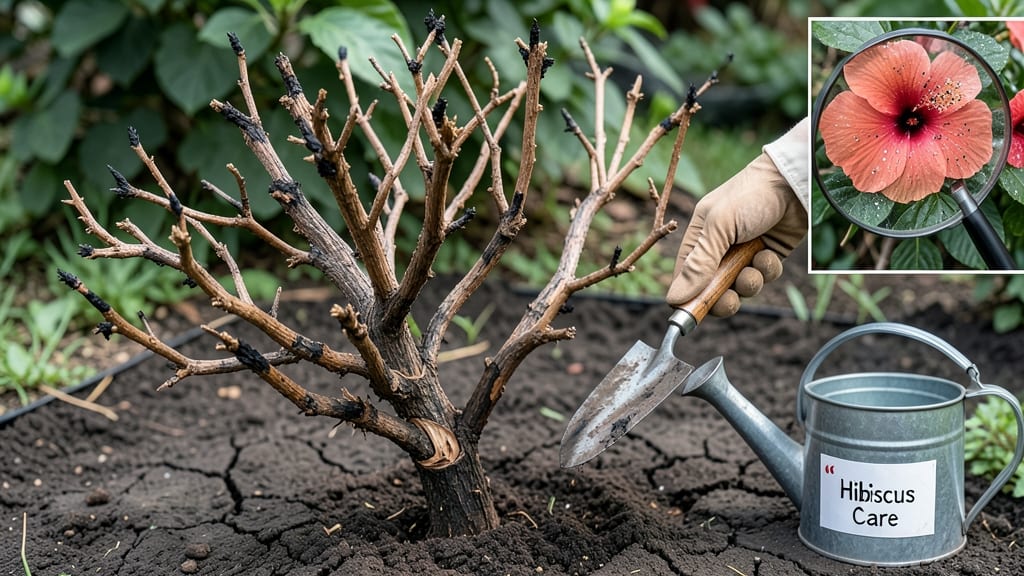
My hibiscus tree looks dead, but don’t give up on it just yet. 🌿 I’ve nursed back trees that looked completely lifeless—sometimes it’s just a matter of timing, water, or a little strategic pruning. The first step is identifying why it’s struggling: is it thirsty, drowning, or fighting off pests? Most gardeners overlook the simplest checks, like soil moisture or hidden damage, that make all the difference.
Start by examining the leaves and stems: crispy brown edges mean underwatering, yellowing leaves could signal overwatering, and blackened spots often point to fungal issues. Check the soil—if it’s bone dry two inches down, water deeply until it drains from the bottom.
If it’s soggy, hold off and let it dry out before acting. Pests like spider mites or scale insects also drain a tree’s energy, so inspect the undersides of leaves with a magnifying glass.
Once you’ve ruled out water and pests, focus on pruning. Cut back any dead branches at the base, then trim back healthy growth by about one-third to encourage new shoots. This isn’t just about aesthetics—it forces the tree to redirect energy into recovery.
With consistent care, you’ll see fresh green leaves within 4-6 weeks, and those iconic hibiscus blooms will return by summer.
If the tree still refuses to bounce back after a month of targeted care, the roots might be compromised. That’s when it’s time to dig deeper—literally—and check for rot or root damage.
But don’t panic: even severely stressed hibiscus trees can stage a comeback with the right intervention. Here’s how to diagnose and fix each common issue step by step.
Root Causes Behind Wilted Hibiscus
When your vibrant hibiscus tree suddenly looks like it’s kicked the bucket—droopy leaves, bare branches, or a complete lack of color—it’s usually not a random act of nature. Behind every "dead" hibiscus is a specific trigger, often tied to environmental stress, improper care, or hidden health issues.
Let’s break down the most common culprits and why they turn your tropical beauty into a sad, lifeless shadow.
Hibiscus trees thrive in warm, stable climates (USDA Zones 8-11) and hate sudden temperature swings. Here’s how heat or cold can sabotage your plant:
- Frost or Freezing Temps:
Hibiscus leaves and stems contain high water content, making them highly susceptible to cold damage. When temperatures drop below 32°F (0°C), ice crystals form in the cells, rupturing them like a frozen balloon. This causes:
- Brown, crispy leaf edges (a classic frostbite sign)
- Blackened stems (severe damage)
- Premature leaf drop (the tree "giving up")
Pro Tip: If your hibiscus is in a cooler climate, mulch heavily in winter and cover it with burlap or frost cloth when temps dip below 40°F (4°C). 🌡️
- Heatwave or Drought Stress:
While hibiscus loves warmth, intense heat without water leads to transpiration shock—where the plant loses more water than it can absorb. Signs include:
- Leaves curling inward (a survival tactic to reduce water loss)
- Yellowing leaves (chlorosis from nutrient uptake failure)
- Stems becoming woody and brittle (severe dehydration)
Science Note: Hibiscus roots only absorb water through their tips. If the soil dries out completely, these tips die back, reducing the plant’s ability to recover. Deep watering (1-2 inches per week) is critical during heatwaves. 💦
Hibiscus trees are thirsty but hate soggy feet. Watering issues are the #1 reason they "die" when they’re actually stressed, not dead.
- Overwatering (Root Rot Risk):
Hibiscus roots need oxygen, and waterlogged soil suffocates them. When roots rot:
- Fungal pathogens (like Phytophthora) invade, blocking nutrient transport.
- Leaves turn yellow with brown edges (a classic root rot symptom).
- The tree may lean or fall over as roots decay.
Fix It: Check soil moisture 1 inch below the surface—if it’s damp, wait. Improve drainage with perlite or sand and ensure pots have drainage holes. ⚠️
- Underwatering (Physiological Drought):
Even with regular watering, shallow roots (common in container-grown hibiscus) can’t reach deep moisture. Symptoms:
- Leaves crisp up and fall (like paper drying out).
- New growth stops entirely.
- Stems shrink and darken.
Pro Tip: Use a moisture meter or the "finger test"—stick your finger 2-3 inches into the soil. If it’s dry, water until it drains from the bottom. 🌱
Hibiscus trees are sun worshippers, but too much or too little light can fry them—or starve them.
- Sunburn (Excessive Direct Sun):
While hibiscus loves 6+ hours of sunlight, intense afternoon sun (especially in hot climates) can cause:
- White or bleached patches on leaves (from UV damage).
- Leaves curling upward (like a turtle shell).
- Premature leaf drop.
Solution: Provide light shade (30-50%) during peak hours (11 AM–3 PM) if your hibiscus is in a hot, dry climate. A sheer curtain or lattice works. 🏖️
- Leggy, Weak Growth (Insufficient Light):
Without enough light, hibiscus stretches toward any available sun, leading to:
- Long, spindly stems with few leaves.
- Pale, yellow-green leaves (chlorosis).
- No flowers (since blooming requires energy from sunlight).
Fix It: Move potted hibiscus to a south- or west-facing window or supplement with a grow light (12-14 hours/day). 💡
Hibiscus trees are heavy feeders, and poor soil health can silently kill them. Here’s what to watch for:
| Deficiency/Toxicity | Visual Clues | Cause |
|---|---|---|
| Nitrogen (N) Deficiency | Old leaves turn pale yellow (starting at the tips), stunted growth. | Poor soil or over-pruning without fertilizer. |
| Potassium (K) Deficiency | Leaves develop brown edges with yellowing between veins (like a "scorched" look). | Common in sandy or acidic soils; overwatering flushes out K. |
| Magnesium (Mg) Deficiency | Interveinal yellowing (chlorosis) between veins, starting on older leaves. | Acidic soil or excessive calcium buildup. |
| Iron (Fe) Deficiency | New leaves stay completely white or pale yellow (no green). | Alkaline soil (pH >7.0) locks out iron, even if it’s present. |
| Fluoride or Salt Toxicity | Brown, crispy leaf tips; leaf drop; stunted growth. | Overuse of
Reviving Your Hibiscus Tree Step-by-StepIf your hibiscus tree looks like it’s thrown in the towel, don’t give up yet! 🌱 With the right care, you can often bring it back to life. Below are practical, step-by-step solutions tailored to the most common causes of a struggling hibiscus. Follow these fixes, and your tree might just bounce back with vibrant blooms in no time. --- If your hibiscus is wilting despite soggy soil, root rot could be the culprit. Too much moisture suffocates roots, cutting off nutrients and oxygen. #### 🔧 How to Fix It 1. Stop Watering Immediately – Let the soil dry out completely before watering again. 2. Check the Roots – Gently dig around the base (1-2 inches deep) to inspect for: - Black, mushy roots (🚨 rot). - Healthy roots should be firm and white or tan. 3. Trim the Rotten Roots – Use sterilized pruning shears to cut away any soft, dark roots. 4. Repot in Fresh Soil – Move the plant to a well-draining pot (if in a container) or amend garden soil with perlite or sand (20-30%) to improve drainage. 5. Adjust Your Watering Routine – Water only when the top 2 inches of soil are dry (stick your finger in to test!). #### 💡 Prevention Tips - Use pots with drainage holes—no exceptions! - Water deeply but less frequently (better to underwater than overwater). - Avoid placing hibiscus in shallow saucers that trap excess moisture. --- Brown, crispy leaves or a drooping trunk? Your hibiscus might be thirsty but too proud to ask. Hibiscus loves moisture but hates soggy feet—balance is key. #### 💦 How to Fix It 1. Give It a Deep Drink – Water until it pours out the drainage holes (if potted). 2. Mulch the Base – Apply 2-3 inches of organic mulch (like bark or straw) to retain moisture. 3. Move It to Partial Shade – If outdoors, shield it from hot afternoon sun for a few weeks while it recovers. 4. Fertilize Lightly – Use a balanced, water-soluble fertilizer (10-10-10) to help it bounce back. #### 🌡️ Prevention Tips - Water in the morning to reduce evaporation. - Group plants together to create a microclimate with higher humidity. - Monitor soil moisture—hibiscus prefers consistently moist (not soggy) soil. --- If your hibiscus suddenly drops leaves or looks leggy and weak, cold stress might be the villain. Hibiscus is tropical—it hates temps below 50°F (10°C). #### ❄️ How to Fix It 1. Move It Indoors (If Possible) – Bring potted hibiscus inside near a sunny window or under grow lights. 2. Prune Damaged Growth – Cut back brown, mushy, or blackened stems with clean shears. 3. Warm Up the Roots – If in the ground, cover the base with burlap or frost cloth at night. 4. Avoid Fertilizer Until Warm – Wait until temps stay above 60°F (15°C) before feeding. #### ✨ Prevention Tips - Use frost cloth or row covers in fall/winter if temps dip. - Choose cold-hardy varieties (like Hibiscus moscheutos) if you live in cooler zones. - Never water before a freeze—wet leaves can crack from ice. Yellowing leaves, sticky residue, or tiny bugs? Pests like aphids, spider mites, or scale can drain your hibiscus of life. #### 🐜 How to Fix It 1. Inspect Leaves & Stems – Look for: - Webbing (spider mites). - Sticky sap (aphids). - White fluffy spots (mealybugs). 2. Blast Off Pests – - Neem oil spray (mix 1 tbsp neem oil + 1 tsp mild soap + 1 quart water; spray every 5-7 days). - Hose them off with water (for aphids). 3. Prune Infested Areas – Cut and dispose of heavily damaged leaves/stems. 4. Encourage Beneficial Insects – Ladybugs and lacewings love eating hibiscus pests! #### 🎯 Prevention Tips - Spray neem oil preventatively every 2-3 weeks. - Keep hibiscus healthy—stressed plants attract pests! - Avoid over-fertilizing with nitrogen (it attracts soft-bodied pests). Yellow leaves, slow growth, or weak stems? Your hibiscus might be starving for nutrients. #### 📊 How to Fix It 1. Test Your Soil – A simple DIY soil test kit (or send a sample to a local extension office) can reveal deficiencies. 2. Fertilize Smartly – - For yellow lower leaves (magnesium deficiency): Sprinkle Epsom salt (1 tbsp per gallon of water) every 2 weeks. - For pale green leaves (nitrogen deficiency): Use a balanced fertilizer (20-20-20) every 4-6 weeks. - For weak stems (potassium deficiency): Try a banana peel tea (steep peels in water for a week, then use as fertilizer). 3. Improve Soil Quality – Mix in compost or worm castings for a slow-release nutrient boost. #### 💪 Prevention Tips - Fertilize in growing season (spring to early fall). - Avoid over-fertilizing—more isn’t better! - Use slow-release granules for steady nutrition. If your hibiscus is beyond saving (completely blackened, no new growth), don’t mourn—propagate a new one! #### 🌱 How to Propagate 1. Take a Cutting – Snip a 4-6 inch stem just below a leaf node. 2. Remove Lower Leaves – Strip leaves from the bottom half to expose the node. 3. Root in Water – Place the cutting in water with a rooting hormone (optional but helps). 4. Wait & Watch – Roots should appear in 2-4 weeks. Once rooted, plant in fresh soil. --- Reviving a hibiscus takes patience and observation, but with these fixes, your tree can make a stunning comeback. Start with one solution at a time—don’t overwhelm it—and keep an eye on its progress. Before you know it, those glorious hibiscus blooms will be back, brighter than ever! 🌺✨ Which issue does your hibiscus have? Try the matching fix and share your success story! Frequently asked questions
1
Why does my hibiscus suddenly drop all its leaves?Leaf drop is usually a stress signal—common triggers include temperature swings (below 50°F/10°C), sudden drought, or overwatering. Check the soil moisture first: if it's soggy, you're overwatering; if bone dry, your hibiscus is thirsty. Cold stress causes leaves to blacken and fall, while pests like spider mites create tiny holes that weaken leaves until they drop.
2
How can I tell if my hibiscus is dead or just dormant?Check for green growth at the base—if you see fresh buds or stems, it's alive! Even if branches look bare, roots may still be active. For container plants, gently tug on stems: if they're flexible, they're not dead. In winter, some varieties naturally shed leaves, but stems should remain firm. If everything's completely brown and brittle, it's likely dead.
3
Can I save a hibiscus with blackened stems?Yes, but act fast! Blackened stems indicate fungal infection or frost damage. Cut back all blackened growth 1-2 inches below the damage using sterilized shears. If roots are still white and firm, repot in fresh soil and protect from future cold. For severe cases, take healthy cuttings (4-6 inches) and propagate them in water with rooting hormone. Healthy roots can regrow from remaining live tissue.
4
Why won't my hibiscus bloom after recovery?Hibiscus needs 6+ hours of sunlight daily and proper nutrients to bloom. Check your light exposure first—move it to a sunnier spot if needed. Also verify your fertilizer: use a low-nitrogen, high-phosphorus formula (like 5-10-5) in spring/summer. Remove any spent blooms promptly to encourage new flowers. Stress from recovery can delay blooming by 4-6 weeks, but consistent care brings them back.
5
Is it better to prune dead branches now or wait?Prune dead or diseased branches immediately—they drain energy from healthy parts. Wait until spring to do structural pruning (removing 1/3 of growth) for best results. Always use sterilized tools and cut at a 45-degree angle just above a leaf node. Never prune in fall—new growth won't harden off before winter. |