
Trees
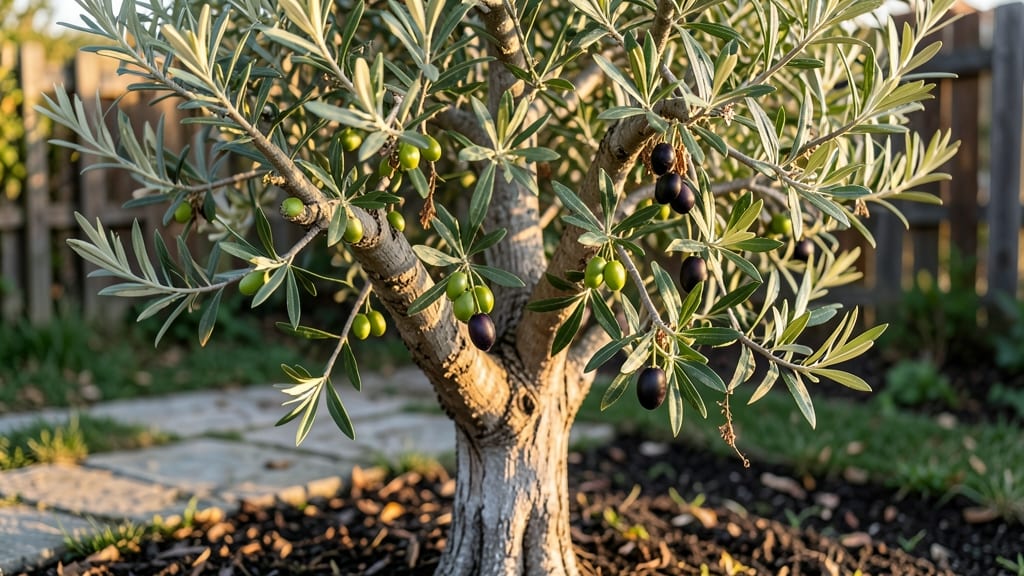
Understanding the olive tree fruit stages is the key to harvesting olives that are perfectly ripe for your table or oil production.
Picture this: your 🫒 olive tree bursts into white blossoms in spring, but what happens next? Without knowing the exact milestones—from tiny green fruits to deep purple-black olives—you might miss the best harvest window.
That first flush of color isn’t the only clue; size, texture, and even taste change dramatically over months.
In this guide, I’ll walk you through each stage of olive development, month by month, so you can spot the signs of ripeness and avoid common mistakes like harvesting too early or too late.
Whether you’re growing olives for culinary use or just love watching your tree transform, these insights will help you get the most from your Mediterranean climate-preferred tree.
You’ll learn how to time your harvest for peak flavor, how environmental factors like water and temperature play a role, and simple tricks to encourage healthy fruit production year after year. Let’s dive into the stages that turn blossoms into the olives you’ve been waiting for.
Olive tree fruit development stages: a month-by-month breakdown
Understanding the olive tree fruit stages helps you anticipate when your tree will bear fruit and how to care for it during each phase. Olives develop over 6-12 months, with timing varying by variety and climate.
In Mediterranean climates, fruit typically starts in March-April and ripens by October-December. Even in warmer zones like USDA 9-10, the process follows a similar seasonal rhythm.
For example, Manzanillo olives ripen earlier than Arbequina varieties, which stay green longer. In cooler zones (USDA 8), fruit may take 2-3 weeks longer to mature. Tracking these stages ensures you harvest at peak flavor and oil quality. Let’s break down each month’s key changes and care tips.
In March-April, olive trees burst into white blossoms, marking the start of fruit development. These tiny buds will grow into olives over the next 6-9 months.
During this phase, focus on light pruning to improve airflow and reduce disease risk. Avoid heavy fertilization, as it can promote leafy growth over fruit.
By May, the olive pits harden, a critical stage for determining final size. This is when you’ll notice fruit growing to about pea size.
Reduce watering slightly to prevent fruit drop, but keep soil moist. Apply a balanced fertilizer (10-10-10) to support steady growth without overstimulating the tree.
June and July bring the most visible growth, with olives clustering like grapes. Their color shifts from pale to deep green, and you’ll see a noticeable increase in size.
This is peak fruit fly season, so install yellow sticky traps to monitor populations. Mulch around the base to retain moisture and regulate soil temperature.
As summer wanes in August, olives begin their color transformation, turning darker green or even purple. This shift signals increased oil content, making it a prime time to taste-test for ripeness.
Reduce irrigation further to concentrate flavors and prepare for harvest. Prune any dead or diseased branches to redirect energy to fruit production.
September is when olives reach <
How to identify olive ripeness: color, texture, and taste tests
Determining when your olive tree fruits are ready for harvest can feel tricky, but mastering a few simple tests makes all the difference. The color shift from green to black or purple is your first clue, but don't rely solely on appearance—texture and taste play equally important roles.
For table olives, you'll want that deep purple hue, while green olives stay firm and bright. Each variety ripens slightly differently, so understanding these cues ensures you pick at peak quality.
Harvesting too early means bitter, astringent olives that aren't ready for eating or oil production. Conversely, waiting too long risks overripe fruit that falls from the tree or develops mealy flesh. The ideal harvest window typically spans October through December, but this varies by climate zone and olive variety.
Paying attention to these visual and tactile signals helps you time your harvest perfectly for the best flavor and yield.
Olive Fruit Stages: Ripeness Guide
- Color: Bright green
- Texture: Very firm, hard pit
- Taste: Extremely bitter
- Best for: Curing into green table olives
- Color: Green with purple/black spots
- Texture: Slightly softer, pit still hard
- Taste: Less bitter, developing sweetness
- Best for: Transition phase (harvest carefully)
- Color: Deep purple/black
- Texture: Firm but yields to gentle squeeze
- Taste: Mild, sweet, or fruity notes
- Best for: Table olives, fresh eating, or oil
- Color: Dark brown or shriveled
- Texture: Soft, mealy flesh
- Taste: Bland or fermented
- Risk: Falls from tree naturally
Start by inspecting the olive color—green olives are unripe and best for curing, while black or purple indicates full ripeness for table use or oil extraction. But color alone isn't enough: gently squeeze an olive between your fingers.
A ripe olive should yield slightly but not feel mushy. If it's too firm, it's underripe; if it's soft, it's overripe. This texture test is crucial for avoiding bitter or bland harvests.
For the final verdict, taste is non-negotiable. A ripe olive should have a mild, sweet flavor with minimal bitterness. If it's overly astringent or harsh, it's not ready. Remember, variety matters: Arbequina olives ripen earlier and taste sweeter than Manzanillo, which stays green longer.
Adjust your expectations based on what you're growing—whether it's for olive oil or table olives.
Timing your harvest correctly also depends on your goal. For high-quality olive oil, harvest when olives are fully ripe (black/purple) for maximum oil yield and flavor complexity. For green table olives, pick them when still firm and bright green to preserve their signature tang.
Missing the window? Don't worry—most olives can be cured or processed, but fresh eating requires perfect ripeness.
Pro tip: Harvest on a cool morning after dew has evaporated to preserve quality. Use pruning shears to avoid damaging branches, and collect olives in breathable containers to prevent bruising.
If you're unsure, err on the side of slightly underripe—olives won't ripen further off the tree, but overripe ones can spoil quickly. With practice, you'll develop an eye (and a palate) for the perfect moment to harvest.