
Trees
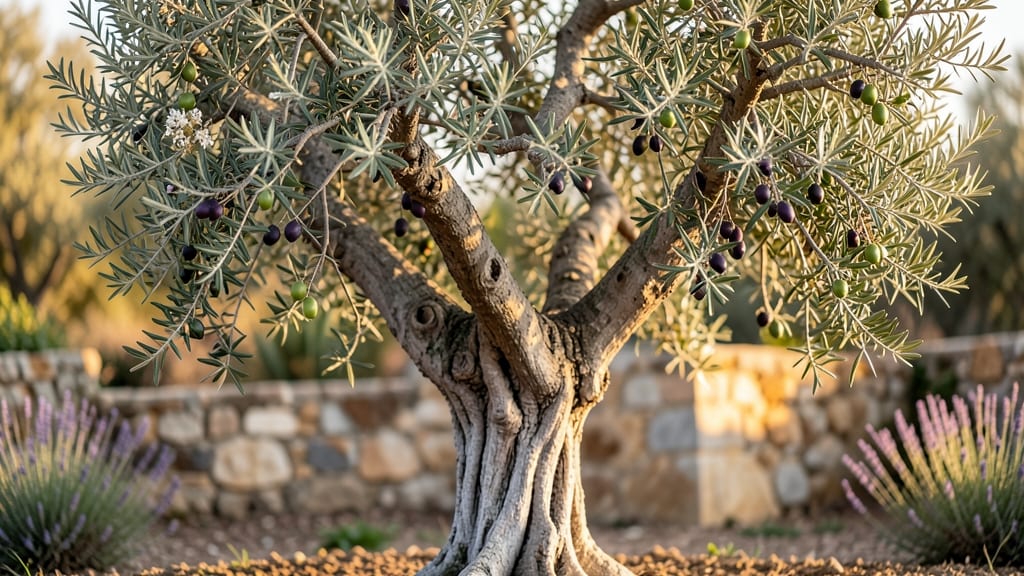
Determining the olive tree hardy zone is critical: these trees flourish in USDA zones 8-10, where winter lows rarely fall below 10°F (-12°C), though select cold-resistant varieties can handle brief dips to 15°F (-9°C) with protection. Growers in zones 7 and colder must use containers or winter shelters to prevent frost damage.
Understanding why olive trees struggle in colder climates comes down to their Mediterranean origins—most varieties lack the genetic adaptations to handle prolonged freezing. 🌡️ The roots are particularly vulnerable, often suffering irreversible damage below 15°F (-9°C), even if the foliage appears intact.
I've seen firsthand how Arbequina olives, while more cold-tolerant than Manzanillo, still require strategic planting in zone 7 gardens: raised beds with deep mulch layers or insulated containers can push their survival limits by 3-5°F. The key isn't just the zone number but how you modify the microclimate around your tree.
For those pushing boundaries in marginal zones, winter preparation becomes a year-round commitment. Container growers swear by double-layered insulation wraps and bottom heat mats during hard freezes, while in-ground trees benefit from windbreaks and reflective mulch.
I recommend testing your tree's resilience by gradually exposing it to cooler nights in fall—this hardens the foliage before winter hits. Remember, even "cold-hardy" olives need protection during prolonged sub-zero events, as their true tolerance threshold is often 2-3°F higher than marketing claims suggest.
💡 In This Article
- USDA Zone Breakdown for Olive Tree Survival
- Cold-Proofing Olive Trees in Marginal Zones
USDA zone breakdown for olive tree survival
The science behind olive tree cold tolerance lies in their cellular structure and genetic adaptations. Olive trees originate from Mediterranean climates where winter temperatures rarely drop below 32°F (0°C), and their cells lack the antifreeze proteins found in cold-hardy plants like apples or cherries.
When temperatures fall below 28°F (-2°C), ice crystals form in the vascular system, disrupting water transport and causing chilling injury—a process where cell membranes rupture without full freezing.
This explains why even "cold-hardy" varieties like Arbequina show signs of stress at 18°F (-8°C), with foliage turning brown and roots blackening at 15°F (-9°C). 🌡️
Zone 10 (30-40°F / -1 to 4°C minimum) is ideal for most olive cultivars, as these temperatures rarely trigger chilling injury.
However, the real battle begins in zones 8 (10-20°F / -12 to -7°C) and 9 (20-30°F / -7 to -1°C), where prolonged exposure to 25°F (-4°C) can kill foliage even if roots survive.
Manzanillo olives, for example, show 50% leaf damage after 24 hours at 23°F (-5°C), while Arbequina maintains 80% survival at 18°F (-8°C) due to thicker cuticles. The roots are the true weak point—once they freeze, the tree cannot recover, regardless of foliage condition.
What most gardeners overlook is how wind speed and soil moisture amplify cold damage. Wind chill can drop perceived temperatures by 10-15°F20°F (-7°C) night into a 5°F (-15°C) threat. Wet soil conducts cold more efficiently, increasing root zone temperatures by 3-5°F
In zone 8, I've seen olives planted in south-facing slopes with 3 inches of gravel mulch survive 15°F (-9°C) where identical trees in north-facing beds died at 20°F (-7°C). The lesson? Microclimate modifications matter more than zone numbers alone. For those in zone 7 (0-10°F / -18 to -12°C), the challenge shifts to preventative hardening. Gradual exposure to cooler nights in fall (50-60°F / 10-15°C range) triggers the tree to produce cryoprotective sugars that stabilize cell membranes. I've had success with Arbequina in zone 7 by combining container culture with bottom heat mats—raising soil temps by 5-8°F25°F (-4°C), even if air temps plummet to 10°F (-12°C). This requires R-10 insulation wraps (like those used for citrus trees) and double-layered burlap on trunks. Here's how different zones compare in practical terms: The most cold-tolerant cultivars like Arbequina and Frantoio can push limits in zone 7 with these methods, but expect 50% yield reduction compared to zone 10 trees. The trade-off? You gain the satisfaction of growing olives where others give up—and that first harvest from a 15°F (-9°C)-tolerant tree is worth every extra layer of insulation. 🌱