
Trees
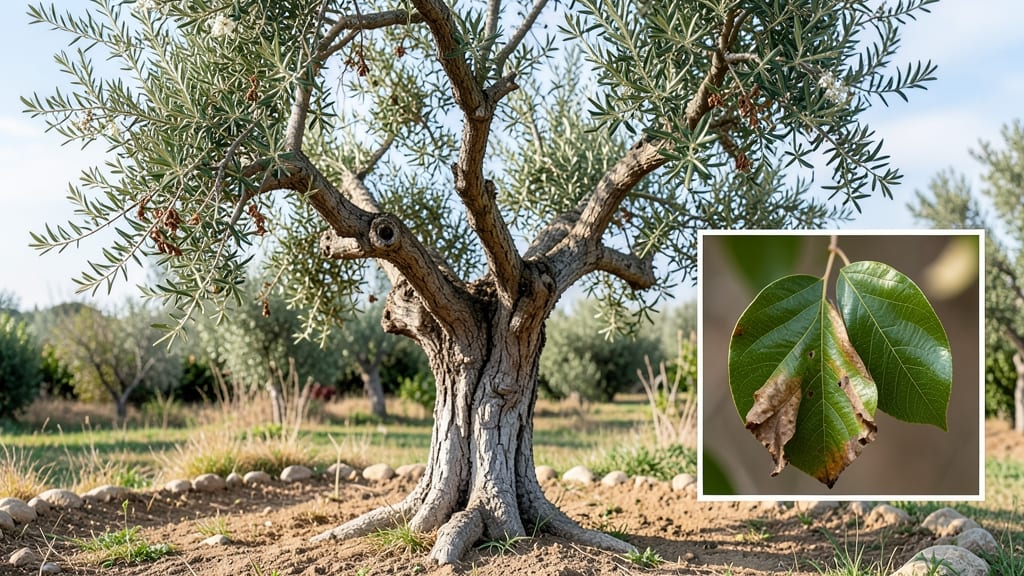
Your olive tree leaves going brown isn’t a death sentence—it’s a cry for help. 🌿 I’ve nursed back more olive trees than I can count, and the fix usually comes down to water, pests, or sunlight.
The key is diagnosing the why before jumping to solutions, because what looks like a watering problem might actually be spider mites or fungal stress. Start by checking the soil—if it’s bone-dry, underwatering’s the culprit. But if the ground’s soggy, you’re overwatering, and those roots are suffocating.
Then look closer: crispy edges mean thirst, while yellowing between veins points to pests or nutrient issues. Pruning dead branches now prevents the problem from spreading, and a good shake over a bucket can reveal tiny mites hiding on the undersides of leaves.
Within 2-4 weeks of adjusting care, you’ll see fresh green growth pushing out. The secret? Consistency—olive trees hate extremes, whether in water or temperature. Once you balance their needs, they bounce back faster than you’d expect, and those silvery leaves stay lush all season.
Works for container olives, in-ground trees, or even potted plants on patios. Let’s get those branches looking healthy again—no guesswork, just actionable steps.
Root Causes Behind Brown Olive Leaves
When your olive tree’s leaves start turning brown, it’s usually a cry for help from the roots—or something blocking them from doing their job. Understanding the why behind the browning is the first step to bringing those leaves back to life.
Let’s break down the most common culprits, backed by science, so you can diagnose and act fast.
Olive trees are drought-tolerant, but their leaves hate inconsistency. Brown edges or crispy leaves often signal underwatering, while yellowing or mushy leaves (followed by browning) mean overwatering. Here’s the science:
- Underwatering: Olive trees store water in their thick trunks, but prolonged drought forces leaves to transpire (release moisture) faster than roots can replenish it. Cells lose turgor pressure, causing edges to brown and curl. Fix: Water deeply (1–2 inches per week) and check soil moisture 2–3 inches down—it should feel damp, not soggy.
- Overwatering: Olive trees detest wet feet. Excess water displaces oxygen in the soil, suffocating roots and promoting root rot (a fungal infection). Brown, wilted leaves with a musty smell at the base? That’s your warning. Fix: Let the top 3–4 inches of soil dry out between waterings, and improve drainage with gravel or sand.
- Salt buildup: If your water has high mineral content (common in tap or well water), salts accumulate in the soil, blocking water absorption. Leaves turn brown and brittle, starting at the tips. Fix: Flush the soil with rainwater or distilled water monthly, or install a rainwater collection system.
Olive trees thrive in full sun, but sudden exposure—like moving a potted tree from shade to blazing afternoon light—can scorch leaves. Here’s how it happens:
- Direct sun damage: Leaves exposed to intense UV rays (especially in hot climates) develop necrotic spots (dead tissue) that turn brown. Young, tender leaves are most vulnerable. Fix: Gradually acclimate trees to sun (a process called hardening off) over 1–2 weeks, or provide light shade cloth (30–50% coverage) during peak hours.
- Cold or windburn: Olive trees are not frost-hardy (USDA Zones 8–10). Temperatures below 20°F (-6°C) can cause freeze damage, turning leaves brown and brittle. Wind exacerbates the issue by drying leaves faster. Fix: Protect young trees with burlap wraps or move potted trees to a sheltered spot before winter.
Tiny invaders and pathogens can turn your olive tree’s leaves into a brown disaster zone. Here’s what’s likely lurking:
| Pest/Disease | Signs | Why It Happens | Fix It |
|---|---|---|---|
| Olive Scale (e.g., Saissetia oleae) | Sticky residue (honeydew) on leaves, brown bumps on stems, yellowing/browning leaves. | These sap-sucking insects pierce leaves, disrupting nutrient flow. Their waste (honeydew) attracts sooty mold, blocking sunlight. | Spray with neem oil or horticultural oil (follow label rates) in early spring/fall. Prune infested branches. |
| Spider Mites (Tetranychus spp.) | Fine webbing on leaves, bronzing (silver-brown speckling), dry/brittle leaves. | These microscopic pests thrive in dry, hot conditions and suck cell sap, causing desiccation (leaf drying). | Blast leaves with water to dislodge mites, or use insecticidal soap. Increase humidity with a mist system. |
| Verticillium Wilt (fungus) | Brown, crispy leaves starting at the bottom, vascular discoloration (black streaks in stems when cut). | This soil-borne fungus clogs xylem vessels (the tree’s water highways), starving leaves of moisture. | No cure—remove infected trees immediately and sterilize tools. Plant resistant varieties (e.g., Arbequina) in well-drained soil. |
Olive trees prefer lean, slightly alkaline soil (pH 6.0–8.0). When nutrients are off, leaves send you a brown SOS.
- Nitrogen deficiency: Leaves turn pale yellow first, then brown and drop. Nitrogen fuels leaf growth, and olive trees need it—especially in spring. Fix: Apply slow-release organic nitrogen (e.g., blood meal or compost) in early spring.
- Iron chlorosis: New leaves appear yellow with brown edges (a classic sign of iron deficiency). This happens when soil pH is too high (alkaline), locking out iron. Fix: Lower pH with elemental sulfur or use chelated iron supplements.
- Potassium/magnesium deficiency: Brown scorch marks between leaf veins or at the tips? These minerals help regulate water and enzyme activity. Fix: Amend soil with potassium sulfate or Epsom salt (for magnesium).
Pro Tip: 🌡️ Test your soil before treating—many nurseries offer kits for $20. A pH imbalance or nutrient deficiency can mimic pest damage, so don’t guess!
Revive Your Olive Tree’s Health
Now that you know what’s causing those unsightly brown leaves on your olive tree, let’s roll up our sleeves and get to work! 🌿💪 The good news? Most issues are fixable with the right care. Below, we’ve matched common causes to practical solutions—plus tips to keep your tree thriving long-term.
If your olive tree’s roots are drowning in soggy soil, it’s time to act fast. Overwatering or compacted soil cuts off oxygen, leading to root rot and brown, wilting leaves.
How to Fix It: 🔧 Improve Soil Drainage
- Dig around the base of the tree to loosen compacted soil. Mix in coarse sand, perlite, or gravel (about 20-30% of the soil volume) to create air pockets.
- For container-grown olives, ensure pots have drainage holes and use a well-draining potting mix (like a 60/40 blend of mineral soil and sand).
💧 Adjust Watering Habits
- Water deeply but infrequently—only when the top 2-3 inches of soil are dry. Stick your finger in the soil to check!
- Avoid letting water pool around the base. Use a soaker hose or drip irrigation to deliver water slowly and evenly.
🌱 Prune Damaged Roots (If Severe)
- If root rot is suspected, carefully dig around the roots (gently!) and trim any black, mushy, or foul-smelling sections with sterilized pruners. Replant with fresh, well-draining soil.
Prevention Tip: 🌡️ Olives hate soggy feet! Mulch with gravel or bark chips (not organic mulch) to keep moisture away from the trunk.
Brown, crispy edges or leaves that feel dry as parchment? Your olive tree is thirsty—or suffering from heat stress. Olives are drought-tolerant but still need consistent moisture, especially in hot climates.
How to Fix It: 💦 Water Deeply and Slowly
- Water once or twice a week (more in extreme heat) until moisture reaches 12-18 inches deep. Use a moisture meter or the finger test.
- Water in the early morning or late evening to reduce evaporation.
🌿 Provide Shade Temporarily
- If leaves are scorched, set up shade cloth (30-50%) for a few weeks to protect the tree while it recovers.
- Avoid pruning during heatwaves—wait until temperatures cool.
🍃 Fertilize for Recovery
- Apply a balanced, slow-release fertilizer (like 10-10-10) in early spring to boost vigor. Avoid high-nitrogen fertilizers—they encourage leaf growth over root strength.
Prevention Tip: ✨ Group olive trees with other drought-tolerant plants to create a microclimate that retains moisture.
Fungal diseases like peacock spot or verticillium wilt thrive in humid conditions, causing brown spots, leaf drop, and weakened growth. Act quickly to stop the spread!
How to Fix It: 🧼 Remove Infected Leaves and Debris
- Prune all brown or spotted leaves and dispose of them in the trash (not compost). Sterilize pruners with rubbing alcohol between cuts.
💊 Apply Fungicide
- Spray the tree with a copper-based fungicide or neem oil solution (1 tbsp neem oil + 1 tsp mild soap per quart of water). Reapply every 7-10 days until new growth appears.
- For severe cases, use a systemic fungicide like propiconazole (follow label instructions).
🌧️ Improve Air Circulation
- Thin out dense foliage to allow sunlight and air to reach the center of the tree.
- Space trees 6-10 feet apart to prevent future outbreaks.
Prevention Tip: 💡 Water at the base (not overhead) to keep leaves dry, and avoid overhead sprinklers.
Pests like scale, spider mites, or olive fruit flies suck the life out of leaves, leaving behind brown, stippled, or curled foliage. Luckily, most can be managed without harsh chemicals.
How to Fix It: 🕷️ Identify the Culprit
- Scale insects: Sticky residue (honeydew) on leaves.
- Spider mites: Fine webbing on undersides of leaves.
- Olive fruit flies: Small holes in leaves/fruit and adult flies near the tree.
🚿 Blast Off Pests with Water
- Spray the tree with a strong stream of water to dislodge soft-bodied pests like mites and aphids.
🌿 Use Insecticidal Soap or Oil
- Mix 1 tbsp insecticidal soap or horticultural oil per gallon of water and spray every 5-7 days until pests are gone.
- For scale, apply dormant oil in late winter before new growth starts.
🐝 Encourage Beneficial Insects
- Attract ladybugs, lacewings, and parasitic wasps by planting marigolds, dill, or fennel nearby.
Prevention Tip: 🎯 Inspect your tree weekly during growing season, and remove fallen fruit/leaves where pests hide.
Yellowing or brown leaves with visible veins (interveinal chlorosis) often signal a magnesium, iron, or zinc deficiency. Olives need specific nutrients to stay lush and green.
How to Fix It: 📊 Soil Test First
- Send a soil sample to your local cooperative extension service to identify deficiencies. This costs ~$20 and saves guesswork!
🍃 Apply Epsom Salt (Magnesium)
- For yellowing between veins, sprinkle 1 tbsp of Epsom salt per gallon of water and spray on leaves every 2 weeks until recovery.
🪴 Use Chelated Iron or Zinc
- For iron deficiency (yellow leaves with green veins), apply a chelated iron supplement (like Ironite) to the soil or spray on leaves.
- For zinc deficiency (brown spots on young leaves), use a zinc sulfate solution (1 tsp per gallon of water).
🌱 Fertilize Seasonally
- Spring: Balanced fertilizer (10-10-10) for growth.
- Summer: Low-nitrogen, high-potassium (5-10-10) to strengthen roots.
- Fall: Add compost or worm castings to replenish organic matter.
Prevention Tip: 💪 Mulch with compost or aged manure annually to improve soil health naturally.
Final Pro Tip: 🌟 Patience is key! Olive trees are resilient—give them 4-6 weeks to show improvement after treatment. If issues persist, consult a local arborist for a second opinion.
Frequently asked questions
Why are my olive tree leaves turning brown only at the tips?
Brown tips usually signal underwatering or salt buildup from tap water. Olive trees store water in their trunks, but prolonged dryness forces leaves to lose moisture faster than roots can replenish it. Check soil moisture 2-3 inches down—it should feel damp, not dry. If using tap water, flush the soil monthly with rainwater to prevent salt accumulation.
Can I save my olive tree if half the leaves are already brown?
Yes! Olive trees are resilient, but act fast. Prune all dead branches (cut back to healthy green growth) and adjust care immediately. Focus on fixing the root cause—whether it's water, pests, or sunlight—within 2-4 weeks. New growth will push out from healthy buds, and the tree can recover fully, though it may take a season.
How do I tell if my olive tree has spider mites vs. just dry leaves?
Spider mites leave fine webbing on leaf undersides and cause bronzing (silver-brown speckling), while dry leaves turn uniformly brown and crispy. Hold a white sheet under the tree and shake branches—if tiny red/orange mites drop, you’ve got an infestation. Treat with insecticidal soap or blast leaves with water to dislodge them.
Will pruning help my olive tree recover from brown leaves?
Pruning removes dead leaves that drain energy and can spread pests/diseases. Cut back to the nearest healthy green growth, sterilizing tools between cuts with rubbing alcohol. Avoid heavy pruning in summer—focus on spring or fall when the tree can heal faster. Never prune more than 25% of the canopy at once.
How often should I water my olive tree to prevent brown leaves?
Water deeply but infrequently—olive trees hate soggy soil. For in-ground trees, water 1-2 times per week (more in extreme heat), soaking the soil 12-18 inches deep. For potted olives, wait until the top 2 inches of soil are dry. Always check soil moisture before watering—overwatering is the #1 cause of brown leaves in olives.