
Pruning
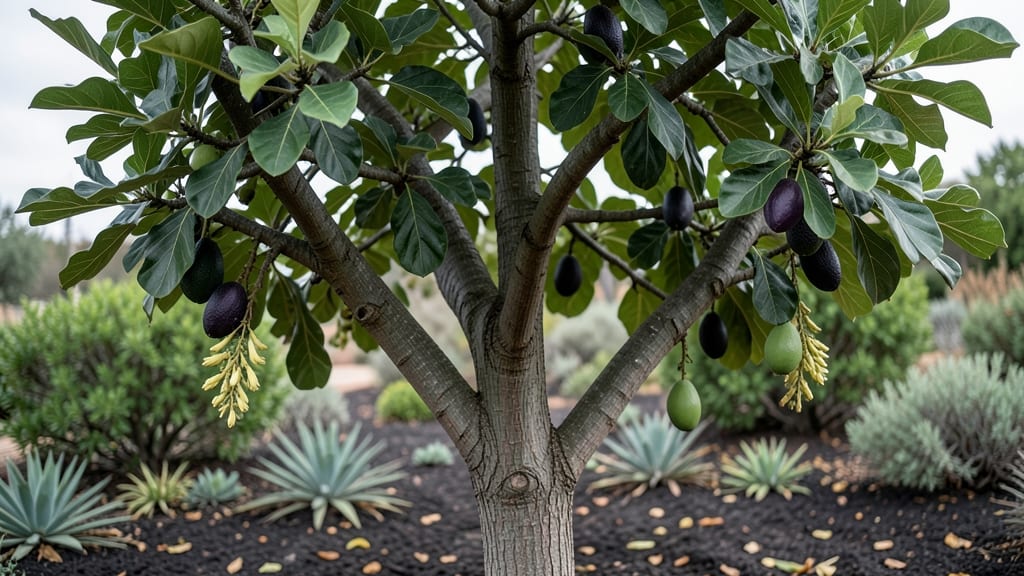
An avocado tree produces fruit between 3 and 13 years after planting, depending on whether it’s grown from seed or a grafted nursery tree.
If you’ve ever waited impatiently for your 🥑 tree to bear fruit, you’re not alone. The timeline can feel like an eternity, but understanding the stages helps you avoid frustration and optimize care for that first harvest.
Seed-grown trees typically take the longest—often 10–13 years—because they must mature fully before flowering. Grafted varieties, however, can produce fruit as early as 3–5 years, provided they’re planted in the right climate and given proper nutrients.
Below, I’ll break down the key growth stages, signs your tree is ready to fruit, and actionable tips to encourage an earlier harvest—so you can enjoy homegrown avocados sooner than you think.
Avocado tree fruit production timeline by variety and growth stage
Growing an avocado tree is a rewarding long-term project, but many gardeners wonder: when does an avocado tree produce fruit? The answer depends on the variety, growth stage, and environmental conditions.
While some varieties like Hass avocados can fruit as early as 3–5 years, others may take up to 13 years to bear fruit. Understanding these timelines helps you set realistic expectations and optimize care for a productive tree.
Avocado trees go through distinct growth phases before fruiting: seedling stage (0–2 years), juvenile stage (2–5 years), and mature stage (5+ years). Each phase requires specific care to ensure the tree reaches fruiting maturity.
For example, Fuerte avocados often fruit earlier than Hass avocados, but both need consistent sunlight, proper fertilization, and ideal temperatures to thrive.
Climate plays a critical role in fruit production. Avocados thrive in USDA Zones 9–11, where frost is rare and temperatures stay mild. In cooler regions, growers must use containers and bring trees indoors during winter.
Additionally, pollination is essential—avocado flowers require cross-pollination from another variety to produce fruit. Without this, your tree may flower but never bear fruit.
Here’s a quick breakdown of fruit production timelines for popular avocado varieties, including key milestones from seedling to harvest:
During the seedling stage (0–2 years), your avocado tree focuses on root and trunk development. This phase is critical—provide well-draining soil, full sun exposure, and balanced fertilization to build a strong foundation.
Avoid overwatering, as soggy soil can stunt growth. In this stage, you won’t see flowers or fruit, but proper care sets the stage for future productivity.
By years 2–5, your tree enters the juvenile stage, where it may produce its first flowers. However, these early blooms often don’t develop into fruit due to the tree’s immaturity.
This is normal! Focus on pruning to shape the canopy and encouraging strong branch growth. If you’re growing from seed, be patient—seed-grown trees can take longer to fruit than grafted varieties.
Once your tree reaches 5+ years, it enters the mature stage, where it’s capable of regular fruit production. At this point, you’ll likely see flowering every spring, followed by fruit development over 6–9 months.
To maximize yield, ensure your tree gets 6+ hours of sunlight daily, consistent watering, and regular fertilization with nitrogen, phosphorus, and potassium. Mulching around the base also helps retain moisture and nutrients.
One common question is: Do avocado trees fruit every year? The answer is yes—but production can vary. Young trees may produce fewer fruits in their first few years of fruiting, while mature trees can yield hundreds of avocados annually under ideal conditions.
Drought, frost, or nutrient deficiencies can reduce fruit set, so monitor your tree closely during critical growth periods.
If your avocado tree isn’t fruiting on schedule, don’t panic. Factors like poor pollination, inadequate sunlight, or nutrient imbalances can delay fruit production. For example, if your tree flowers but no fruit forms, try hand-pollinating with a small brush or planting a second variety nearby.
Adjusting care—like increasing potassium or improving drainage—can also encourage better fruiting in subsequent years.
Remember, patience is key when growing avocados. While the wait for the first harvest may seem long, each growth stage brings your tree closer to a bountiful crop.
With the right care, your avocado tree can become a productive part of your garden for decades—providing fresh fruit and shade for years to come.
Signs your avocado tree is ready to bear fruit (and how to speed up the process)
Your avocado tree might look healthy, but how do you know when it’s truly ready to produce fruit? Maturity signs like leaf size, trunk thickness, and flowering patterns are key indicators.
Most avocado trees take 3-13 years to bear fruit, but with the right care, you can encourage earlier fruiting. Let’s explore the telltale signs and actionable steps to speed up the process.
First, pay attention to your tree’s leaf size and shape. Mature avocado trees develop large, glossy leaves (4–8 inches long) that signal energy storage for fruit production. If your tree’s leaves are small or sparse, it’s still focusing on growth rather than fruiting.
Additionally, a trunk diameter of 4+ inches is a strong sign your tree has the energy reserves needed for fruit development.
- 🌿 Leaves 4–8 inches long with deep green color and glossy texture
- 🪴 Trunk diameter of 4+ inches at chest height (signs of stored energy)
- 🌸 Flowering in spring (small, yellow-green blooms—avocados are Type A or Type B flowers)
- 🌡️ Consistent temperatures above 60°F (avocados need warmth to fruit)
- ✂️ Pruned for shape (open canopy allows sunlight to reach inner branches)
One of the most exciting signs is flowering. Avocado trees produce two types of flowers: Type A (morning blooms) and Type B (afternoon blooms). For successful pollination, you’ll need both types on your tree—or a second tree nearby.
If you see clusters of small, yellow-green flowers in spring, your tree is ready to set fruit, though not every flower will develop into a full avocado.
To speed up fruiting, focus on three critical care areas: pruning, fertilization, and pollination assistance. Prune your tree in late winter to remove dead or crowded branches, which improves airflow and sunlight penetration.
Use a balanced fertilizer (10-10-10) every 6-8 weeks during growing seasons, and consider adding potassium-rich compost to support fruit development.
Pollination is often the missing link for homegrown avocados. Since avocado flowers are self-pollinating but inefficient, you can help by gently shaking the branches during bloom time or using a small brush to transfer pollen.
If you have space, planting a second avocado tree of a different variety (like Hass + Fuerte) ensures cross-pollination and better fruit set. Patience is key—even with ideal care, your first harvest may take 3-5 years.
Finally, monitor your tree’s fruit development. Young avocados may drop naturally, but if you see small fruits forming and staying on the tree, that’s a great sign! Thin out excess fruit to 4-6 per branch to ensure the remaining avocados grow larger and healthier.
With consistent care, your avocado tree will reward you with a bountiful harvest in summer or fall. 🥑