
Trees
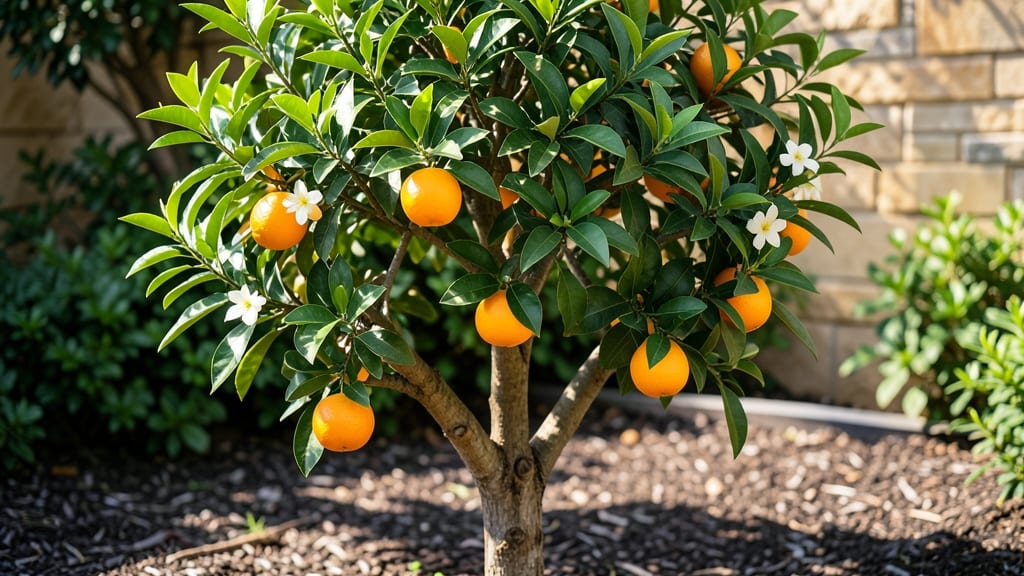
That orange berry tree identification mystery stealing your yard’s attention? 🌿 Identifying it correctly could save you from toxic surprises or invasive headaches.
I've spent years untangling these berry mysteries, and the leaf shape plus fruit texture are your best clues—Pyracantha's glossy leaves and waxy berries look different from Callicarpa's fuzzy foliage and lavender-hued fruit.
The key is matching three traits: leaf texture (smooth or fuzzy), berry color (true orange vs. reddish), and growth habit (sprawling vs. upright). My first-year mistake was assuming all orange berries were safe—until my dog got sick after chewing Pyracantha berries.
Most orange berries are ornamental, not edible, and some can be toxic to pets. You'll end up with a clear ID that tells you whether to prune, remove, or celebrate your new shrub.
The right call means healthier landscaping and peace of mind about what's growing near your kids and pets. Let's break down the visual clues that matter most. Start with the leaves—Pyracantha's are thick, dark green, and leathery, while Callicarpa's are soft and slightly fuzzy.
The berries themselves reveal the most: Pyracantha's stay bright orange all winter, Crataegus (hawthorn) turns deep red, and Callicarpa's remain purple. A simple magnifying glass helps spot these differences in your own yard. Common concerns include toxicity (Pyracantha berries are mildly toxic) and invasiveness (Callicarpa spreads aggressively).
My neighbor's Callicarpa took over a third of their yard before they noticed. The good news? Once you know what you're dealing with, management becomes straightforward—whether that means pruning, planting alternatives, or simply enjoying the birds that feast on the berries.
Next steps depend on your find: toxic varieties need removal, while others just need proper pruning. I recommend wearing gloves when handling Pyracantha's sharp thorns, and always supervising pets around unfamiliar plants. For edible lookalikes like serviceberry, the berries are a harvest-worthy treat—but they're rarely orange.
This guide gives you the confidence to ID that mystery shrub without guesswork. The visual clues are all you need to make smart decisions about your landscape. Let's get those berries properly identified!
Root Causes of Misidentification
Identifying an orange berry tree can be tricky because several factors blur the lines between species. Understanding the underlying causes helps you avoid mistakes and pinpoint the correct tree with confidence. Here’s why misidentification happens—and how to recognize the clues that matter.
Many trees produce orange or red berries that look nearly identical at first glance.
For example: - Hawthorn (Crataegus spp.) and Serviceberry (Amelanchier spp.) both bear small, round, orange-red fruits that resemble berries but are actually drupes (fleshy fruits with a single hard seed). - Elderberry (Sambucus spp.) and Virginia Creeper (Parthenocissus quinquefolia) can mimic berry trees when their leaves or fruit clusters resemble those of true berry producers. - Dogwood (Cornus spp.) berries often turn bright orange-red, but their four-petaled flowers and opposite leaf arrangement set them apart.
Why it happens: Evolutionary adaptations for seed dispersal (like bird-friendly colors) create convergent traits. Without examining leaf shape, bark texture, or flower structure, you might confuse them for a single species.
Berry trees don’t stay the same year-round.
Their leaves, bark, and fruit shift dramatically with seasons, making identification harder if you’re not observing them at the right time: - Fall foliage: Some trees (like Arbutus "Madrono" or Elderberry) turn fiery orange, masking their true identity. - Winter dormancy: Leaves fall off, leaving only bark patterns or bud shapes as clues—critical for distinguishing between hawthorn (sharp thorns) and serviceberry (smooth bark). - Fruit ripening: Unripe berries may be green or purple, while ripe ones turn orange or red.
For example, American Beautyberry (Callicarpa americana) starts purple but can look orange when overripe.
Why it happens: Plants prioritize survival over consistency. Seasonal shifts in pigments (like anthocyanins in fall) or fruit maturation confuse visual identifiers.
Some "orange berry trees" are actually cultivars (garden-bred varieties) or natural hybrids, blending traits from multiple species:
- Orange-fruited hawthorns (e.g., Crataegus coccinea) may cross with serviceberry, creating trees with mixed characteristics.
- Elderberry hybrids (like Sambucus × australis) can produce berries that vary in color and size, even on the same tree.
- Landscape plantings often use non-native varieties (e.g., Arbutus ‘Marina’) with exaggerated orange fruit, making them stand out from wild types.
Why it happens: Humans and nature both create hybrids to adapt to new environments. Without knowing the original parent species, you might mislabel a hybrid as a purebred tree.
Animals and pathogens can alter a tree’s appearance, hiding key identification features:
- Birds pecking berries: If most fruit is gone by the time you inspect the tree, you might miss the berry color or cluster shape that defines the species.
- Fungal infections: Some trees (like dogwood) develop anthracnose, causing leaves to curl or berries to drop prematurely, making them look diseased rather than just seasonal.
- Invasive vines: Virginia Creeper or Poison Ivy can grow over berry trees, obscuring leaves and bark with their own foliage.
Why it happens: Ecosystems are dynamic. A healthy tree in one season might look completely different after a bird raid or fungal outbreak, throwing off your identification.
Many guides simplify identification by focusing on one feature (e.g., "orange berries = hawthorn"), but this is risky because:
- Leaf shape varies: Some trees (like serviceberry) have elliptical leaves, while others (like hawthorn) have lobed or serrated edges.
- Berry size matters: Elderberry clusters are flat-topped, while serviceberry berries grow in small, round bunches.
- Bark texture differs: Young hawthorn has smooth bark, but mature trees develop deep fissures, unlike the scaly bark of Arbutus.
Why it happens: Simplifying identification leads to oversights. A single trait (like berry color) is rarely enough—cross-checking 3+ features (leaves, bark, flowers) is essential for accuracy.
A tree’s appearance changes based on climate, soil, and sunlight:
- Drought stress: Can cause leaves to yellow or drop early, making a serviceberry look like a struggling hawthorn.
- Rich soil: May produce larger berries (e.g., elderberry) than those grown in poor soil.
- Sun exposure: Shady trees (like dogwood) may have smaller, less vibrant berries than sun-exposed counterparts.
Why it happens: Plants adjust their growth to environmental pressures. A tree in Oregon might look different from the same species in Texas due to water availability or temperature.
To avoid misidentification:
- Observe across seasons (spring flowers, summer leaves, fall fruit, winter bark).
- Compare 3+ traits (berry color, leaf shape, bark texture, thorns).
- Check for hybrids if the tree doesn’t match standard descriptions.
- Rule out vines/invasives growing nearby.
- Use a key (like the USDA Plant Guide) for side-by-side comparisons.
By understanding why orange berry trees look alike, you’ll spot the subtle differences that lead to the right ID. 🌿✨
Quick Fixes for Common Tree ID Confusion
Now that you’ve pinpointed the why behind misidentifying your orange berry tree, let’s tackle the how—with clear, actionable steps to solve the most frequent stumbling blocks.
Whether you’re dealing with seasonal changes, similar-looking species, or pesky pests, these solutions will help you confidently ID your tree and keep it thriving.
If your tree’s leaves or fruit look drastically different from reference photos, it’s likely due to seasonal changes. Here’s how to adjust your approach:
🔍 Step 1: Time Your Observations
- Spring/Summer: Focus on leaf shape, arrangement, and new growth (e.g., serrated edges, hairy stems).
- Fall/Winter: Shift to fruit color, bark texture, and bud patterns—many trees hold onto dried berries or distinctive buds.
- Pro Tip: 🌡️ Take monthly notes in a simple notebook or phone app (like iNaturalist) to track changes.
A single photo in July won’t cut it if you’re checking in December!
📸 Step 2: Capture the Full Picture
Use a close-up + wide-shot combo for accuracy:
- Close-up: Zoom in on leaf veins, fruit stems, or bark ridges (e.g., smooth vs. furrowed).
- Wide-shot: Include branch structure (e.g., thorns, branching angles) to rule out lookalikes like hawthorn vs. serviceberry.
🌱 Prevention Tip:
- Bookmark trusted databases like the USDA Plants Database or Arbor Day Foundation’s Tree ID Guide for seasonal comparisons.
Some orange berries (e.g., serviceberry, chokeberry, or dogwood) can fool even experts. Narrow it down with these tricks:
🔎 Compare key traits
Use this quick-reference table to differentiate common culprits:
| Trait | Serviceberry | Chokeberry (Aronia) | Dogwood (Cornus) |
|---|---|---|---|
| Leaf Shape | Oval, serrated edges | Elliptical, smooth | Opposite, simple |
| Berry Color | Bright red/orange | Deep purple-black | Red, often in clusters |
| Bark | Smooth when young | Gray, peeling | Blocky, interlocked |
| Growth Habit | Small tree/shrub | Shrub | Tree with horizontal branches |
🧪 Step 3: The "Taste Test" (Safely!)
- Edible? Serviceberries are sweet; chokeberries are tart (use sparingly).
- ⚠️ Warning: Never eat unknown berries—some (like bittersweet nightshade) are toxic. When in doubt, skip the taste test and consult a local arborist.
💡 Prevention Tip:
- Join a local gardening group (Facebook, Reddit’s r/whatsthisplant) to cross-reference IDs with regional experts.
If your tree’s leaves/fruit are chewed, spotted, or deformed, pests or disease might be altering its true appearance. Act fast:
🐜 Step 4: Identify the Culprit
- Holes in leaves? Likely Japanese beetles or berry borers.
- Black sooty mold? Aphids or scale insects are sucking sap.
- Rust-colored spots? Fungal disease (e.g., anthracnose).
🚿 Step 5: Treat Accordingly
| Problem | Solution | Prevention |
|---|---|---|
| Chewed leaves | Handpick larvae (👨🍳 glove up!) or spray neem oil at dusk. | Plant repellent companions like mint. |
| Sap-sucking bugs | Blast off with water spray or use insecticidal soap. | Encourage ladybugs (natural predators). |
| Fungal spots | Prune infected branches (🔪 sterilize tools with rubbing alcohol) and apply copper fungicide. | Improve airflow with proper spacing. |
🌱 Prevention Tip:
- Mulch properly (2–3 inches of organic mulch, not touching the trunk) to deter pests and retain moisture.
Before declaring victory, run your tree through this foolproof checklist:
- Leaf shape & edges (lobed? serrated? smooth?)
- Berry color/texture (fleshy? dry? clustered?)
- Bark & branch pattern (smooth? ridged? thorny?)
- Growth size (shrub? small tree? sprawling?)
- Local climate match (e.g., serviceberries thrive in USDA Zones 3–7).
Still stuck? Snap a photo and upload it to r/whatsthisplant or use the PictureThis app for AI-assisted ID.
Remember: 🌟 Patience is key—some trees take years to reveal their true form. With these fixes, you’ll go from guessing to knowing in no time!
Frequently asked questions
Why do some orange berry trees have thorns while others don't?
Thorns are a defensive trait in many berry-producing trees like hawthorn (Crataegus) and Pyracantha (firethorn). These sharp spines deter animals from eating the fruit or damaging the plant. Non-thorny varieties like serviceberry (Amelanchier) or dogwood (Cornus) rely on other defenses like bitter-tasting berries or toxic compounds. The presence of thorns is a key ID clue!
Are orange berries on my tree safe for birds or pets?
Most orange berries from common ornamental trees are safe for birds but not for pets. Pyracantha berries are mildly toxic to dogs and cats, while Callicarpa (beautyberry) berries are safe for humans and wildlife. Always research your specific tree—when in doubt, keep pets away from unfamiliar berries until you confirm the ID.
How can I tell if my orange berry tree is invasive?
Watch for aggressive spread—Callicarpa (beautyberry) and Lonicera (honeysuckle) varieties are common invasives. Look for these signs: rapid growth beyond planted boundaries, dense thickets crowding out native plants, and berries that persist into winter (a seed dispersal strategy). Native alternatives like serviceberry stay contained.
What's the best time of year to identify orange berry trees?
Late fall through winter is ideal because many trees hold onto dried berries while leaves are gone. Focus on berry clusters, bark texture, and bud shapes during this period. Summer is also good for examining leaf arrangement and flower remnants, but spring blooms can be hard to distinguish between similar species.
Can I eat berries from an orange berry tree I can't identify?
Never eat unidentified berries—some lookalikes like bittersweet nightshade or jimsonweed are highly toxic. Even edible berries can cause stomach upset if underripe. When in doubt, consult a local arborist or use a plant ID app before consuming. The safest rule: When in doubt, throw it out!